Odessa Catacombs
Odessa, Ukraine
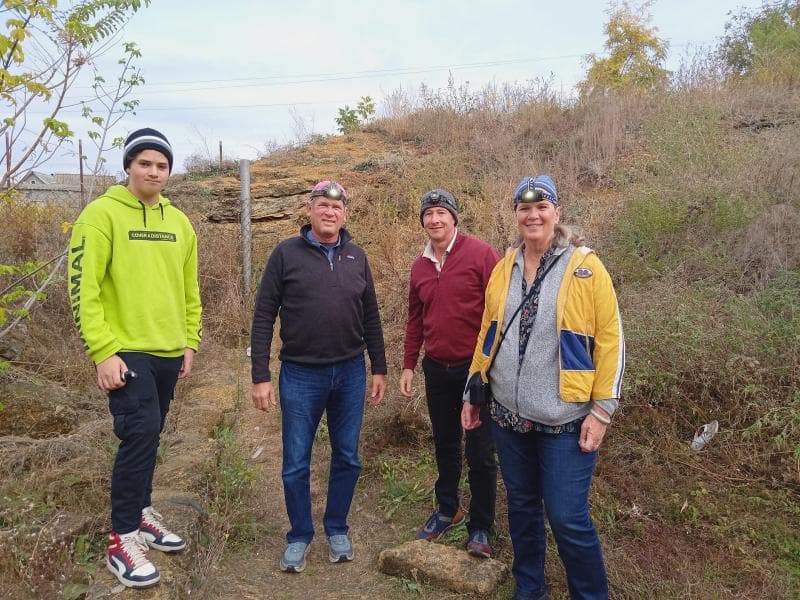
Explore the vast Odessa Catacombs in Odessa, Ukraine – one of the world's largest underground labyrinths, rich in history, wartime secrets, and unique geological formations.
Overview
Deep beneath the vibrant city of Odessa, Ukraine, lies an extensive and intricate labyrinth known as the Odessa Catacombs. This vast underground network is one of the world's largest, stretching for an estimated 2,500 to 3,000 kilometers, far surpassing the catacombs of Rome or Paris in length. Formed primarily from the limestone quarries that provided building materials for the city above, these subterranean passages are a geological wonder and a testament to centuries of human activity. They reach depths of up to 60 meters below sea level and are characterized by a constant temperature of 14 degrees Celsius and high humidity. Only a small fraction of this immense network is officially open to the public, primarily through the Museum of Partisan Glory in Nerubaiske, offering a glimpse into its captivating and often somber history.
History & Cultural Background
The origins of the Odessa Catacombs trace back to the early 19th century, coinciding with Odessa's vigorous construction boom. The city was largely built using coquina limestone, quarried from beneath its very foundations and surrounding areas. This intensive, often uncontrolled, mining created a complex and disordered web of tunnels. Over time, this man-made maze grew to encompass basements, bunkers, drainage tunnels, and even natural caves, forming a multi-layered underground world. After the Russian Revolution of 1917, large-scale stone mining within the central city was banned.
However, the catacombs' story doesn't end there. They quickly became a refuge and a hidden world for various groups. In the 19th century, smugglers used the dark passages to transport contraband goods, while outlaws found them to be a perfect hiding place. During World War II, the catacombs played a crucial and heroic role, serving as a base for Soviet partisans who launched surprise attacks against the occupying German and Romanian forces. These partisan groups established living quarters, recreation rooms, kitchens, and even a hospital underground. In the post-war years and during the Cold War, sections were adapted into bomb shelters.
What Makes It Special
What truly sets the Odessa Catacombs apart is their sheer scale and the incredible stories etched into their walls. As one of the longest underground labyrinths in the world, its vastness is almost unfathomable, with many sections remaining largely unexplored. The catacombs are not just a series of tunnels; they are a living archive, preserving traces of bygone eras. On the walls, one can still find drawings and inscriptions left by past inhabitants, from early miners to wartime partisans. The conditions within – complete darkness and profound silence – create a unique and immersive experience, transporting visitors to another time.
The catacombs are also of geological significance. They house natural karst caves, some of which are millions of years old. Scientists have discovered over 50,000 fossil bones, including those of mastodons and saber-toothed tigers, dating back 3.7 million years, offering insights into ancient life in the region.
Stories, Fun Facts & Local Details
The Odessa Catacombs are steeped in myths and legends. One urban legend speaks of abandoned mines being used and widened by smugglers to create the labyrinth and hide treasures. During World War II, the ingenuity of the partisans was remarkable; they not only survived underground for extended periods but also engaged in active resistance, leaving behind graffiti and posters calling for their property to be reclaimed. The 'Search' (Poisk) club, established in 1961, dedicated itself to exploring the history of the partisan movement within the catacombs.
A sobering detail is that many of the tunnels are still 'wild' and unmapped, making independent exploration extremely dangerous; tragically, people have become lost and never returned. This inherent danger adds to their mystique. The fact that the tunnels are cited as a reason why a subway system has never been built in Odessa further highlights their complex nature and pervasive presence beneath the city.
Visitor Perspective
For the curious traveler, visiting the Odessa Catacombs offers a deeply immersive historical experience. While most of the network is inaccessible, designated areas like the Museum of Partisan Glory in Nerubaiske provide safe, guided tours. Here, visitors can explore reconstructed partisan hideouts, complete with period-costume dummies and wartime artifacts, allowing them to visualize the harsh realities of underground life during conflict. Specialized tours cater to different interests, from comfortable historical walks to more extreme explorations of wilder sections for the adventurous. It is crucial to always visit with an experienced guide due to the labyrinthine nature and potential dangers of the unmapped sections. Warm clothing and comfortable shoes are highly recommended due to the consistent cool temperature and high humidity underground. The experience offers a unique perspective on Odessa's hidden past, revealing the resilience and resourcefulness of those who lived and fought within its subterranean depths.
Coordinates: 30.63056, 46.54667
View on Google Maps💬 How Travelers Describe This Place
Based on community votes
Beautiful
585Unique
546Photogenic
503Interesting
92Must See
56
Traveler Stories
Discover memorable experiences shared by travelers who have visited this place.
No traveler stories yet.
Be the first traveler to share what made this place memorable.
Things to see at Odessa Catacombs



Tour
By
Spot
Discover amazing places around the world. Your journey starts here.
Explore
© 2026 TourBySpot. All rights reserved.