Underground Tunnels
Odessa, Ukraine
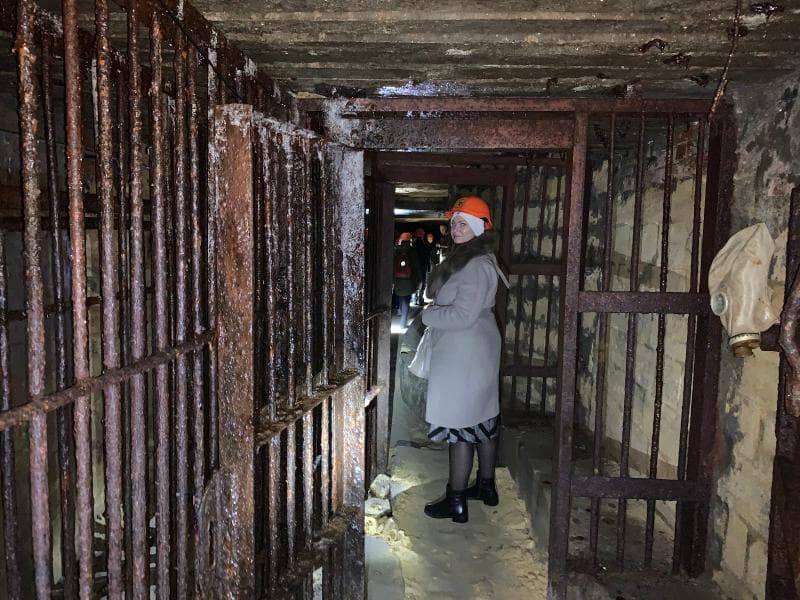
Explore the vast Underground Tunnels of the Odessa Catacombs in Odessa, Ukraine. Discover centuries of history, from ancient quarries to WWII partisan hideouts, in this immense subterranean labyrinth.
Overview
Beneath the vibrant city of Odessa, Ukraine, lies an immense and enigmatic network of underground tunnels known as the Odessa Catacombs. Recognized as one of the world's largest urban labyrinths, these subterranean passages stretch for an estimated 2,500 to 3,000 kilometers, far exceeding the famed catacombs of Paris or Rome. More than 90% of this vast system originated from limestone quarries, from which the shell rock, or coquina, was extracted to construct much of Odessa's historic buildings, earning the city the nickname 'The Yellow City'. Extending to depths of up to 60 meters below sea level, these catacombs are not a continuous system but rather a complex intertwining of abandoned mines, basements, bunkers, drainage tunnels, and even natural karst caves. Due to their intricate and largely unmapped nature, exploring the Odessa Catacombs independently is highly dangerous; guided tours are essential for safe and informative exploration.
History & Cultural Background
The history of the Odessa Catacombs began in the early 19th century, coinciding with Odessa's rapid development. The urgent demand for building materials led to extensive quarrying of coquina limestone from beneath the city and its surrounding areas. This uncontrolled stone mining created a sophisticated yet disordered system of underground tunnels. Over time, as sections were abandoned by the construction industry, these tunnels acquired new, often clandestine, purposes. In the 18th and 19th centuries, they became a crucial sanctuary for smugglers and criminals, offering ideal hideouts for contraband goods and illicit activities. During the Russian Revolution of 1917, they served as a base for Bolshevik typographies. However, the catacombs gained their most significant historical prominence during World War II. When Axis forces occupied Odessa in 1941, Soviet partisan groups transformed portions of the labyrinth into underground bases, living and fighting from these dark, narrow passages against the invaders for months and even years. These historical layers imbue the catacombs with a profound cultural significance, reflecting centuries of Odessa's hidden life.
What Makes It Special
The sheer scale of the Odessa Catacombs is undoubtedly its most distinguishing feature; it is considered the longest underground labyrinth in the world. Unlike the more structured catacombs elsewhere, the Odessa system is largely unmapped, with its full topography remaining a mystery even to experts, making every descent an encounter with the unknown. The tunnels vary in depth, extending on three levels and reaching up to 60 meters below the surface. The geology is unique, composed of coquina limestone formed from ancient marine life, which allows visitors to observe seashells embedded in the tunnel walls. This blend of extensive man-made quarries, natural karst caves, and later additions like Cold War-era bunkers creates a multi-layered historical and geological marvel. Inside, the temperature remains a constant, cool 14-15 degrees Celsius year-round, providing a consistent, albeit eerie, atmosphere regardless of the season. This consistent environment, coupled with the vastness, fosters a unique preservation of historical traces.
Stories, Fun Facts & Local Details
The Odessa Catacombs are steeped in a rich tapestry of stories and legends. Perhaps the most poignant are those from World War II, detailing the harsh realities faced by partisan fighters who lived underground for extended periods, enduring complete darkness, high humidity, and limited supplies while conducting resistance operations. The Museum of Partisan Glory in Nerubaiske stands as a testament to their bravery, displaying weapons, household items, and personal belongings. Urban legends speak of smugglers hiding treasures, including a 'golden ship,' and the dark tales of young girls abducted and held captive within the tunnels. Miners' inscriptions and drawings from the 19th century, depicting ships, locomotives, and daily life, can still be found on the walls, offering a direct glimpse into the lives of those who carved these passages. A chilling aspect is the ongoing danger of getting lost; unfortunately, there are stories, both legendary and factual, of individuals who ventured in without guides and never returned. The vastness of the catacombs is also cited as the primary reason why Odessa has never developed a subway system, as construction would be incredibly complex and hazardous.
Visitor Perspective
A journey into the Odessa Catacombs offers an unforgettable and immersive experience, transporting visitors into a hidden world beneath the city. Access to the safest and most historically significant parts of the catacombs is primarily through guided tours, often originating from sites like the Museum of Partisan Glory in the village of Nerubaiske, just outside Odessa. Visitors are strongly advised to go with an experienced guide, as the labyrinthine nature and lack of proper mapping make independent exploration perilous. During a typical tour, which might last a few hours, travelers can expect to explore recreated partisan bases, learn about daily life underground, and sometimes even see Cold War-era bunkers. The atmosphere is dark, cool, and damp, necessitating warm clothing and comfortable footwear, even in summer. The experience is both educational and deeply emotional, offering a profound appreciation for the resilience of those who sought refuge and fought for freedom within these silent, echoing passages. It is a journey into Odessa's true depths, revealing secrets and stories that shaped the city's identity.
Coordinates: 30.635005, 46.542713
View on Google Maps💬 How Travelers Describe This Place
Based on community votes
Photogenic
755Must See
728Beautiful
481Unique
183Interesting
28
Traveler Stories
Discover memorable experiences shared by travelers who have visited this place.
No traveler stories yet.
Be the first traveler to share what made this place memorable.

Tour
By
Spot
Discover amazing places around the world. Your journey starts here.
Explore
© 2026 TourBySpot. All rights reserved.