Nerubayske Museum Entrance
Odessa, Ukraine
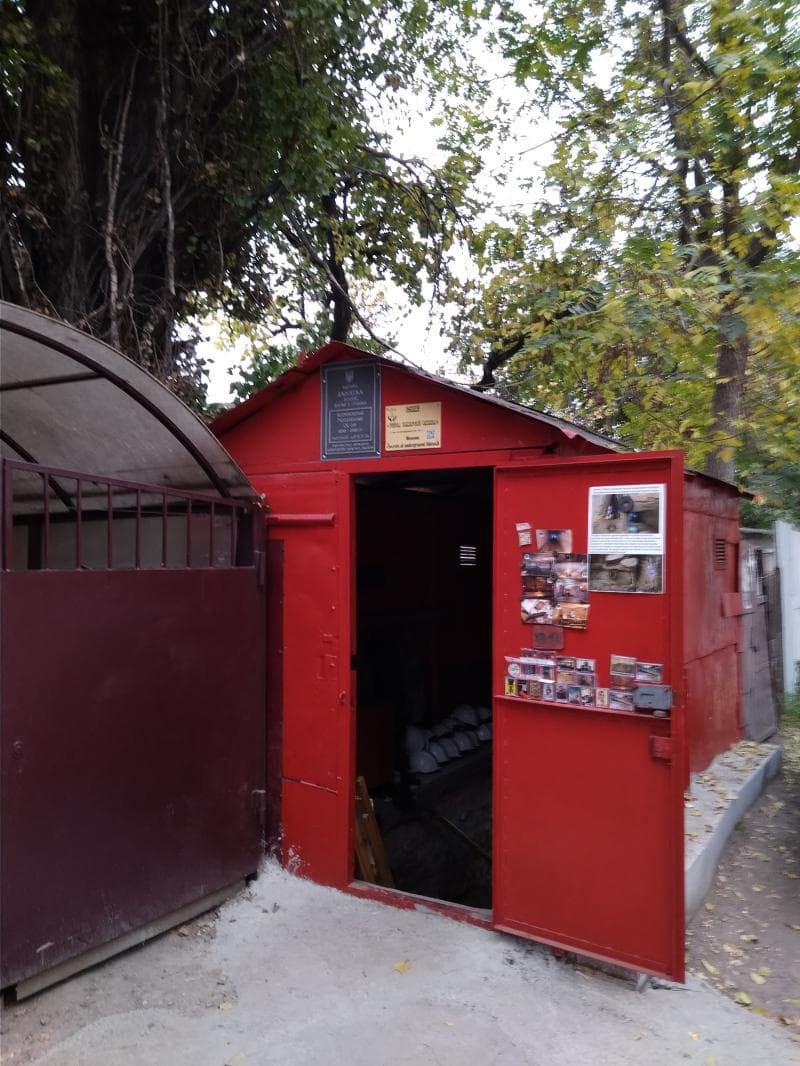
Explore the Nerubayske Museum Entrance at the Odessa Catacombs in Ukraine. Discover the WWII partisan hideout, its history, and unique underground exhibits.
Overview
Deep beneath the surface of Odessa, Ukraine, lies an extensive network of catacombs, a labyrinthine underground world. Within this vast subterranean expanse, specifically in the village of Nerubayske, visitors can discover the Nerubayske Museum Entrance, more formally known as the Museum of Partisan Glory. This unique site offers a profound glimpse into a pivotal period of history, serving as one of the world's few underground museums. It is situated approximately 12 to 14 meters (about 40-46 feet) below ground, preserving the authentic environment where Soviet partisans sought refuge and waged resistance during World War II.
The museum is a designated memorial complex, meticulously reconstructing the daily life and strategic operations of a significant partisan unit led by Volodymyr Molodtsov-Badaiev. It stands as a testament to the resilience and ingenuity of those who lived and fought in absolute darkness and constant dampness. Exploring this entrance and the connected underground sections provides a powerful, immersive experience into a hidden chapter of human endurance and defiance.
History & Cultural Background
The origins of the Odessa Catacombs, and by extension the section accessible via the Nerubayske Museum Entrance, trace back to the 19th century. During this period, the vibrant city of Odessa was constructed using coquina limestone, extensively quarried from beneath the city and its outskirts. These excavations created a colossal network of tunnels, stretching an estimated 2,500 to 2,800 kilometers (approximately 1,550-1,740 miles), making it one of the largest urban labyrinths globally.
Over time, these abandoned quarries found various uses. They became a hideout for smugglers and criminals, adding a layer of intrigue to Odessa's folklore. However, their most historically significant role emerged during World War II when they transformed into a sanctuary and operational base for Soviet partisans. The Molodtsov-Badaiev detachment, consisting of around 70 individuals, established its command post and living quarters deep within the catacombs beneath Nerubayske. Life underground was incredibly harsh, marked by constant darkness, 100% humidity, and scarce supplies. Partisans carved sleeping quarters from shell rock and improvised facilities like kitchens and hospitals. Despite these severe conditions, they conducted vital intelligence and sabotage missions against the occupying Romanian and German forces, becoming a formidable, elusive enemy.
What Makes It Special
The Nerubayske Museum Entrance is special because it offers access to one of the very few underground museums in the world. Unlike other parts of the sprawling Odessa Catacombs, this section has been carefully preserved and transformed into an immersive historical exhibit. Visitors are not merely walking through tunnels; they are stepping into a meticulously reconstructed partisan camp. Here, you can witness authentic representations of headquarters, communication centers, living quarters with bunk beds, field hospitals, and even makeshift schools and 'Lenin Rooms' where efforts were made to maintain a semblance of normal life.
The museum highlights the strategic importance of the catacombs, showcasing how their vast and complex nature, with numerous exits, thwarted attempts by occupying forces to eliminate the partisan detachments. The palpable sense of history, combined with the eerie, cool environment of the underground, creates a truly unforgettable experience. It's a place where the silent stone walls whisper stories of extraordinary courage and sacrifice, inviting visitors to reflect on the human spirit's capacity for resistance.
Stories, Fun Facts & Local Details
The Odessa Catacombs are steeped in countless stories, many of which resonate within the Nerubayske section. Beyond the heroic tales of partisans, the catacombs have always been a place of mystery and legend. One poignant local detail is the story of 'Liubka's Passage,' a section named after a young woman, Liubov, who became tragically lost in the labyrinth in the 1950s and was never found alive. Her remains were discovered a decade later. This story serves as a somber reminder of the catacombs' perilous nature for the uninitiated.
Before the partisans, the tunnels were reputedly used by smugglers to hide contraband goods. Even famous crime boss Mishka Yaponchik is rumored to have stashed his loot in certain areas. During the war, the Romanians, frustrated by the partisans' elusiveness, even attempted to force them out by pouring gas into the catacombs, a tactic that ultimately failed due to the sheer scale of the tunnels. The cold, dark environment, with a constant temperature of around 14°C (57°F) and 90% humidity, made daily existence a constant struggle, yet the partisans managed to maintain communications and plan daring operations.
Visitor Perspective
Visiting the Nerubayske Museum Entrance offers a profound journey into history, but it requires some preparation. The experience is an immersive walk through a real underground environment, typically lasting 2-3 hours with a professional guide. Due to the consistent cool temperature and high humidity, it is strongly recommended to wear warm clothing and comfortable shoes, regardless of the season. Flashlights are often provided or recommended, as the catacombs are naturally dark.
The museum is generally accessible, though individuals with severe claustrophobia or nyctophobia (fear of darkness) might find the confined, lightless spaces challenging. Access points and stairways are not adapted for persons with disabilities. It is crucial to visit with an experienced guide, as the vastness and complexity of the catacombs make it extremely easy to get disoriented and lost. The journey to Nerubayske from central Odessa usually takes about 20-30 minutes by car or public transport, making it an ideal half-day excursion to connect with a powerful piece of Ukrainian history.
Coordinates: 30.626111, 46.537667
View on Google Maps💬 How Travelers Describe This Place
Based on community votes
Photogenic
692Beautiful
674Must See
503Interesting
261Unique
49
Traveler Stories
Discover memorable experiences shared by travelers who have visited this place.
No traveler stories yet.
Be the first traveler to share what made this place memorable.

Tour
By
Spot
Discover amazing places around the world. Your journey starts here.
Explore
© 2026 TourBySpot. All rights reserved.