Partisan Museum
Odessa, Ukraine
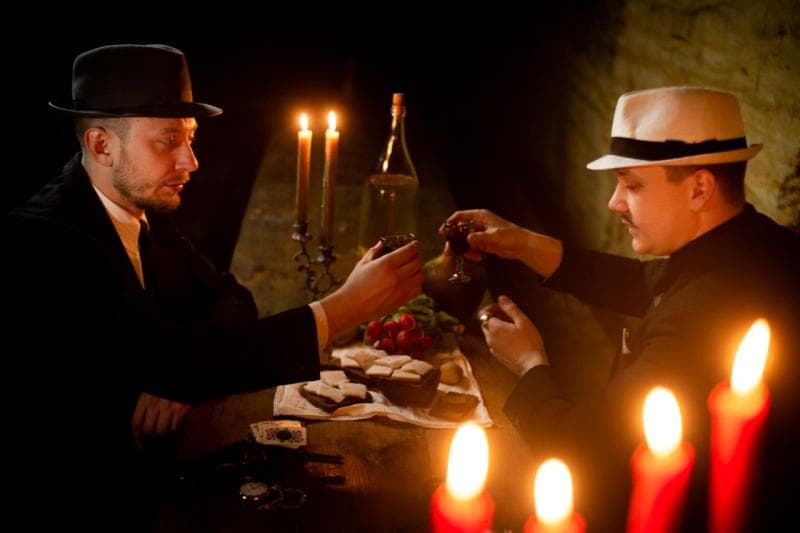
Explore the Partisan Museum within Odesa Catacombs, Ukraine, a unique underground tribute to WWII resistance fighters.
Overview
Deep beneath the bustling streets of Odesa, Ukraine, lies a sprawling, intricate labyrinth known as the Odesa Catacombs. Within this vast subterranean network, visitors can explore a truly unique historical site: the Partisan Museum, also sometimes referred to as the Museum of Partisan Glory. Situated in the village of Nerubaiske, just outside Odesa, this museum stands as a powerful testament to the resilience and courage of Soviet partisans during World War II.
The Odesa Catacombs themselves are one of the world's largest urban labyrinths, stretching an estimated 2,500 to 3,000 kilometers. While much of this underground world remains wild and unexplored, a specific, accessible section is dedicated to preserving the memory of those who fought for freedom from below. The Partisan Museum offers a tangible, immersive experience, transporting visitors into the harsh realities faced by resistance fighters who turned these dark tunnels into their hidden stronghold.
History & Cultural Background
The origins of the Odesa Catacombs trace back to the 19th century when extensive limestone quarrying began to provide building materials for the rapidly developing city of Odesa. Miners extracted coquina, a soft yellow stone, creating an expansive network of passages. Once abandoned, these former mines took on new life, becoming hideouts for smugglers and criminals.
However, it was during World War II, specifically the period between 1941 and 1944 when Odesa was under Axis occupation by Romanian and German forces, that the catacombs gained their profound historical significance. Soviet partisan groups, refusing to surrender, transformed these underground passages into their bases of operation. They established camps, carried out reconnaissance, and launched sabotage missions against the occupying forces. The Museum of Partisan Glory, established in 1969, specifically commemorates the partisan movement in the Odesa region, highlighting the heroic efforts of detachments like the one commanded by Vladimir Molodtsov-Badayev (Volodymyr Molodtsov-Badaiev).
What Makes It Special
The Partisan Museum distinguishes itself as one of the very few underground museums globally, offering an unparalleled glimpse into a critical chapter of history. Its location 12 to 14 meters beneath the earth, within the authentic catacombs, provides an incredibly immersive and atmospheric setting. The museum complex comprises both an above-ground exhibition, featuring archival documents, photographs, weaponry, and personal belongings, and a crucial underground section.
What truly sets it apart is the painstakingly recreated partisan camp within the catacombs. Here, visitors can walk through spaces that simulate the daily lives of the resistance fighters. These reconstructions, based on historical records and eyewitness accounts, include a headquarters, a communications center, living quarters, a field hospital, a makeshift school, workshops, and weapons depots.
Stories, Fun Facts & Local Details
Life for the partisans in the catacombs was extraordinarily challenging, marked by constant dampness, darkness, and the ever-present threat of discovery. Yet, they strove to maintain a semblance of normal life, with activities like listening to the radio, cooking, playing chess, and even conducting lessons in makeshift schools.
One of the most poignant stories recounted is that of the Molodtsov-Badayev detachment. This group of approximately 70 individuals, including 64 men and 5 women, conducted active sabotage and intelligence work for six months. Tragically, they were eventually walled up by Romanian invaders, and almost all perished. While their original camp was flooded, enthusiasts meticulously researched documents and interviewed eyewitnesses to recreate its appearance for the museum's displays.
Visitors can still see original graffiti and artwork left by the partisans on the catacomb walls, offering direct, raw insights into their struggles and hopes. The museum's significance was even recognized internationally; in 1980, it was named the most visited underground facility in the world by UNESCO. A fascinating piece of history is the thank you letter from Cuban leader Fidel Castro, carefully preserved among the museum's exhibits.
Visitor Perspective
A journey into the Partisan Museum is more than just a historical tour; it's an immersive dive into an underground world. The profound silence, the cool, damp air, and the palpable sense of history create a uniquely contemplative atmosphere. While the museum is generally accessible, including for baby carriages and wheelchairs in parts, visitors should be prepared for a dim and sometimes claustrophobic environment, although the main sections are well-lit.
Guided tours are highly recommended, as expert guides breathe life into the exhibits, sharing countless stories and details that bring the partisans' struggles and triumphs into sharp focus. This experience provides a powerful appreciation for the immense difficulties faced by those who resisted from beneath the earth, making it a truly unforgettable and educational excursion for anyone interested in World War II history and human resilience.
Coordinates: 30.627682, 46.537797
View on Google Maps💬 How Travelers Describe This Place
Based on community votes
Unique
958Must See
743Photogenic
728Beautiful
719Interesting
382
Traveler Stories
Discover memorable experiences shared by travelers who have visited this place.
No traveler stories yet.
Be the first traveler to share what made this place memorable.

Tour
By
Spot
Discover amazing places around the world. Your journey starts here.
Explore
© 2026 TourBySpot. All rights reserved.