Historical Exhibits
Odessa, Ukraine
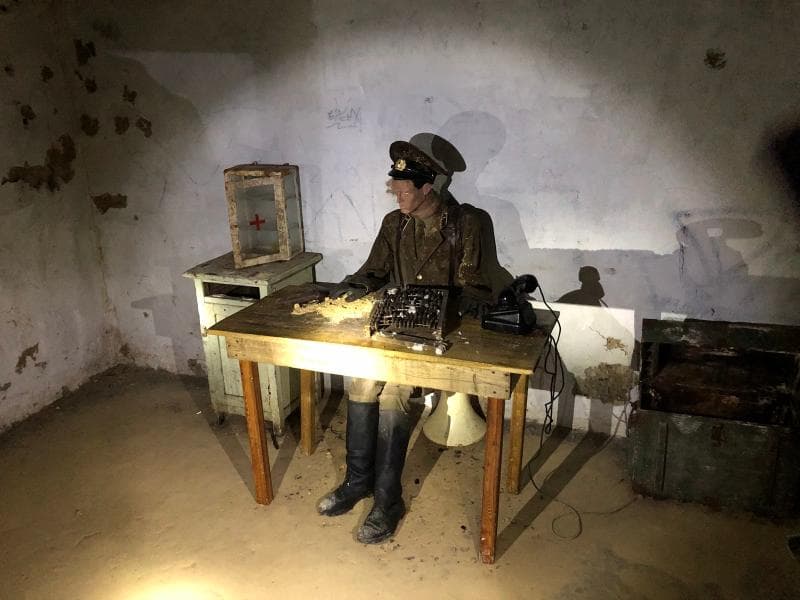
Explore the Historical Exhibits within the Odessa Catacombs, Odessa, Ukraine. Delve into WWII partisan hideouts, smugglers' tunnels, and Cold War bunkers.
Overview
Deep beneath the vibrant city of Odessa, Ukraine, lies an extraordinary labyrinth of tunnels known as the Odessa Catacombs. Far from being mere subterranean passages, these catacombs house a series of compelling historical exhibits, transforming them into living museums of the city's complex past. These exhibits primarily focus on the crucial role the catacombs played during various historical periods, most notably as a clandestine stronghold for partisan fighters during World War II. Exploring these underground spaces offers a unique and immersive journey through centuries of Odessa's hidden history, revealing tales of resilience, ingenuity, and survival.
History & Cultural Background
The Odessa Catacombs originated in the 19th century, not as tombs, but as limestone quarries. The soft yet durable coquina limestone, used extensively for constructing the city above, led to the excavation of an immense network of tunnels, stretching for an estimated 2,500 to 3,000 kilometers, making it one of the largest urban labyrinths in the world. Over time, this sprawling underground world became a refuge and a hideout for various groups. Smugglers utilized its intricate passages in the 18th and 19th centuries to evade authorities. Revolutionaries and Red Army soldiers later found sanctuary within its depths. However, it was during World War II that the catacombs etched their most profound historical mark, becoming a vital base for Soviet partisan units resisting the Axis occupation. These fighters established entire underground communities, complete with living quarters, schools, and medical facilities, transforming the cold, dark tunnels into a symbol of fierce resistance.
What Makes It Special
What sets the historical exhibits within the Odessa Catacombs apart is their sheer authenticity and immersive nature. Unlike conventional museums, these exhibits are integrated directly into the historical environment where the events unfolded. Visitors don't just see artifacts; they walk through reconstructed partisan camps, command posts, and even underground classrooms and field hospitals. The Museum of Partisan Glory in Nerubaiske, for instance, meticulously recreates the daily life of the resistance fighters, showcasing personal belongings, weaponry, and strategic documents. Another notable area, the 'Secrets of Underground Odessa' museum, delves into a broader spectrum of the catacombs' history, including the era of smuggling, Cold War bunkers, and even accounts of criminal activities. This direct engagement with the past, deep underground, creates a powerfully resonant experience that a traditional exhibition cannot replicate.
Stories, Fun Facts & Local Details
Life for the partisans in the catacombs was extraordinarily challenging. They endured absolute darkness, constant dampness, and the ever-present threat of discovery. Yet, they organized a functioning society, even establishing underground schools for children and providing medical care in makeshift hospitals. The famous Molodtsov-Badaiev detachment, a group of 70 individuals, including women, conducted daring sabotage and reconnaissance missions against the occupiers from their subterranean base. Tragically, many of them perished, often by being sealed into the tunnels by the invaders. Beyond the partisan narrative, the catacombs hold other intriguing stories, such as urban legends of hidden smuggler's treasures or the existence of Cold War-era nuclear fallout shelters, some of which are now part of the exhibits. The constant temperature of 14-15°C year-round meant survival, but also required incredible fortitude from those who lived there for extended periods.
Visitor Perspective
A visit to the historical exhibits of the Odessa Catacombs is an adventure that demands preparation and an open mind. Due to the vast and complex nature of the tunnels, guided tours are essential for safety and for truly understanding the historical context. Visitors are advised to wear warm clothing, even in summer, as the underground temperature remains cool, and comfortable shoes are a must for navigating the uneven terrain. Many tours provide helmets and flashlights, enhancing the sense of exploration. Descending into these depths, you'll encounter not only preserved relics but also the raw, unadorned walls bearing inscriptions and drawings left by those who lived there. The experience offers a profound sense of connection to human endurance and historical struggle, leaving a lasting impression of the extraordinary resilience of the people of Odessa.
Coordinates: 30.7326, 46.4775
View on Google Maps💬 How Travelers Describe This Place
Based on community votes
Interesting
931Beautiful
692Unique
491Photogenic
266Must See
261
Traveler Stories
Discover memorable experiences shared by travelers who have visited this place.
No traveler stories yet.
Be the first traveler to share what made this place memorable.

Tour
By
Spot
Discover amazing places around the world. Your journey starts here.
Explore
© 2026 TourBySpot. All rights reserved.