Guided Exploration Routes
Odessa, Ukraine
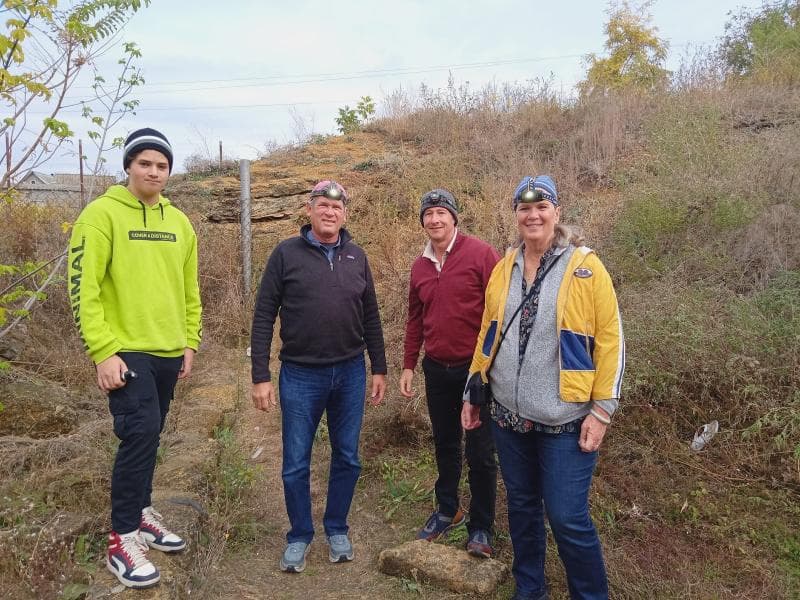
Explore Odessa Catacombs' Guided Exploration Routes in Odessa, Ukraine. Discover vast underground labyrinths, partisan history, and unique geology.
Overview
Deep beneath the bustling streets of Odessa, Ukraine, lies an extraordinary subterranean world: the Odessa Catacombs. This immense network of tunnels, stretching an estimated 2,500 to 3,000 kilometers, is recognized as one of the world's longest urban labyrinths. Far more than just simple tunnels, these catacombs are a historical tapestry woven from centuries of human activity, geology, and enduring mystery. They originated primarily as limestone quarries, providing the building material for the city above. Today, 'Guided Exploration Routes' offer a unique opportunity to delve into this hidden history, revealing the layers of life, struggle, and survival that unfolded within its dark passages. While much of the labyrinth remains unmapped and dangerous, specially curated routes ensure a safe yet profoundly immersive journey into Odessa's underground heritage.
History & Cultural Background
The story of the Odessa Catacombs began in the early 19th century with the vigorous construction of the city. Limestone, known locally as coquina, was quarried extensively from beneath the surface, leaving behind an intricate web of underground passages. This uncontrolled mining activity inadvertently created the vast, disordered labyrinth we see today. As the quarries were abandoned, the catacombs took on new, clandestine roles. In the 18th and 19th centuries, they became a refuge and highway for smugglers, bandits, and even slave traders, providing secret routes and hideouts beneath the city. During the Russian Revolution of 1917, they housed Bolshevik printing presses, becoming a hidden bastion of dissent. However, their most renowned historical chapter unfolded during World War II, when the catacombs transformed into a vital stronghold for Soviet partisans. These brave resistance fighters established underground camps, complete with living quarters, kitchens, and command centers, from which they launched operations against occupying forces. Their ingenuity and resilience turned the cold, dark tunnels into a symbol of defiance. In the post-war years and during the Cold War, sections of the catacombs were even repurposed as anti-nuclear bunkers, further cementing their role in the city's complex history.
What Makes It Special
What truly sets the Odessa Catacombs apart is their unparalleled scale and multifaceted history. Outstretching even the famed catacombs of Rome and Paris in length, their sheer immensity is staggering. Unlike many other catacomb systems that primarily served as burial grounds, Odessa's labyrinth is a product of resource extraction, giving it a unique geological character. The multi-layered structure, descending to depths of 60 meters below sea level, reveals how miners followed limestone veins, creating a complex, three-dimensional maze. Beyond the man-made tunnels, the system also incorporates ancient natural karst caves, some of which are millions of years old and have yielded significant fossil discoveries, including remains of mastodons and saber-tooth tigers. This blend of human intervention and natural formation, coupled with its profound historical significance as a haven for various groups throughout the centuries, makes the Odessa Catacombs a truly distinct and compelling destination. It is also often cited as the reason why Odessa lacks a subway system, as the unstable and expansive underground network makes construction exceptionally challenging.
Stories, Fun Facts & Local Details
The darkness of the Odessa Catacombs is fertile ground for stories and legends. One enduring tale, often recounted to curious visitors, warns of the perils of venturing in alone: every year, at least one person reportedly gets lost in the unmapped sections and never returns. This emphasizes the critical importance of guided exploration. Within the accessible routes, visitors can encounter fascinating remnants of past inhabitants. On the rough-hewn walls, drawings and inscriptions left by miners and partisans offer silent narratives of their daily lives and struggles. Imagine the clandestine operations of the Bolshevik printing press, secretly churning out revolutionary leaflets, or the hushed conversations in a partisan dugout during WWII. Guides often highlight reconstructed partisan camps, complete with makeshift beds and even cooking areas, bringing the past vividly to life. These spaces vividly illustrate the harsh conditions and the incredible resilience required to survive for extended periods underground. The constant temperature inside, hovering around 14–15°C (57–59°F) year-round with high humidity, serves as a stark reminder of the unique environment that shaped so many historical events within this subterranean world.
Visitor Perspective
Embarking on a guided exploration of the Odessa Catacombs is an unforgettable adventure into the city's soul. Upon entering, visitors are immediately struck by the cool, damp air and the profound silence that replaces the city's sounds. Expert guides lead groups through safe, illuminated sections, providing lanterns and sometimes helmets to enhance the authentic experience. Tours typically vary from museum-style visits, such as the 'Secrets of Underground Odessa' or the Museum of Partisan Glory in Nerubayske, to more adventurous 'wild' catacomb explorations for those seeking a deeper dive into the unadapted tunnels. These curated routes delve into diverse themes, from ancient mining techniques to the harrowing tales of wartime resistance, smuggling, and even Cold War-era bunkers. Visitors might see reconstructed gangster hideouts, underground lakes, or original artifacts from various periods. Comfortable, warm clothing and sturdy shoes are essential, regardless of the season, to navigate the cool, sometimes uneven, terrain. The experience is designed to be educational and emotionally resonant, allowing travelers to connect deeply with the human stories etched into the very fabric of this monumental underground city. It is a journey that offers not just historical facts, but a visceral understanding of Odessa's hidden depths.
Coordinates: 30.63056, 46.54667
View on Google Maps💬 How Travelers Describe This Place
Based on community votes
Beautiful
728Unique
481Must See
382Interesting
183Photogenic
28
Traveler Stories
Discover memorable experiences shared by travelers who have visited this place.
No traveler stories yet.
Be the first traveler to share what made this place memorable.

Tour
By
Spot
Discover amazing places around the world. Your journey starts here.
Explore
© 2026 TourBySpot. All rights reserved.