WWII Shelters
Odessa, Ukraine
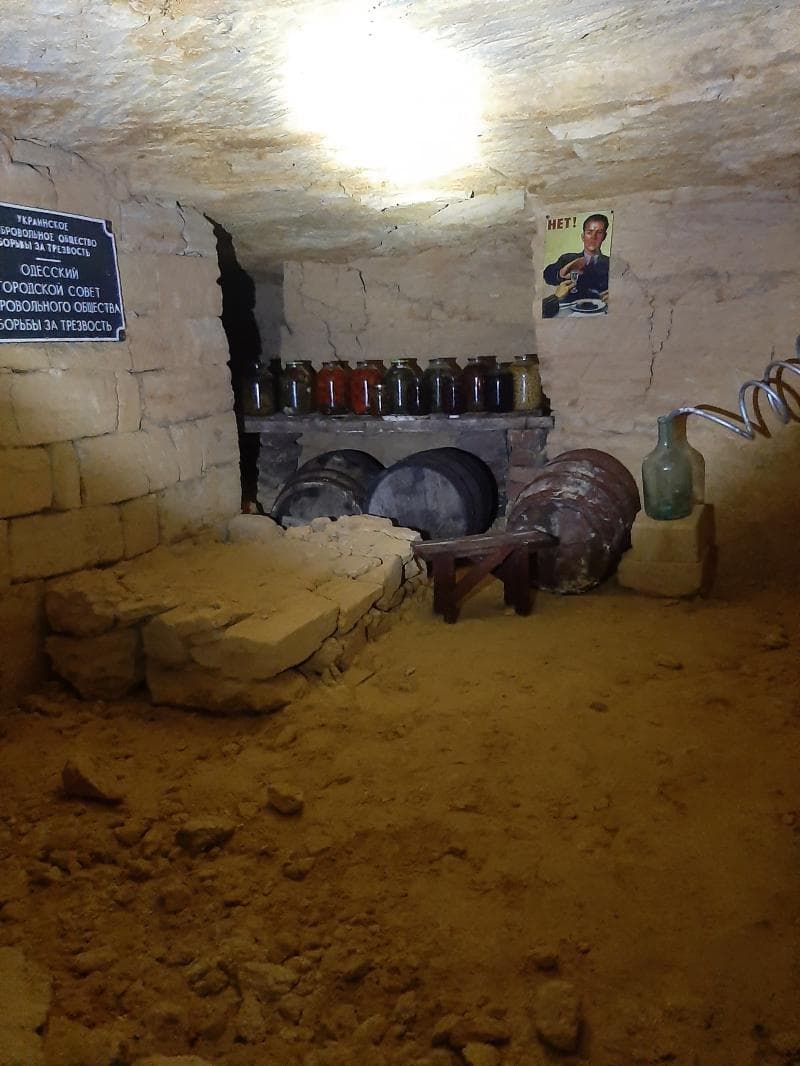
Explore the WWII Shelters within the Odessa Catacombs in Odessa, Ukraine, a vast underground labyrinth offering a poignant glimpse into wartime history and human resilience.
Overview
Deep beneath the vibrant city of Odessa, Ukraine, lies an immense, enigmatic labyrinth known as the Odessa Catacombs. Stretching for an astonishing 2,500 kilometers, this subterranean world is one of the largest urban labyrinths globally, dwarfing even the famous catacombs of Paris and Rome. Predominantly formed from 19th-century limestone quarries, the catacombs are a complex network of tunnels on three levels, reaching depths of up to 60 meters below sea level. While their origins are rooted in the city's construction, certain sections served a critical role as WWII Shelters, offering refuge and a base for resistance during times of war.
Today, these WWII shelters within the Odessa Catacombs stand as a poignant testament to human resilience and ingenuity. They offer a unique, chilling glimpse into a pivotal period of history, preserving the stories and sacrifices of those who sought protection and fought for freedom in the suffocating darkness below. Visitors can explore curated sections, like the Museum of Partisan Glory, which illuminate the harrowing existence and strategic importance of these underground havens.
History & Cultural Background
The vast Odessa Catacombs primarily originated from the intense limestone mining operations of the 19th century. As the city flourished and required construction materials, workers ceaselessly carved out enormous blocks of coquina, a soft, shelly limestone, creating an intricate network of passages. Once abandoned, these extensive tunnels quickly became a hidden underworld used by smugglers, revolutionaries, and various clandestine groups.
However, it was during World War II, specifically from 1941 to 1944 when Odessa was occupied by Romanian and Nazi forces, that the catacombs took on their most profound historical significance. They transformed into a vital refuge and strategic base for Soviet partisans and desperate civilians. These resistance fighters and refugees carved out a life underground, establishing makeshift camps within the catacombs to continue their struggle against the occupiers.
What Makes It Special
The WWII shelters within the Odessa Catacombs are special not just for their sheer scale, but for the profound human story they encapsulate. Unlike typical museums, these are original sites where history unfolded in real-time. The catacombs provided an unparalleled tactical advantage for partisans, allowing them to conduct reconnaissance, launch sabotage operations, and maintain a semblance of organized resistance against a vastly superior enemy.
What truly sets these shelters apart is the preserved evidence of life underground. Some sections offer a tangible connection to the past, with recreated partisan camps featuring living quarters, kitchens, schools, and even hospitals. The walls themselves bear witness, with original inscriptions, drawings, and tally marks left by those who endured the darkness. This direct, immersive encounter with a unique chapter of wartime history is what makes the WWII shelters an extraordinarily powerful and special destination.
Stories, Fun Facts & Local Details
Life in the WWII shelters of the Odessa Catacombs was a stark testament to human endurance. Partisans lived for months, sometimes years, cut off from the outside world, creating self-sufficient communities deep beneath the earth. They cooked meals, listened to hidden radios, played chess, and even continued rudimentary schooling, all while evading detection.
One harrowing detail is the Romanians' attempts to flush out the partisans by throwing poison gas canisters into the tunnels and sealing off exits, trapping many inside. Despite these brutal tactics, the resilience of the underground fighters persevered. Visitors can still find bullet casings and military equipment from this period, offering a grim reminder of the fierce struggle. There are also stories of Jewish and other refugees who hid in the catacombs, sometimes walling off small rooms for entire families to escape persecution. The catacombs' immense size has also spawned urban legends of people getting hopelessly lost within its unmapped sections.
Visitor Perspective
Exploring the WWII shelters in the Odessa Catacombs is an immersive and often moving experience. Due to the vastness and complexity of the labyrinth, it is crucial to visit with an experienced guide, as many parts remain unmapped and can be disorienting. Tours typically focus on accessible, historical sections, such as the Museum of Partisan Glory in Nerubaiske or the 'Secrets of Underground Odessa' museum.
Visitors should be prepared for the constant underground climate: the temperature remains a cool 14-15°C (57-59°F) year-round, with high humidity. Warm clothing and comfortable, sturdy shoes are highly recommended. Helmets and flashlights are usually provided by tour operators. This journey into Odessa's subterranean past offers a profound historical insight, allowing travelers to walk in the footsteps of those who sought refuge and fought for survival in this incredible underground world.
Coordinates: 30.7326, 46.4775
View on Google Maps💬 How Travelers Describe This Place
Based on community votes
Beautiful
585Unique
546Photogenic
503Interesting
92Must See
56
Traveler Stories
Discover memorable experiences shared by travelers who have visited this place.
No traveler stories yet.
Be the first traveler to share what made this place memorable.

Tour
By
Spot
Discover amazing places around the world. Your journey starts here.
Explore
© 2026 TourBySpot. All rights reserved.