Limestone Galleries
Odessa, Ukraine
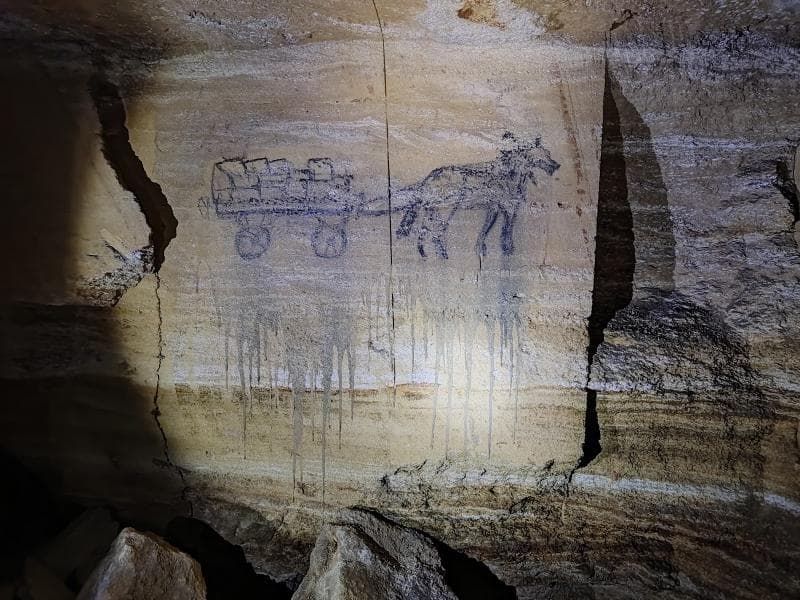
Explore Odessa's Limestone Galleries, part of the vast Catacombs in Ukraine. Discover their history, partisan hideouts, and unique geological secrets.
Overview
Deep beneath the vibrant city of Odessa, Ukraine, lies an astonishing subterranean world known as the Odessa Catacombs. These extensive networks of tunnels, primarily referred to by locals as 'Limestone Galleries,' constitute one of the largest urban labyrinths globally. Stretching for an estimated 2,500 to 3,000 kilometers, these underground passages reach depths of up to 60 meters below sea level. While the term 'catacombs' often implies burial sites, the Odessa system is predominantly a result of historical limestone quarrying, an activity that shaped the very city above ground.
Composed largely of coquina, a type of limestone rich in marine fossils, these galleries also incorporate natural karst caves, drainage tunnels, and even former bunkers, forming a complex and multifaceted underground environment. Only a small, managed section of this vast network is accessible to the public, offering a glimpse into a history intertwined with the city's development and its tumultuous past.
History & Cultural Background
The genesis of Odessa's Limestone Galleries dates back to the 18th and 19th centuries, following the city's foundation. With a pressing need for building materials to construct the rapidly expanding city, intensive quarrying of the readily available coquina limestone began. This mining was often uncontrolled and chaotic, leading to a sprawling, disordered network of tunnels that spread beneath Odessa and its surrounding areas.
Throughout history, these subterranean passages took on various roles far beyond their original purpose. In the 18th and 19th centuries, they became clandestine pathways and hideouts for smugglers, revolutionaries, and even criminals, providing a shadowy underworld for illicit activities. However, the most profound chapter in their history unfolded during World War II when the catacombs transformed into a crucial refuge and operational base for Soviet partisans resisting the Axis occupation. They served as living quarters, hospitals, and command centers, a testament to human resilience under extreme conditions.
What Makes It Special
The sheer scale of the Odessa Catacombs is unparalleled, making them the world's longest known urban labyrinth. Unlike many other catacomb systems that are primarily natural or used for burials, Odessa's galleries are predominantly man-made, a direct consequence of quarrying that supplied the very stones for the city's iconic architecture. Geologically, the coquina limestone, formed from ancient marine sediments around six million years ago, reveals a rich paleontological history. Scientists have discovered over 50,000 fossil bones of prehistoric animals, including mastodons and saber-tooth tigers, some dating back 3.7 million years, within these depths. This unique blend of extensive human excavation and ancient natural formations offers a fascinating journey through both human endeavor and geological time.
Stories, Fun Facts & Local Details
The Limestone Galleries are steeped in local lore and fascinating anecdotes. Many stories circulate about individuals getting lost in the unmapped sections, some of which have become urban legends, like the tale of a girl named Masha. The challenging life of the partisans during WWII is vividly depicted within the catacombs; recreated camps showcase their living conditions, including makeshift kitchens, schools, and hospitals, illustrating their determination to maintain some semblance of normal life underground. Old inscriptions and drawings left by miners, revolutionaries, and even those hiding during wartime can still be found on the walls, offering direct glimpses into past lives. Interestingly, some areas of the catacombs are still actively mined for limestone today, a continuation of the tradition that created them centuries ago. The local term 'spelestologist' even exists to specifically describe researchers who study artificial underground cavities, distinguishing them from those who study natural caves.
Visitor Perspective
Exploring the accessible sections of the Limestone Galleries, particularly through the Museum of Partisan Glory in Nerubaiske, offers a truly unique and immersive experience. Visitors are strongly advised to join guided tours, as the vast and intricate nature of the catacombs makes independent exploration extremely dangerous. The underground environment maintains a constant cool temperature, typically around 14 degrees Celsius, with high humidity year-round, so warm clothing and comfortable, sturdy shoes are essential for a pleasant visit. Guides illuminate the history and significance of the tunnels with engaging narratives, showing remnants of partisan life, such as weapons and household items, and sometimes even leading visitors through reconstructed areas. It's a journey into a hidden world that reveals the profound historical layers beneath Odessa, offering a perspective unlike any other above ground.
Coordinates: 30.63056, 46.54667
View on Google Maps💬 How Travelers Describe This Place
Based on community votes
Unique
674Beautiful
503Photogenic
261Must See
92Interesting
49
Traveler Stories
Discover memorable experiences shared by travelers who have visited this place.
No traveler stories yet.
Be the first traveler to share what made this place memorable.

Tour
By
Spot
Discover amazing places around the world. Your journey starts here.
Explore
© 2026 TourBySpot. All rights reserved.