National Museum Of Cambodia
Phnom Penh, Cambodia
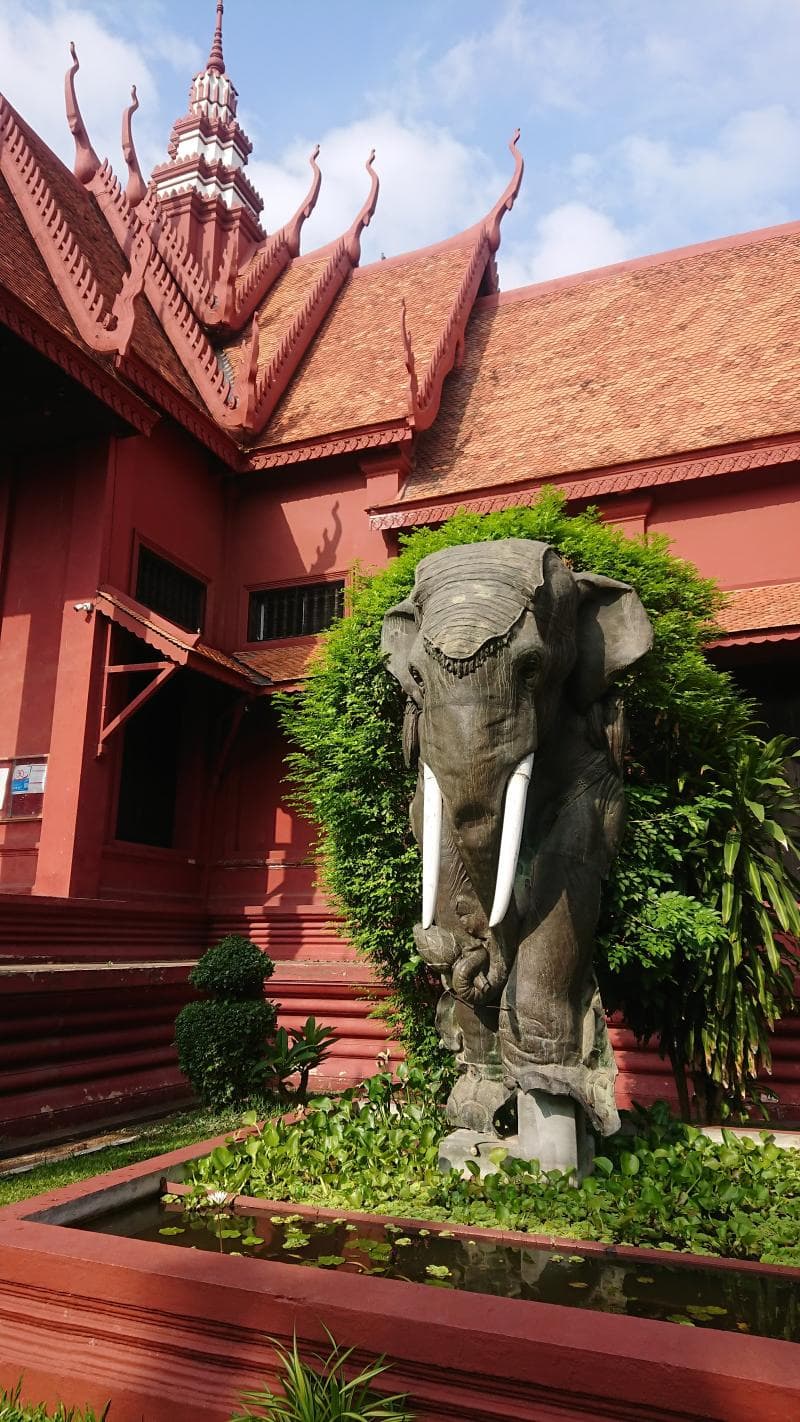
Explore the National Museum of Cambodia in Phnom Penh, home to the world's largest collection of Khmer art and cultural artifacts. Discover Cambodia's rich history.
Overview
The National Museum of Cambodia, nestled in the heart of Phnom Penh, stands as the country's preeminent institution dedicated to the preservation and display of Khmer art and cultural heritage. It is not merely a building but a captivating journey through Cambodia's rich past, housing one of the world's most significant collections of Khmer artifacts. With its distinctive terracotta architecture, the museum is an essential stop for any curious traveler seeking to understand the soul of Cambodia. It provides a profound insight into the artistic, historical, and religious evolution of the Khmer civilization, from its prehistoric origins through the powerful Angkorian Empire and beyond.
History & Cultural Background
The story of the National Museum of Cambodia began in the early 20th century, during the French Protectorate. Construction commenced in 1917, and it was officially inaugurated on April 13, 1920, coinciding with the Khmer New Year. The museum's design is credited to George Groslier, a French historian and curator deeply committed to Cambodian art. The architecture itself is a remarkable blend of traditional Khmer temple aesthetics and French colonial influences, resulting in a structure that is both elegant and deeply rooted in local tradition.
Over the decades, the museum has witnessed significant historical shifts. While it has undergone several renovations and expansions, notably in 1968, it faced immense challenges during the Khmer Rouge regime, remaining closed from 1975 to 1979. Despite these turbulent times, dedicated professionals worked tirelessly to protect its invaluable collections. Following the restoration of peace, the museum reopened, reaffirming its crucial role as a center for research, education, and cultural exchange. It works closely with institutions like the Royal University of Fine Arts, contributing to the understanding and preservation of Cambodian cultural traditions.
What Makes It Special
What truly sets the National Museum of Cambodia apart is its unparalleled collection. It boasts over 14,000 items, making it the largest collection of Khmer art globally. These artifacts span various historical periods: prehistoric, pre-Angkorian, Angkorian, and post-Angkorian, showcasing the evolution of Khmer artistry in stone, bronze, ceramics, and wood. Visitors can marvel at masterpieces like the iconic sculpture of King Jayavarman VII with his characteristic 'inner smile' or the impressive eight-armed Vishnu from Phnom Da.
Beyond its contents, the museum building itself is an architectural marvel. Its red terracotta structure, adorned with graceful rooflines, ornate decorations, and naga-crowned eaves, faithfully evokes the spirit of traditional Khmer temples. The serene central courtyard, complete with fish ponds and lotus flowers, offers a tranquil oasis amidst the bustling city, providing a perfect spot for reflection.
Stories, Fun Facts & Local Details
The museum's architecture tells a story of cultural fusion. Designed by George Groslier, it ingeniously combines delicate French architectural features with distinctly Cambodian themes, shapes, and colors. The central door, for instance, was famously carved by eight ancient craftsmen and their ten students, a testament to enduring artistic traditions. Interestingly, before its full restoration, the building was known for housing the world's largest bat enclave until 2003!
The museum also serves a religious function. Many of its artifacts, particularly the Hindu and Buddhist sculptures, are deeply intertwined with Cambodia's spiritual heritage, addressing community religious needs as a place of worship. The permanent exhibition, 'Post-Angkorian Buddha,' further highlights this spiritual connection. Furthermore, the museum actively works on the repatriation of Cambodian cultural property, ensuring that stolen artifacts find their way back home, enriching the national collection.
Visitor Perspective
Visiting the National Museum of Cambodia offers an immersive cultural experience. Located conveniently on Street 13, just north of the Royal Palace, it's easily accessible and often visited in conjunction with other city attractions. The museum is open daily from 8:00 AM to 5:00 PM, with the last admission at 4:30 PM. While photography is strictly prohibited inside the galleries to protect the artifacts and enhance the contemplative atmosphere, visitors are encouraged to capture the beauty of the exterior and the peaceful courtyard. To truly enrich your visit and delve deeper into the context of the exhibits, consider opting for a guided tour, available in multiple languages including Khmer, English, and French. Allow several hours to fully appreciate the extensive collections and the tranquil beauty of the museum's grounds.
Coordinates: 104.929344, 11.565581
View on Google Maps💬 How Travelers Describe This Place
Based on community votes
Must See
965Interesting
743Photogenic
719Beautiful
629Unique
176
Traveler Stories
Discover memorable experiences shared by travelers who have visited this place.
No traveler stories yet.
Be the first traveler to share what made this place memorable.
Things to see at National Museum Of Cambodia



Tour
By
Spot
Discover amazing places around the world. Your journey starts here.
Explore
© 2026 TourBySpot. All rights reserved.