Ancient Ceramics Section
Phnom Penh, Cambodia
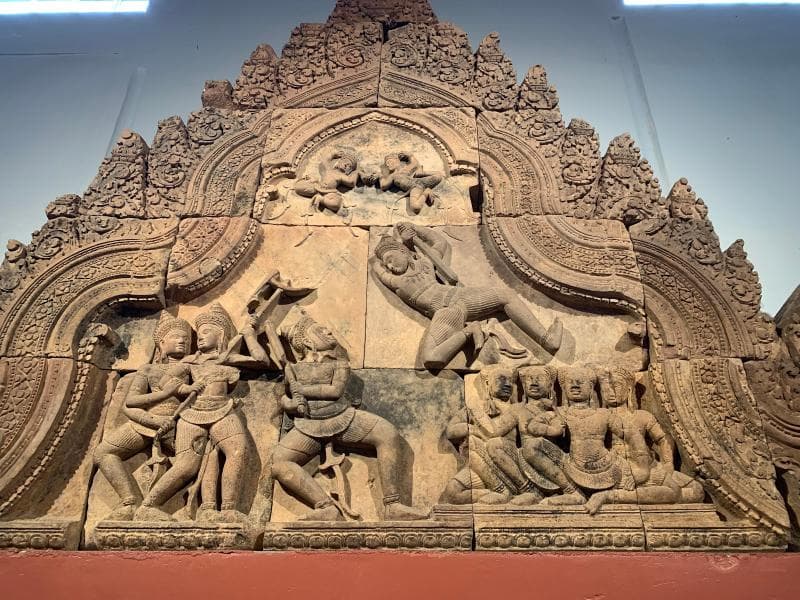
Explore the Ancient Ceramics Section at the National Museum of Cambodia in Phnom Penh, Cambodia, showcasing centuries of Khmer pottery and artistry.
Overview
Stepping into the Ancient Ceramics Section of the National Museum of Cambodia in Phnom Penh offers a unique journey through centuries of Khmer artistry and cultural evolution. This dedicated section proudly showcases one of the world's most significant collections of Cambodian pottery, spanning from prehistoric eras right through to the post-Angkorian periods. It serves as a testament to the profound skill and aesthetic sensibility of ancient Khmer artisans. Visitors will discover a rich array of pottery, from everyday functional items to intricate pieces used in sacred ceremonies, each telling a silent story of a bygone civilization. The collection exemplifies the artistic mastery and enduring cultural heritage of the Khmer people, providing a captivating glimpse into their daily lives and spiritual beliefs.
History & Cultural Background
The tradition of Cambodian ceramics is deeply rooted in history, with its origins traceable back to the Neolithic period, approximately the third millennium BCE. Early examples of pottery were often hand-built, featuring simple yet distinctive geometric decorations. As the Khmer civilization advanced, particularly during the flourishing Angkor period, spanning the 9th to the 15th centuries AD, ceramic production saw remarkable innovations. This era marked the widespread adoption of the potter's wheel and the development of high-temperature firing techniques, leading to more refined and durable wares. While drawing influences from neighboring Indian and Chinese traditions, Khmer ceramics distinguished themselves through their unique shapes and decorative motifs. The early appearance of glazed pottery, notably green glazes in the late 9th century, followed by the popularity of brown glazes in the 11th century, highlights a period of sophisticated material and technical experimentation. These ancient ceramics played a dual role in Khmer society: they were essential for practical purposes, such as cauldrons, storage containers, and everyday vessels, and equally vital for ritualistic functions, including vases and statues used in religious ceremonies. Towards the end of the Angkor period, the production of indigenous pottery gradually declined, accompanied by a notable increase in the import of Chinese ceramics, reflecting changing trade dynamics and aesthetic preferences.
What Makes It Special
The Ancient Ceramics Section is truly special due to the exceptional craftsmanship and the cultural narrative embedded within each piece. Visitors are often struck by the exquisite details, vibrant colors, and intricate patterns that adorn these ancient creations. The collection beautifully illustrates a fascinating fusion of Hindu and Buddhist influences, which are intricately woven into the designs, reflecting Cambodia's rich spiritual tapestry. The skillful techniques employed by the artisans, including precise wheel-throwing, meticulous hand-building, and sophisticated glazing, speak volumes about their expertise. A particularly enchanting aspect is the prevalence of zoomorphic shapes, with ceramics crafted in the forms of fish, elephants, rabbits, horses, and frogs, showcasing a playful yet reverent connection to the natural world. Beyond their artistic merit, the ceramics on display served diverse purposes, from architectural decorations like roof tiles and decorative finials, to vessels for religious ceremonies, and a wide array of items crucial for daily life. This extensive chronological range and thematic diversity provide a comprehensive overview of how Khmer ceramic art evolved, making each visit an enlightening experience into the heart of Cambodian cultural identity.
Stories, Fun Facts & Local Details
Beyond their visual appeal, these ancient ceramics whisper stories of Khmer life and beliefs. Interestingly, bas-reliefs found on ancient temples vividly illustrate the ubiquitous importance of pottery in daily and ceremonial contexts, offering a visual record of their use. For instance, some of the simpler, unglazed practical items like cooking pots and waterpots were adorned with carved thunder motifs. These weren't mere decorations; they were symbolic, representing the crucial rain and thunder essential for bountiful crop growth, highlighting the agricultural roots of the society. It's a comforting thought to realize that despite the passage of centuries, the fundamental functions of these ancient ceramic vessels – storing food, serving meals – resonate with our modern-day needs, even if materials have evolved from clay to aluminum or plastic. The legacy of these ancient traditions continues to inspire; there are ongoing efforts in contemporary Cambodia to revive and preserve ancient pottery techniques, underscoring the enduring value and beauty of this heritage.
Visitor Perspective
Exploring the Ancient Ceramics Section is an immersive and contemplative experience. The National Museum of Cambodia, itself a stunning example of Khmer temple architecture, provides an ideal setting for these historical treasures. Conveniently situated in the heart of Phnom Penh, it's easily accessible and often visited in conjunction with other prominent landmarks like the Royal Palace. As you wander through the Ceramics Gallery, you'll find a captivating display of daily objects, each carefully curated to offer insights into the lives of ancient Khmers. The serene atmosphere within the museum allows for a peaceful immersion, encouraging visitors to connect with the colorful stories of a brilliant civilization. Well-placed signage in various languages guides you through the collection, ensuring a comprehensive understanding of the historical and cultural significance of each ceramic piece. It's an essential stop for anyone wishing to delve deeper into Cambodia's artistic legacy and cultural richness.
Coordinates: 104.92928, 11.5655
View on Google Maps💬 How Travelers Describe This Place
Based on community votes
Unique
896Photogenic
550Must See
102Beautiful
95Interesting
28
Traveler Stories
Discover memorable experiences shared by travelers who have visited this place.
No traveler stories yet.
Be the first traveler to share what made this place memorable.

Tour
By
Spot
Discover amazing places around the world. Your journey starts here.
Explore
© 2026 TourBySpot. All rights reserved.