Shiva Exhibits
Phnom Penh, Cambodia
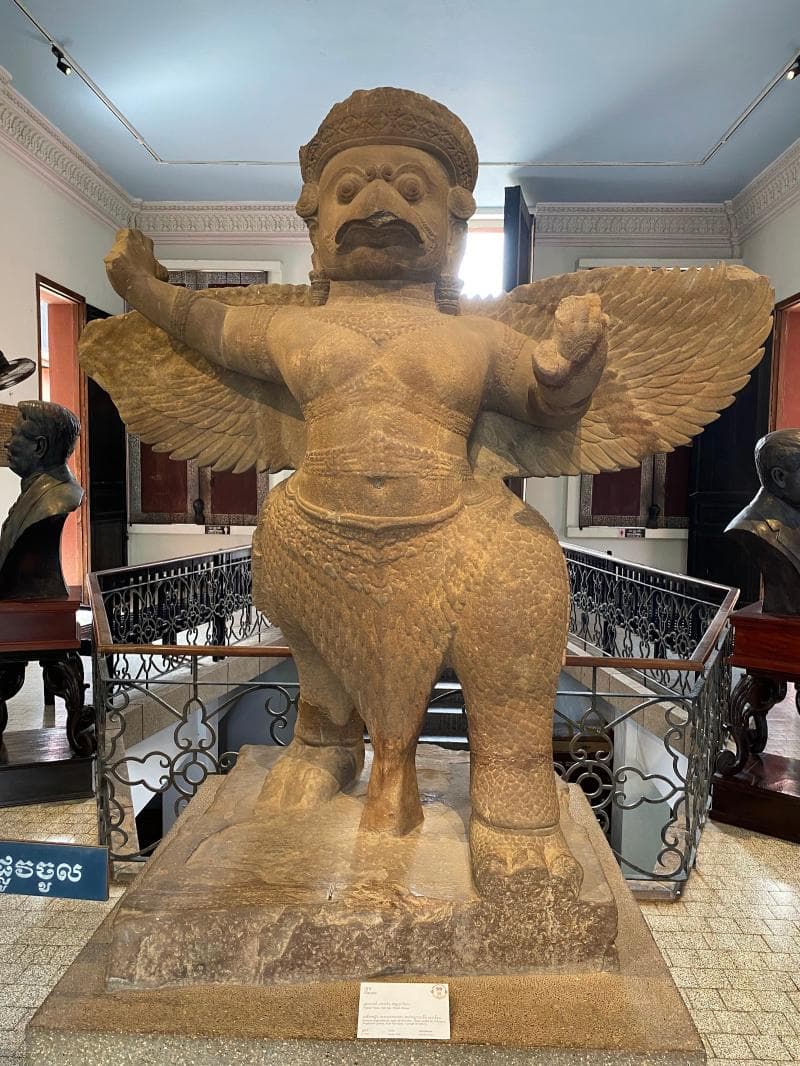
Discover the divine Shiva Exhibits at the National Museum of Cambodia in Phnom Penh, showcasing ancient Khmer Hindu art and cultural heritage.
Overview
Within the ornate walls of the National Museum of Cambodia in Phnom Penh, a captivating collection dedicated to the Hindu deity Shiva offers a profound journey into Cambodia's rich spiritual and artistic heritage. The museum, a repository of Khmer cultural treasures, houses a remarkable array of sculptures and artifacts that illuminate the enduring influence of Hinduism, particularly Shaivism, on ancient Cambodian civilization. From magnificent stone carvings depicting Shiva in various forms to intricate bronzes, these exhibits provide an unparalleled glimpse into the artistic mastery and religious devotion of the Khmer people. They serve as a powerful testament to the spiritual landscape that shaped the region for centuries, long before the widespread adoption of Buddhism.
Visitors to the Shiva Exhibits will discover a narrative of creation, destruction, and preservation, embodied by one of Hinduism's most complex and revered gods. Each artifact, meticulously preserved, tells a story of ancient rituals, mythological tales, and the skilled artisans who brought these divine forms to life. The collection is not merely an assembly of art; it is a vital link to the foundational beliefs that influenced Khmer kingship, art, and architecture, especially during the Angkorian period.
History & Cultural Background
The history of Shiva worship in Cambodia is deeply intertwined with the rise and flourishing of the Khmer Empire. Indian cultural influences, including the major religions of Hinduism and Buddhism, began shaping ancient Cambodia from the early Christian era, with both faiths often coexisting. Hinduism, particularly the cult of Shiva, was a dominant force, reflected in the monumental temple complexes and countless sculptures found across the kingdom. Many of the Shiva artifacts now housed in the National Museum of Cambodia originate from iconic sites such as Banteay Srei and the Koh Ker complex, once bustling centers of religious activity.
The museum itself, inaugurated in 1920, was established to preserve and exhibit these invaluable treasures, many of which were recovered from temple ruins. During periods of conflict, especially the civil war in the 1970s, many pieces suffered damage or were illicitly removed from the country. Consequently, the museum has played a crucial role in the repatriation of stolen artifacts, with significant pieces like the Shiva and Skanda sculpture returning to their rightful home. This ongoing effort highlights the deep cultural significance these objects hold for the Cambodian people, connecting them to their ancestral identity.
What Makes It Special
The Shiva Exhibits at the National Museum are distinguished by several iconic pieces that captivate with their artistic grandeur and historical weight. One of the most cherished is the polished sandstone sculpture of Shiva and Uma, known as Umamahesvara, from Banteay Srei. This 10th-century masterpiece depicts Shiva with his consort Uma seated gracefully on his left knee, an image revered for its delicate beauty and emotional depth. Sadly, Uma's head was tragically lost during the looting of the 1970s, a poignant reminder of past turmoil.
Another significant addition is the 10th-century sandstone sculpture of Shiva with his son Skanda, originating from Prasat Krachap in Koh Ker. This unique piece, repatriated in 2021, underwent meticulous restoration before being unveiled in 2023, showcasing the strong familial bond between the deities. Furthermore, the museum features fragments of a monumental 'Dancing Shiva' sculpture from Prasat Thom, Koh Ker. This extraordinary 10th-century depiction of a ten-armed Shiva in a dynamic dance posture, recently reborn through extensive Franco-Cambodian restoration efforts, represents a unique iconographic blend even when compared to Indian art. The collection also includes a 9th-century Shiva statue and a Baphuon-style Shiva Linga from the 11th century, alongside a 12th-century bronze bull Nandin, Shiva's faithful mount.
Stories, Fun Facts & Local Details
The Shiva and Uma sculpture, despite its missing head, remains a favorite among visitors, admired for its 'simple beauty'. The narrative surrounding the Shiva and Skanda piece is particularly compelling, as it represents a triumph of cultural heritage preservation. Its return in 2021, after years in a private collection, underscores Cambodia's dedication to reclaiming its past. Interestingly, the two figures in the Shiva and Skanda sculpture may also have represented King Jayavarman IV and his son Harshavarman II, linking divine imagery with royal lineage.
Beyond their artistic merit, these artifacts hold profound religious significance for many Cambodians. Visitors often approach these ancient sculptures not merely as museum pieces but as sacred objects of veneration. It is not uncommon to see small shrines set up within the museum where offerings of flowers are made, reflecting a living connection to these holy icons. This dual appreciation—as both historical art and spiritual symbols—enriches the visitor's understanding of the enduring power of these ancient beliefs in modern Cambodia.
Visitor Perspective
Exploring the Shiva Exhibits at the National Museum of Cambodia is an immersive experience. The museum's architecture, inspired by Khmer temples, provides a fitting backdrop for these ancient treasures, creating an atmosphere of reverence and wonder. As you wander through the galleries, you'll encounter Shiva in his various aspects—as the creator, preserver, and destroyer—each represented with exquisite detail and symbolic meaning. While photography is generally restricted inside the galleries to protect the artifacts, the sheer presence of these masterpieces allows for a deeply personal engagement.
The curated display, often organized by period and style, allows for a comprehensive understanding of the evolution of Khmer art and the central role of Shiva in its development. Taking time to observe the intricate carvings, the serene expressions, and the powerful stances of these divine figures offers a unique window into the spiritual world of ancient Cambodia. Whether you are a history enthusiast, an art lover, or a spiritual seeker, the Shiva Exhibits provide an unforgettable opportunity to connect with a profound cultural legacy in the heart of Phnom Penh.
Coordinates: 104.94, 11.84
View on Google Maps💬 How Travelers Describe This Place
Based on community votes
Beautiful
965Photogenic
743Unique
629Must See
184Interesting
176
Traveler Stories
Discover memorable experiences shared by travelers who have visited this place.
No traveler stories yet.
Be the first traveler to share what made this place memorable.

Tour
By
Spot
Discover amazing places around the world. Your journey starts here.
Explore
© 2026 TourBySpot. All rights reserved.