Angkor Gallery
Phnom Penh, Cambodia
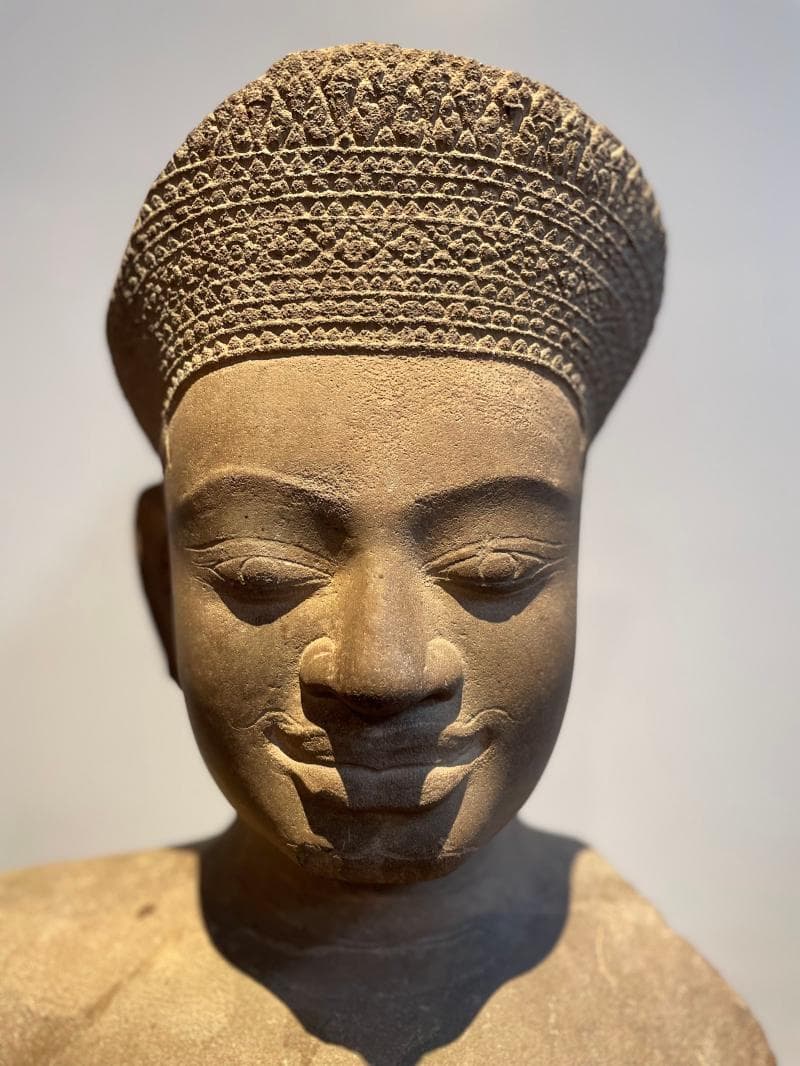
Explore the National Museum of Cambodia in Phnom Penh, home to an extensive collection of ancient Khmer art and Angkorian artifacts. Discover Cambodia's rich history and culture.
Overview
The National Museum of Cambodia, nestled in the heart of Phnom Penh, serves as the country's foremost cultural history and archaeological museum. It safeguards an unparalleled collection of Khmer art and artifacts, offering a profound journey through Cambodia's rich past. While there isn't a specific named 'Angkor Gallery' as a distinct room, the museum's vast collection is predominantly dedicated to the Angkorian period, showcasing masterpieces that once adorned the grand temples of Angkor and other significant sites across the Khmer Empire [22, 25, 34]. Housing over 14,000 items, the museum's displays span from prehistoric times through the pre-Angkorian, Angkorian, and post-Angkorian eras, with a strong emphasis on the artistic and religious achievements of the Angkor civilization [22, 24, 30]. It is an essential stop for anyone seeking to understand the ingenuity and spiritual depth of the ancient Khmer people before venturing to the temples themselves.
History & Cultural Background
The National Museum of Cambodia's story began during the French colonial period, with its foundation stone laid in 1917 and its official inauguration on April 13, 1920, during the Khmer New Year [22, 30]. The museum's distinctive architecture, conceived by French archaeologist and artist George Groslier, is a harmonious blend of traditional Khmer temple design and early 20th-century colonial influences. Its terracotta structure, with graceful tiered roofs and ornate carved doors, stands as an architectural marvel itself, reflecting the very heritage it protects [22, 24, 32]. Over the decades, the museum has endured tumultuous times, including the Khmer Rouge regime, yet it has steadfastly upheld its mission to preserve and promote Cambodia's cultural legacy [22, 28]. It plays a vital role in national identity, education, and the ongoing effort to repatriate stolen artifacts, ensuring these treasures return to their homeland [22]. The museum also works closely with the Royal University of Fine Arts, fostering a deeper understanding of Cambodian cultural traditions [22].
What Makes It Special
What truly sets the National Museum of Cambodia apart is its extraordinary concentration of Angkorian artifacts. Visitors encounter a breathtaking array of stone sculptures, bronzes, and ceramics that tell the story of the Khmer Empire's artistic and religious evolution [25, 29]. Among the most celebrated pieces are the monumental, eight-armed Vishnu statue from the 6th or 7th century, a powerful depiction of the Hindu deity, and the serene, meditative statue of King Jayavarman VII from the late 12th century, with his head slightly bowed [25, 26]. The collection also features striking statues of Shiva from various centuries, and intricate lintels and architectural fragments rescued from ancient temples [25]. These objects not only showcase the exceptional skill of Khmer artisans but also reveal the profound spiritual beliefs—both Hindu and Buddhist—that shaped the empire [22, 28]. The chronological arrangement of many exhibits guides visitors through the stylistic changes and religious influences over centuries, making the immense artistic output of the Angkor period comprehensible and deeply moving [25, 30]. The museum's central courtyard, a tranquil oasis with lotus ponds, further enhances the experience, offering a peaceful space for reflection amid the historical wonders [24, 31].
Stories, Fun Facts & Local Details
Beyond the grand statues, the museum holds countless smaller treasures that whisper stories of ancient Khmer life. You can observe the evolution of religious iconography, from early Hindu deities to the flourishing of Mahayana Buddhism during the later Angkorian period [28, 30]. A fascinating aspect is the blending of Indian cultural influences with distinctly Khmer artistic interpretations, resulting in a unique and original art form [18]. For instance, the 'Smile of Angkor,' often associated with the four-faced towers of Bayon, is subtly reflected in some of the serene countenances within the museum's collection [24]. A particularly poignant detail is the museum's resilience; after the devastation of the Khmer Rouge era, efforts by the Cambodian government and people, along with international support, painstakingly restored and rebuilt its collections and institutional strength [22, 31]. This reflects a deep national pride in preserving a heritage that defines a people who have endured much [10]. The museum itself, with its graceful design and peaceful atmosphere, offers a glimpse into the traditional Khmer aesthetic that extends beyond the artifacts to the very space housing them [24, 31].
Visitor Perspective
A visit to the National Museum of Cambodia is an immersive journey into the soul of Khmer civilization. Entering the terracotta building, visitors are immediately transported to a bygone era [24, 31]. Walking through the galleries, one feels a tangible connection to the artisans and rulers who shaped this incredible culture [29]. The sheer scale and detail of the sculptures, from intricate carvings to imposing bronzes, evoke a sense of awe and wonder [25, 29]. To enhance the experience, guided tours are available in several languages, including English, French, and Japanese, providing deeper insights into the historical and cultural significance of the exhibits [23, 26]. Although photography is not permitted inside the galleries to protect the artifacts, visitors are welcome to capture the beauty of the museum's exterior and its serene central courtyard [23, 26]. Spending two to three hours here is highly recommended to fully appreciate the breadth and depth of the collection, particularly before visiting the sprawling temple complexes of Angkor, as it provides invaluable context to the grand structures you will later encounter [27, 29].
Coordinates: 104.92928, 11.5655
View on Google Maps💬 How Travelers Describe This Place
Based on community votes
Must See
710Unique
102Interesting
102Photogenic
95Beautiful
87
Traveler Stories
Discover memorable experiences shared by travelers who have visited this place.
No traveler stories yet.
Be the first traveler to share what made this place memorable.

Tour
By
Spot
Discover amazing places around the world. Your journey starts here.
Explore
© 2026 TourBySpot. All rights reserved.