Bronze Collection
Phnom Penh, Cambodia
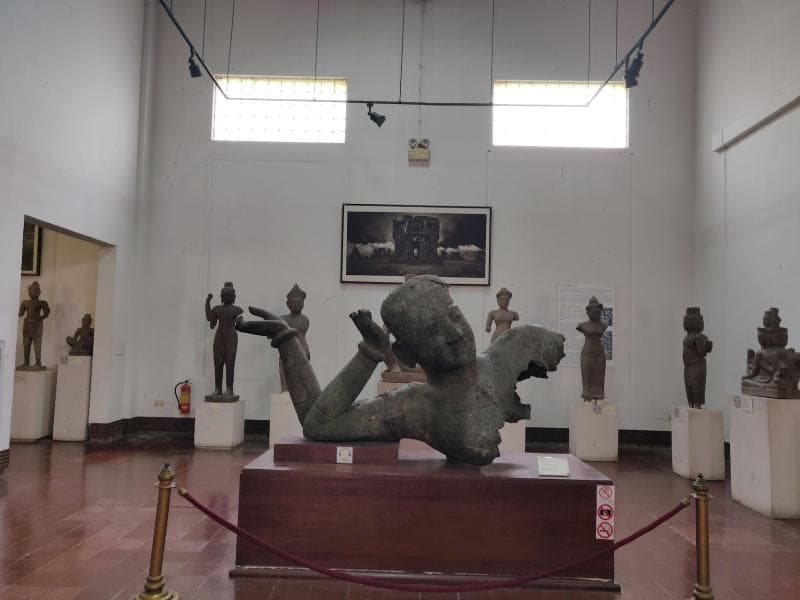
Explore the exquisite Bronze Collection at the National Museum of Cambodia in Phnom Penh, home to centuries of Khmer metalwork artistry.
Overview
Stepping into the National Museum of Cambodia in Phnom Penh, a curious traveler discovers a treasure trove of Khmer artistry. Among its most compelling displays is the Bronze Collection, a dedicated showcase illuminating the exceptional skill and profound cultural significance of ancient Cambodian metalwork. This collection, alongside impressive stone, wood, and ceramic artifacts, offers a window into the rich heritage of a civilization that mastered both monumental architecture and intricate sculpture. The museum itself, housed within a striking terracotta building of traditional Khmer design, provides a serene backdrop for these historical marvels.
The Bronze Collection is not merely a display of old objects; it is a narrative told through gleaming metal, reflecting centuries of devotion, artistic evolution, and technological prowess. Visitors are invited to explore the intricate details and powerful forms that characterize Khmer bronzes, many of which are considered among the finest in the world.
History & Cultural Background
The art of bronze casting in Cambodia boasts a long and distinguished history, dating back to the pre-Angkorian periods of Funan and Chenla, spanning from the 4th to the 9th centuries. This tradition continued to flourish throughout the classical Angkorian era (10th-14th centuries) and even into post-Angkorian times. The ancient Khmer civilization was profoundly influenced by Indian culture, particularly Hinduism and Buddhism, which are vividly represented in the bronze artifacts.
Early bronzes, especially those from the pre-Angkorian period, often exhibit clear Indian influences, sometimes described by art historians like Georges Groslier as 'Greco-Gupta' due to their blend of Greek and Indian artistic characteristics, evident in the subtle sway of the hips and knees of certain statues. These early pieces laid the foundation for a distinct Khmer style that would later emerge, characterized by its own unique iconography and aesthetic principles. Bronze became a preferred medium for depicting Hindu and Buddhist divinities, as it allowed for the creation of intricate figures with multiple arms or delicate details that would have been exceedingly difficult, if not impossible, to carve in stone.
What Makes It Special
What truly sets the Bronze Collection apart is the sheer mastery of metallurgy and artistry displayed by ancient Khmer artisans. Their ability to work with a complex array of materials, including gold, silver, copper, zinc, mercury, pewter, iron, and lead, allowed them to achieve varying colors and textures in their creations. The museum's Bronze Gallery offers insights into the unique bronze-casting methods employed during the Angkorian period, providing a fascinating lesson in the techniques behind these masterpieces.
Among the collection's most iconic pieces is the monumental 11th-century bronze sculpture of the Reclining Vishnu from West Baray at Angkor. This colossal artwork, reportedly 7-feet-long, is considered one of the undisputed masterworks of Khmer statuary and a revered Cambodian national treasure. Its intricate details and sheer scale are a testament to the advanced artistic and engineering capabilities of the time. Other notable bronzes include various representations of Buddhist triads, standing adorned Buddhas, and an impressive eight-armed Vishnu from Phnom Da dating back to the 6th century. The collection also features unique pieces like elephant bells and figures of divinities such as Hevajra and Maitreya, often found exclusively in bronze.
Stories, Fun Facts & Local Details
Beyond their artistic merit, many bronzes in the collection served vital roles in religious ceremonies and daily life, acting as conduits for devotion and expressions of cultural identity. Imagine these gleaming figures, once gracing temple altars or royal courts, reflecting candlelight during ancient rituals, or adorning everyday objects with sacred significance. The very act of creating these bronzes was often a spiritual endeavor, with artisans pouring their skill and belief into each cast. The preservation of these artifacts, some of which were only recently conserved after centuries, like the Reclining Vishnu, speaks to ongoing international efforts to safeguard Cambodia's invaluable cultural heritage.
Visitor Perspective
For any traveler to Phnom Penh, a visit to the National Museum of Cambodia's Bronze Collection is an essential experience. It offers more than just a visual spectacle; it provides a profound connection to the spiritual and artistic heart of the Khmer civilization. As you wander through the galleries, the silence allows for contemplation of the stories embedded within each sculpture – tales of gods, kings, and the skilled hands that brought them to life. The collection helps visitors understand the continuous evolution of Khmer art and the enduring legacy of a people who expressed their faith and identity through exquisite metalwork. It’s an immersive journey that leaves one with a deeper appreciation for the ingenuity and cultural depth of Cambodia.
Coordinates: 104.92928, 11.5655
View on Google Maps💬 How Travelers Describe This Place
Based on community votes
Beautiful
896Interesting
550Must See
95Photogenic
56Unique
28
Traveler Stories
Discover memorable experiences shared by travelers who have visited this place.
No traveler stories yet.
Be the first traveler to share what made this place memorable.

Tour
By
Spot
Discover amazing places around the world. Your journey starts here.
Explore
© 2026 TourBySpot. All rights reserved.