Courtyard Garden
Phnom Penh, Cambodia
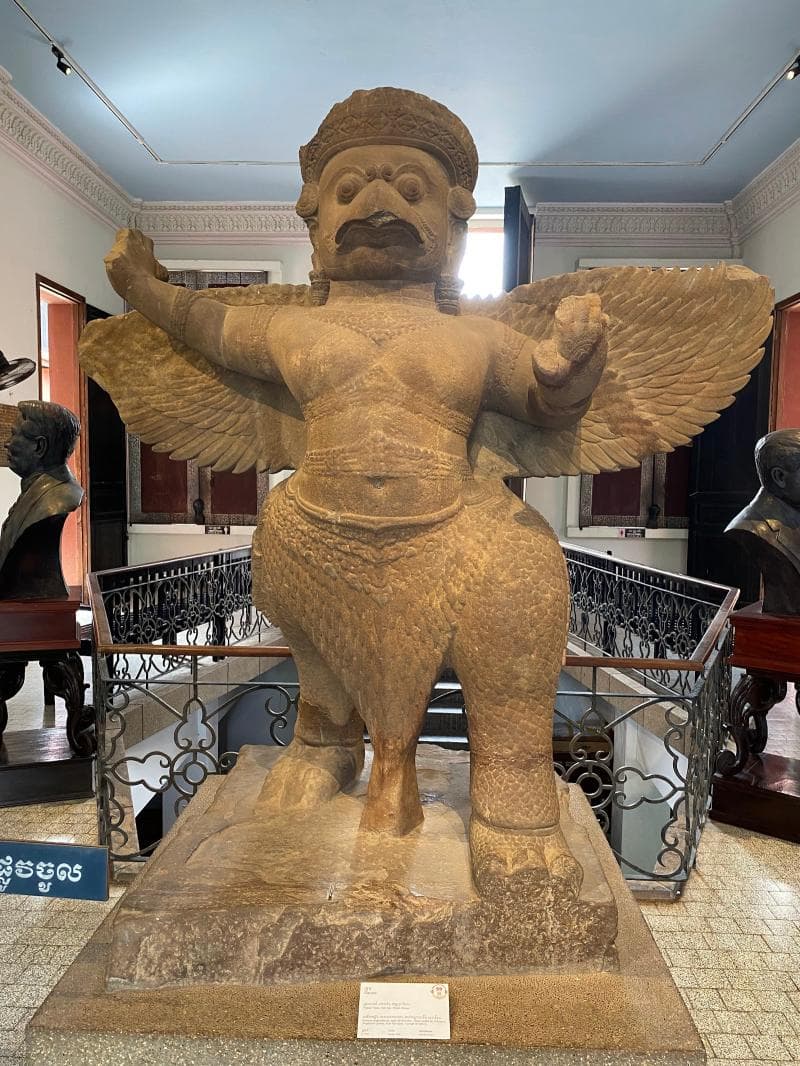
Discover the tranquil Courtyard Garden at the National Museum of Cambodia in Phnom Penh, a serene oasis blending Khmer architecture and lush greenery.
Overview
Nestled within the graceful terracotta structure of the National Museum of Cambodia in Phnom Penh lies a verdant oasis known as the Courtyard Garden. This central garden is more than just a decorative space; it serves as a serene counterpoint to the museum's extensive indoor collections of Khmer art and artifacts. Visitors often find it a tranquil haven, offering a moment of quiet reflection amidst their exploration of Cambodia's rich cultural heritage. The garden's design harmoniously blends traditional Khmer aesthetics with elements that evoke a sense of peaceful contemplation, creating an immersive experience for those seeking a deeper connection to the country's history and artistry.
The Courtyard Garden, with its lush greenery and traditional features, is an integral part of the museum's overall architectural statement, which itself draws inspiration from ancient Khmer temples. It acts as an open-air gallery, often housing various sculptural pieces and offering picturesque views of the surrounding museum pavilions.
History & Cultural Background
The National Museum of Cambodia, including its iconic Courtyard Garden, was conceived and constructed between 1917 and 1920 by French colonial authorities, with French architect and archaeologist George Groslier playing a pivotal role in its design. Groslier’s vision was unique for its time, deliberately reviving pre-Angkorian Khmer architectural forms rather than imposing a European colonial style. This commitment to local heritage is evident in the museum's tiered roofs, carved sandstone lintels, and the very layout that embraces a central garden courtyard.
The museum officially opened its doors in 1920. The garden, an essential element of Groslier's design, was intended to be both an aesthetic feature and a functional space, providing light and air to the surrounding galleries. Throughout its history, particularly after the devastating Khmer Rouge regime from 1975 to 1979, the museum and its garden endured periods of disrepair. During this dark time, the garden became overgrown and neglected. However, it was swiftly tidied up and reopened in April 1979, symbolizing a revival of Cambodian culture and heritage.
What Makes It Special
What truly sets the Courtyard Garden apart is its ability to provide a sensory and emotional respite from the intellectual intensity of the museum's indoor exhibits. It's a beautifully manicured space, often featuring small ponds adorned with lotus flowers, and is shaded by trees that invite birds, enhancing the sense of peace.
The garden also serves as an extension of the museum's collection, frequently displaying various ancient sculptures and architectural elements. One notable example is the presence of four-faced statues, sometimes referred to as 'The Smile of Angkor,' and in the past, it housed the original statue of the 'Leper King' (Yama, the Hindu god of death) from the Terrace of the Leper King in Angkor Archaeological Park. Unlike the museum galleries where photography is often prohibited, visitors are welcome to photograph the exterior of the museum and its charming Courtyard Garden, making it a popular spot for capturing memories.
Stories, Fun Facts & Local Details
The blend of traditional Khmer architecture with a subtle touch of French colonial garden design makes this courtyard unique. It's a place where you can almost feel the layers of history, from the ancient artifacts strategically placed among the flora to the echoes of its renovation after periods of conflict.
Imagine an artist, brush in hand, capturing the scenic view of the museum's tiered roofs reflected in the serene ponds, a common sight that underscores the garden's artistic inspiration. This space was intentionally designed to evoke the 'true spirit of Cambodian art' through its open spaces and integration with nature. The presence of ancient sculptures like fragments of an immense bronze reclining Vishnu statue, or statues of Hindu gods, further connects the garden directly to Cambodia's spiritual and artistic past, allowing visitors to ponder the stories etched in stone and bronze under the open sky.
Visitor Perspective
For many travelers, the Courtyard Garden offers an essential break during their museum visit. After absorbing the vast collections inside, stepping into this peaceful outdoor area provides a moment to unwind, process the information, and simply enjoy the beauty of the surroundings. It's a place for quiet contemplation, perhaps sitting by a lotus pond or admiring the intricate details of the museum's exterior from a different vantage point.
The ability to take photographs here is a welcome aspect, allowing visitors to capture the architectural elegance and the tranquil atmosphere. Whether you're a history enthusiast or simply a curious traveler, the Courtyard Garden offers a multi-sensory experience, enriching your understanding and appreciation of Cambodian culture by presenting art and nature in harmonious coexistence. It's a refreshing interlude that truly enhances the overall visit to the National Museum of Cambodia.
Coordinates: 104.92929, 11.56546
View on Google Maps💬 How Travelers Describe This Place
Based on community votes
Unique
585Must See
550Interesting
546Photogenic
92Beautiful
56
Traveler Stories
Discover memorable experiences shared by travelers who have visited this place.
No traveler stories yet.
Be the first traveler to share what made this place memorable.

Tour
By
Spot
Discover amazing places around the world. Your journey starts here.
Explore
© 2026 TourBySpot. All rights reserved.