Munich Residenz
Munich, Germany
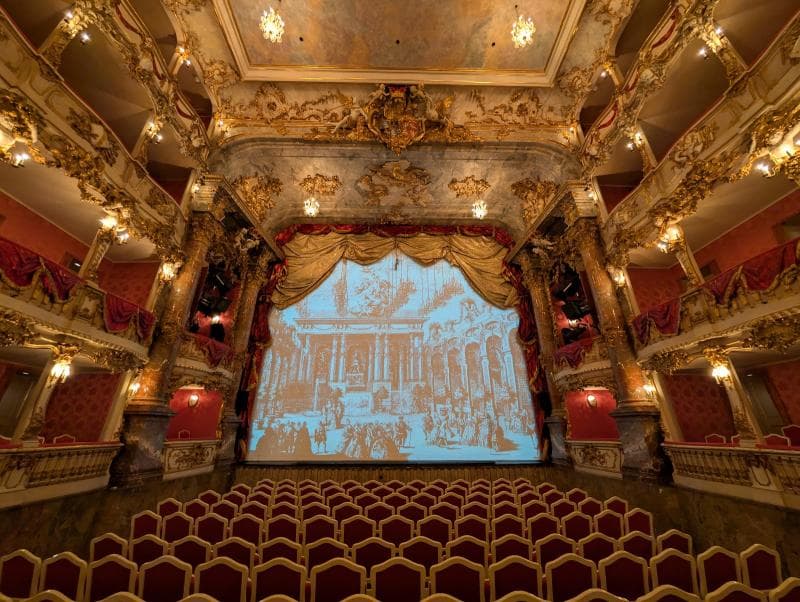
Explore the Munich Residenz, Germany's largest city palace. Discover centuries of royal history, opulent rooms, and stunning art in Munich.
Overview
The Munich Residenz, nestled in the heart of Munich, Germany, stands as the largest city palace in the country and a monumental testament to Bavaria's royal past. Once the primary residence and seat of government for the Wittelsbach dynasty, who ruled Bavaria as dukes, electors, and kings from 1508 to 1918, it is now an expansive museum complex open to the public. This architectural marvel invites visitors to wander through centuries of history, art, and opulence, showcasing a remarkable blend of Renaissance, Baroque, Rococo, and Neoclassical styles that reflect the evolving tastes of its royal inhabitants. With over 130 rooms and ten courtyards, the Residenz is not merely a palace but a sprawling ensemble of buildings, gardens, and art collections.
History & Cultural Background
The origins of the Munich Residenz date back to 1385, when it began as a modest castle known as the Neuveste, situated in the northeastern corner of the city. Over the centuries, successive Wittelsbach rulers continuously expanded and adorned the complex, transforming it into the magnificent palace seen today. Each era left its indelible mark, from the Renaissance grandeur introduced by Duke Wilhelm V and Duke Albert V, evident in spaces like the Antiquarium, to the Baroque flourishes, Rococo elegance, and the Neoclassical ambitions of King Ludwig I. After the abolition of the monarchy in 1918, the Residenz transitioned into an interior design museum, officially opening its doors to the public in 1920. Tragically, much of the palace suffered severe damage during the bombings of World War II. However, with remarkable dedication and a strong sense of cultural preservation, the Residenz was meticulously reconstructed over several decades, with many areas restored to their former glory, making it a powerful symbol of resilience.
What Makes It Special
The Munich Residenz is distinguished by its sheer scale and the incredible diversity of its artistic and architectural treasures. It houses one of Europe's most significant palace museums, offering a unique journey through various historical periods. Highlights include the awe-inspiring Antiquarium, built between 1568 and 1571, which stands as the largest Renaissance hall north of the Alps, adorned with antique busts and intricate ceiling paintings. The Treasury, spanning ten rooms, showcases an extraordinary collection of Bavarian royal regalia, crown jewels, and other priceless artifacts that chronicle over a millennium of history. Another jewel is the Cuvilliés Theatre, a brilliant example of Rococo architecture built between 1751 and 1755, famous for its opulent red and gold decor and as the venue for the premiere of Mozart's opera 'Idomeneo' in 1781. Visitors can also marvel at the unique Grotto Courtyard with its elaborate shell work and central dripstone fountain, the Baroque Imperial Hall, and King Ludwig I's neoclassical State Apartment.
Stories, Fun Facts & Local Details
Beyond its grand facade, the Residenz is rich with fascinating stories. The Wittelsbach rulers, particularly King Ludwig I, harbored a deep admiration for Italian art and architecture, which heavily influenced the design of the Königsbau wing, drawing inspiration from Florentine palaces like the Palazzo Pitti. The meticulous reconstruction after World War II holds a poignant detail: the shell decorations in the Grotto Courtyard, destroyed by bombing, were painstakingly rebuilt using freshwater shells collected by Munich citizens, embodying a collective effort to restore their heritage. The palace's immense size, with its numerous wings added by successive rulers, creates a maze-like experience for visitors, leading many to feel they are constantly discovering new hidden corners and passages. The Cuvilliés Theatre, though now a concert venue, once hosted celebrated figures like Napoleon, who reportedly attended a performance of 'Don Giovanni' there.
Visitor Perspective
Exploring the Munich Residenz is an immersive experience that requires ample time. While a quick visit might take around two hours, most advise allocating at least half a day to fully appreciate the museum, the Treasury, and the Cuvilliés Theatre. For those who wish to delve deeper, audio guides are available in multiple languages, offering detailed explanations that bring the opulent rooms and their history to life. The palace is centrally located, making it easily accessible, just a short walk from iconic sites like Marienplatz and the Hofbräuhaus. To enjoy a more tranquil visit, especially during peak seasons, it is recommended to arrive shortly after opening time. The sheer volume of art, historical artifacts, and architectural styles ensures that every curious traveler will find something to captivate their imagination within the sprawling walls of this former royal domain.
Coordinates: 11.57942, 48.14137
View on Google Maps💬 How Travelers Describe This Place
Based on community votes
Must See
995Unique
839Beautiful
388Interesting
289Photogenic
141
Traveler Stories
Discover memorable experiences shared by travelers who have visited this place.
No traveler stories yet.
Be the first traveler to share what made this place memorable.
Things to see at Munich Residenz



Tour
By
Spot
Discover amazing places around the world. Your journey starts here.
Explore
© 2026 TourBySpot. All rights reserved.