Cuvilliés Theatre
Munich, Germany
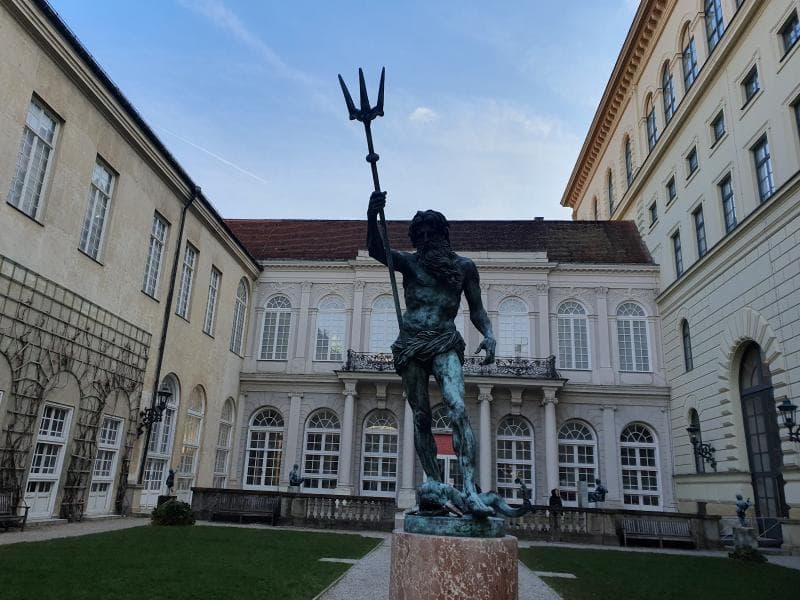
Discover the Cuvilliés Theatre, a stunning Rococo masterpiece within the Munich Residenz, Germany. Explore its history, unique design, and Mozart's legacy.
Overview
Nestled within the vast complex of the Munich Residenz, the Cuvilliés Theatre stands as a shimmering jewel of European Rococo architecture. Officially known as the Old Residence Theatre, this opulent playhouse is a testament to 18th-century grandeur and a significant cultural landmark in Munich, Germany. Its lavish red and gold interior, intricate carvings, and historical resonance make it a captivating destination for anyone exploring the city's rich past.
Originally built as the private opera house for the Bavarian Elector, the theatre has witnessed countless historical performances and hosted royalty and nobility. Despite facing near-total destruction during World War II, a remarkable act of foresight ensured its intricate wooden elements were saved, allowing for its faithful reconstruction. Today, the Cuvilliés Theatre continues its legacy, not just as a museum piece, but as a vibrant venue for classical concerts and opera performances, inviting visitors to step back in time.
History & Cultural Background
The story of the Cuvilliés Theatre begins in the mid-18th century, born from the ashes of a fire that destroyed the previous theatre hall within the Residenz in 1750. Elector Maximilian III Joseph commissioned a new, lavish opera house, entrusting its design to the court architect François de Cuvilliés the Elder, after whom the theatre is now named. Constructed between 1751 and 1753, the theatre opened its doors on October 12, 1753, with a performance of Ferrandini's opera 'Catone in Utica'.
Initially, the theatre was an exclusive preserve for the Bavarian court, showcasing magnificent productions. A pivotal moment in its history came in 1781 when Wolfgang Amadeus Mozart's opera 'Idomeneo' had its world premiere on its stage. Over the decades, the theatre saw periods of both prominence and decline, including being converted into a depot in the early 19th century under King Ludwig I, before being restored and re-opened by King Maximilian II in 1857.
The theatre faced its greatest challenge during World War II. On March 18, 1944, the building housing the theatre was completely destroyed by Allied bombing. However, in an extraordinary effort to preserve its artistic heritage, the elaborate painted wood carvings and other tier fittings had been meticulously dismantled and stored in a safe location in 1943. This allowed for its meticulous reconstruction in a new location within the Residenz complex between 1956 and 1958, re-opening for Munich's 800-year anniversary with Mozart's 'The Marriage of Figaro'.
What Makes It Special
The Cuvilliés Theatre is celebrated as one of Europe's most significant and beautiful Rococo theatres. Its most striking feature is the breathtaking interior, characterized by a vibrant interplay of rich crimson and shimmering gold. The four tiers of boxes, arranged in a horseshoe shape, are adorned with an astounding array of carved figures, floral ornaments, and intricate patterning. These carvings, executed under the supervision of Johann Baptist Straub, reflect a 'style rocaille' that is unparalleled in its artistic detail.
A notable aspect of its architecture is the clear reflection of 18th-century social hierarchy. The boxes on the higher tiers, particularly the magnificent Elector's box opposite the stage, were reserved for the highest nobility and are the most elaborately decorated. The Elector's box itself is a work of art, supported by Atlas figures and crowned with allegorical representations. This 'Gesamtkunstwerk,' or 'total work of art,' offers an immersive experience where architecture, sculpture, and performance once converged to create an unforgettable spectacle.
Stories, Fun Facts & Local Details
One of the most enduring stories connected to the Cuvilliés Theatre is its close association with Wolfgang Amadeus Mozart. In 1781, at just 25 years old, Mozart premiered his opera 'Idomeneo' here, marking a significant moment in his ambitious career. Imagine the anticipation and excitement of that night, with the young composer leading his groundbreaking work in such an exquisite setting.
Another fascinating detail involves Emperor Napoleon Bonaparte. In 1806, on the occasion of Bavaria attaining kingdom status, Napoleon himself attended two operas in the Cuvilliés Theatre, including Mozart's 'Don Giovanni', watching from the royal box. This illustrates the theatre's enduring prestige and its role in significant European events.
The theatre's survival through World War II is a story of incredible foresight. In 1943, realizing the imminent danger, officials made the monumental decision to dismantle and store the entire wooden interior for safekeeping. This painstaking effort meant that when the building itself was destroyed, the invaluable Rococo ornamentation was preserved, allowing for its authentic reconstruction years later. The new location for the reconstructed theatre, near the Apothecary Courtyard within the Residenz, is a testament to this phoenix-like rebirth.
Visitor Perspective
Visiting the Cuvilliés Theatre today offers a unique opportunity to step into a meticulously preserved piece of history. While it is physically located within the sprawling Munich Residenz, its entrance is now accessed from the Fountain Courtyard. Many visitors are struck by its relatively intimate size, which contributes to the feeling that there isn't a single 'bad' seat in the house. The compact nature enhances the overwhelming beauty of its detailed red and gold decor, making every corner a visual delight.
It's important to note that while the Residenz complex is vast, the Cuvilliés Theatre can feel somewhat hidden. Visitors often suggest allowing extra time to navigate the courtyards and hallways to find its entrance. Unlike some larger museums, the theatre often doesn't have an extensive audio guide, allowing for a focused appreciation of its aesthetic and historical grandeur. However, for those keen on experiencing its original purpose, the theatre still hosts regular opera and classical music performances, offering a truly special way to engage with its living history.
Coordinates: 11.578587398015591, 48.141163282601696
View on Google Maps💬 How Travelers Describe This Place
Based on community votes
Interesting
998Photogenic
481Beautiful
472Must See
399Unique
92
Traveler Stories
Discover memorable experiences shared by travelers who have visited this place.
No traveler stories yet.
Be the first traveler to share what made this place memorable.

Tour
By
Spot
Discover amazing places around the world. Your journey starts here.
Explore
© 2026 TourBySpot. All rights reserved.