Kaiserhof
Munich, Germany
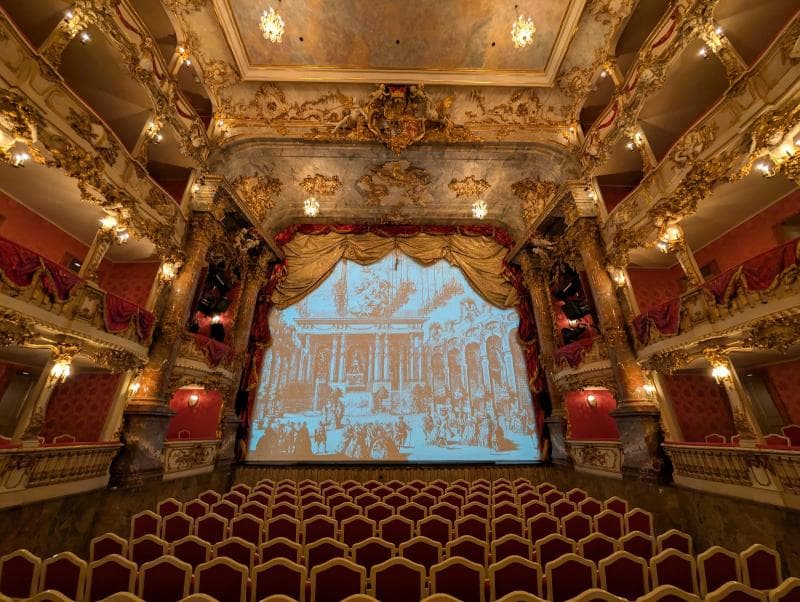
Discover the Kaiserhof, the Imperial Courtyard within the magnificent Munich Residenz in Munich, Germany, and delve into its rich history.
Overview
Tucked within the sprawling complex of the Munich Residenz in Munich, Germany, lies the impressive Kaiserhof, or Imperial Courtyard. This grand architectural ensemble is one of the ten courtyards that punctuate Germany's largest city palace, serving as a testament to centuries of Bavarian royal history. Visitors exploring the Residenz will inevitably encounter the Kaiserhof, a space designed for regal display and significant historical interactions. It forms an integral part of the northwestern section of the Residenz, bordered by other notable courtyards and close to the Hofgarten. The Kaiserhof offers a glimpse into the formidable power and artistic tastes of the Wittelsbach dynasty, who once governed Bavaria from this very site.
History & Cultural Background
The origins of the Kaiserhof date back to the early 17th century, specifically between 1612 and 1618, during the reign of Duke Maximilian I. It was Maximilian I, a pivotal figure in Bavarian history, who commissioned the construction of the buildings surrounding this courtyard. The name 'Kaiserhof' itself holds deep historical significance, reflecting its primary purpose: to accommodate and impress visiting Holy Roman Emperors. The suite of rooms in the west wing, adjacent to the courtyard, was exclusively reserved for these imperial guests, underscoring the Wittelsbachs' aspirations and their place within the broader European power structure. This period marked a significant expansion and beautification of the Residenz, transforming it from a medieval fortress into a magnificent Renaissance palace.
What Makes It Special
The Kaiserhof distinguishes itself through its harmonious architecture and its historical role as a stage for imperial encounters. The buildings encircling the courtyard are adorned in the uniform fresco style of Italian Renaissance painting, creating a visually cohesive and majestic environment. This artistic choice reflects the contemporary European aesthetic and the Wittelsbachs' appreciation for Italian art. Beyond its aesthetic appeal, the Kaiserhof was designed with ceremonial grandeur in mind. The north wing, facing the new Court Garden, housed critical entrance and reception rooms, along with the monumental Imperial Staircase. This staircase led directly to the Imperial Hall, also constructed under Maximilian I. The Imperial Hall was the most significant and largest festive space in the Residenz during the 17th century. Its elaborate pictorial program, featuring tapestries depicting heroic figures from classical antiquity and the Old Testament, was intended to project an image of princely rule founded on reason and virtue, serving as a model for the reigning monarch.
Stories, Fun Facts & Local Details
One of the intriguing aspects of the Kaiserhof is its exclusivity. Historically, the courtyard was only opened on the rare and momentous occasions of imperial visits. This made it a particularly privileged space, reserved for the highest echelons of European royalty and politics, adding to its mystique and importance. Today, this once exclusive space is accessible to the public, offering a unique opportunity to walk in the footsteps of emperors and dukes. In a charming modern twist, the Kaiserhof occasionally plays host to the popular Munich Christmas Village, temporarily transforming its historic grandeur into a festive market bustling with local crafts and seasonal delights. This blend of ancient imperial dignity and contemporary local tradition adds another layer to the courtyard's rich narrative. The Residenz itself, which houses the Kaiserhof, underwent extensive reconstruction after being severely damaged during World War II, a testament to its enduring cultural value and the German commitment to preserving its heritage.
Visitor Perspective
For the curious traveler, visiting the Kaiserhof today provides a palpable connection to Munich's royal past. As you step into this expansive courtyard, you can almost imagine the ceremonial processions and the arrival of dignitaries that once animated the space. It’s a moment to pause and appreciate the scale and architectural ambition of the Wittelsbach rulers. The Kaiserhof serves as an excellent starting point or focal point for understanding the complex layout of the Munich Residenz, seamlessly connecting different wings and historical periods. Exploring the courtyard encourages visitors to delve deeper into the adjacent areas, such as the Imperial Staircase and the Imperial Hall, allowing for a comprehensive experience of the palace's imperial chambers. As part of the Munich Residenz, one of Europe's most significant palace museums, the Kaiserhof contributes significantly to the overall visitor journey, enriching the understanding of Bavarian history and its cultural legacy.
Coordinates: 11.578587398015591, 48.141163282601696
View on Google Maps💬 How Travelers Describe This Place
Based on community votes
Must See
996Unique
673Photogenic
186Beautiful
143Interesting
80
Traveler Stories
Discover memorable experiences shared by travelers who have visited this place.
No traveler stories yet.
Be the first traveler to share what made this place memorable.

Tour
By
Spot
Discover amazing places around the world. Your journey starts here.
Explore
© 2026 TourBySpot. All rights reserved.