Treasury
Munich, Germany
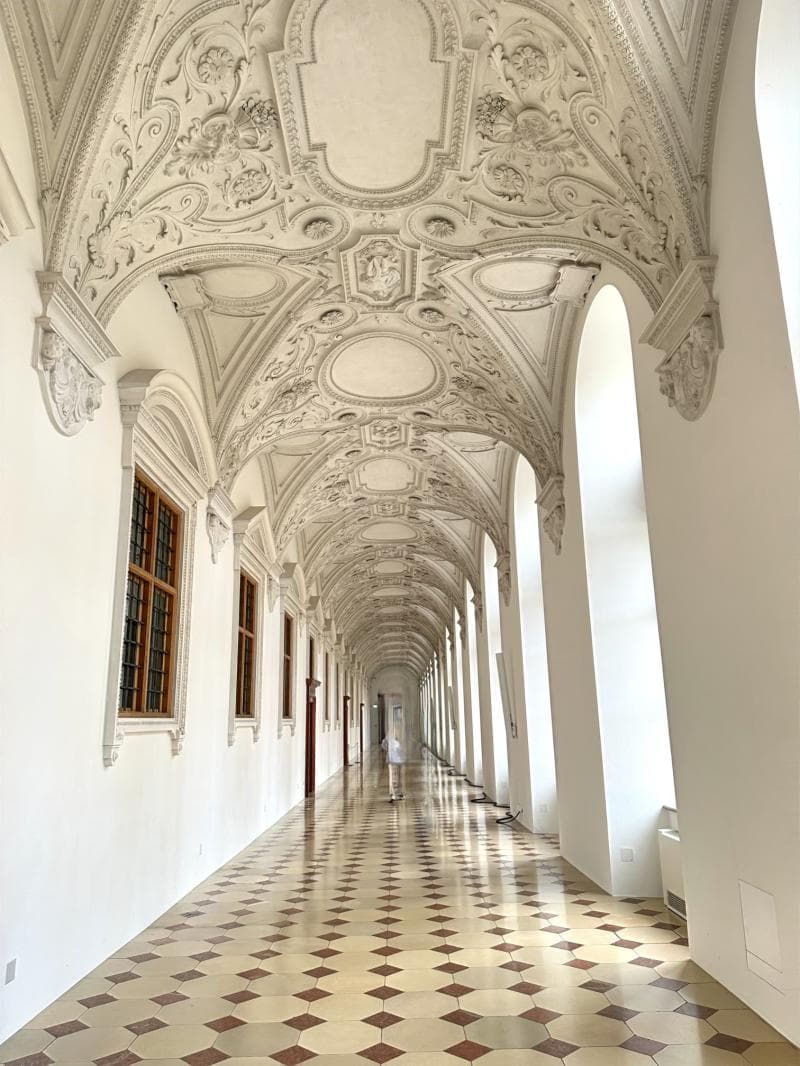
Explore the historic Treasury (Schatzkammer) at Munich Residenz, Germany. Discover centuries of royal jewels, crowns, and priceless artifacts from the Wittelsbach dynasty.
Overview
Deep within the sprawling architectural marvel of the Munich Residenz in Munich, Germany, lies a treasure trove that has captivated visitors for centuries: the Treasury, known in German as the 'Schatzkammer'. This extraordinary collection showcases the immense wealth, artistic taste, and historical significance of the Wittelsbach dynasty, who ruled Bavaria for over 700 years. Far from being a mere display of riches, the Treasury offers a profound journey through Bavarian and European history, revealing how power, faith, and artistry intertwined to create objects of unparalleled beauty and value. It stands as a testament to the Wittelsbachs' enduring legacy and their dedication to preserving their 'hereditary and dynastic jewels' for future generations.
History & Cultural Background
The foundation of the Treasury dates back to 1565 when Duke Albrecht V of the Wittelsbach dynasty stipulated in his will that particularly valuable 'hereditary and dynastic jewels' should be united into an unsaleable fund. This crucial decree ensured the preservation and continuous expansion of the collection. Over subsequent centuries, the Wittelsbach rulers, including Albrecht's son Duke Wilhelm V and grandson Elector Maximilian I, meticulously expanded this treasure.
A significant enlargement occurred in the late 18th century when Elector Karl Theodor transferred the 'Palatine Treasure' to Munich. The collection reached its full historical extent in the early 19th century with the addition of royal insignia for the newly established Kingdom of Bavaria and numerous outstanding medieval artworks acquired during the secularization of church property in 1803. While the collection was initially housed in a specially created cabinet (now the Porcelain Cabinet) in 1731, and later moved in 1897, its current location in ten galleries on the ground floor of the King's Building was established when it reopened to the public in 1958, following the extensive damage and rebuilding efforts after World War II.
What Makes It Special
What sets the Munich Residenz Treasury apart is not just the sheer number of items—over 1,200 individual pieces—but their incredible diversity and exceptional craftsmanship. The collection spans nearly two millennia of art and cultural history, featuring an astonishing array of jewels, goldsmith's works, enamels, crystal objects, and ivories. Visitors can admire royal crowns, including the crown of the Bavarian kings, jewel-encrusted medals, chalices, and religious relics. Among the highlights is a magnificent gold statuette of St. George from 1597, intricately adorned with gems. Another revered artifact is Emperor Charles the Bald's prayer book, dating back to 860 CE, showcasing the collection's remarkable historical depth. The inclusion of both profane and sacred treasures, gathered from various periods and artistic styles, presents a comprehensive view of European decorative arts.
Stories, Fun Facts & Local Details
The origin story of the Treasury, rooted in Duke Albrecht V's will to prevent the sale of his family's 'kleinoder' (treasures), highlights a foresight that ensured its survival through centuries of political upheaval and war. This royal decree cemented the collection's status as an enduring symbol of the Wittelsbach legacy. During World War II, a fascinating anecdote tells of the treasures being secretly relocated and hidden to protect them from destruction, a testament to the dedication of those who guarded Bavaria's cultural heritage. For example, some objects were temporarily stored at Neuschwanstein Castle for safekeeping. The collection is not merely about glittering gold; it also features intricate religious art, such as monstrances and reliquaries, showcasing the deep faith that often accompanied royal power. The display in ten thoughtfully arranged galleries allows for an intimate exploration of each piece, often accompanied by an audio guide for a richer understanding of their provenance and significance.
Visitor Perspective
A visit to the Treasury of the Munich Residenz is an experience of awe and wonder, offering a glimpse into a bygone era of royal splendor and meticulous artistry. As you walk through the ten exhibition rooms, you are transported through centuries, admiring the brilliance of skilled artisans who transformed precious materials into breathtaking works of art. The collection is thoughtfully curated, making it accessible and engaging. Despite the vastness of the collection, visitors can typically explore the entire Treasury within one to two hours, allowing ample time to appreciate the intricate details of each piece. The atmosphere is one of reverence for history and art, inviting a curious traveler to reflect on the stories these objects could tell. Before entering, visitors should be aware of practical considerations, such as bag restrictions, to ensure a smooth and enjoyable experience.
Coordinates: 11.58026, 48.14158
View on Google Maps💬 How Travelers Describe This Place
Based on community votes
Interesting
685Unique
446Photogenic
399Must See
152Beautiful
33
Traveler Stories
Discover memorable experiences shared by travelers who have visited this place.
No traveler stories yet.
Be the first traveler to share what made this place memorable.

Tour
By
Spot
Discover amazing places around the world. Your journey starts here.
Explore
© 2026 TourBySpot. All rights reserved.