Residenz Museum
Munich, Germany
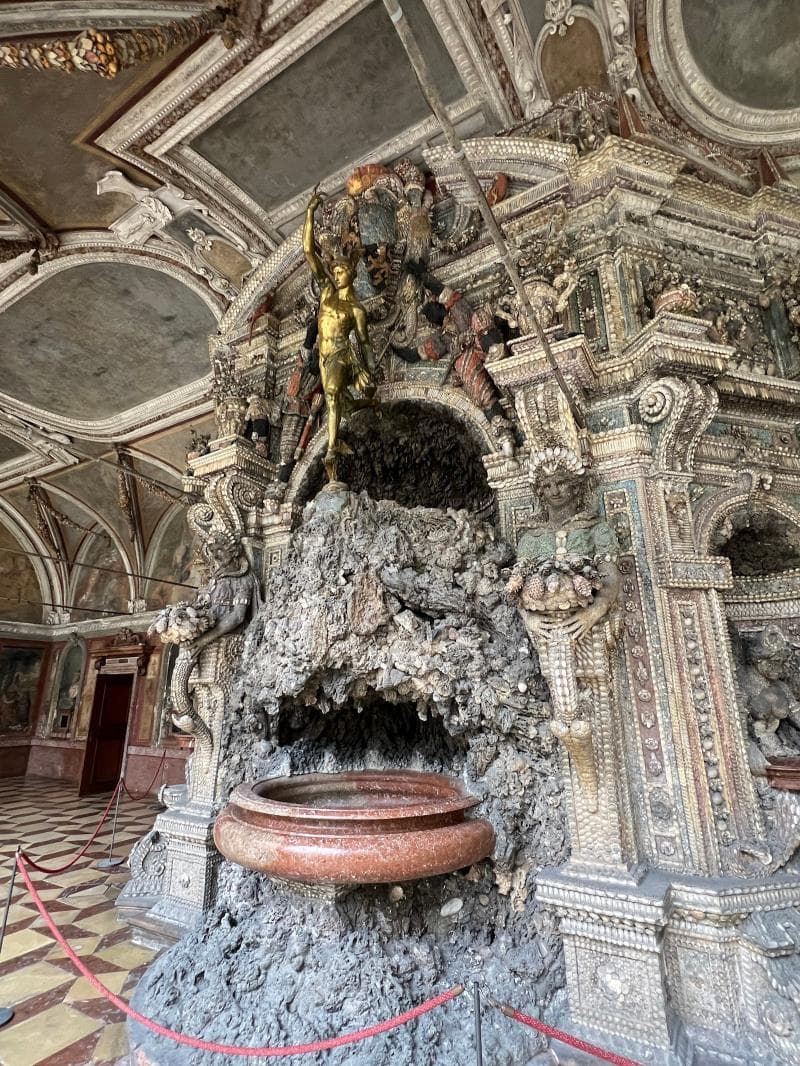
Discover the Residenz Museum in Munich, Germany – the former royal palace of the Wittelsbachs, now a grand museum of art and history.
Overview
The Residenz Museum, nestled within the sprawling Munich Residenz in Munich, Germany, is a majestic testament to centuries of Bavarian royal history. Once the primary residence and seat of government for the Wittelsbach monarchs, this vast palace complex has been transformed into one of Europe's most significant palace museums, captivating visitors with its opulent interiors and profound cultural heritage. It offers an unparalleled glimpse into the lives and artistic tastes of dukes, electors, and kings who shaped Bavaria.
As Germany's largest city palace, the Munich Residenz houses approximately 130 rooms open for public viewing, showcasing diverse architectural styles and rich art collections. Exploring its halls feels like stepping through a living timeline, where every corner reveals a story of power, art, and transformation.
History & Cultural Background
The history of the Munich Residenz dates back to 1385, when it began as a modest moated castle. Over more than four centuries, it underwent continuous expansion and transformation, reflecting the evolving grandeur and ambitions of the Wittelsbach dynasty. This architectural evolution resulted in a remarkable blend of styles, from the late Renaissance to Baroque, Rococo, Neoclassicism, and Historicism.
The Residenz served as the official residence of Bavarian rulers until 1918, when the German monarchy ended. Subsequently, it was opened to the public as an interior design museum in 1920, making its royal treasures accessible to all. Tragically, the palace suffered extensive damage during the Second World War. However, through decades of meticulous restoration, most of its rooms have been reconstructed, ensuring that the legacy of the Wittelsbachs endures for future generations.
What Makes It Special
What truly sets the Residenz Museum apart is its sheer scale and the incredible diversity of its collections. Among its many highlights is the Antiquarium, built between 1568 and 1571. This magnificent hall is the largest Renaissance hall north of the Alps, originally designed to house Duke Albert V's antique sculpture collection.
Another crown jewel is the Treasury, spanning ten rooms and boasting an impressive collection of riches accumulated over centuries. It features over 1,250 unique artifacts, including crowns, swords, goblets, and the famed Bavarian crown jewels, making it one of the most important collections globally.
Visitors can also marvel at the Ancestral Gallery, a splendid Baroque space adorned with portraits celebrating the Wittelsbach lineage, and the exquisite Porcelain Cabinet, displaying items from both the Nymphenburg Porcelain Factory and other renowned European producers. The opulent Green Gallery, the Imperial Hall, and the richly decorated Rich Chapel also contribute to the museum's unique allure.
Stories, Fun Facts & Local Details
Beyond its grand architecture and art, the Residenz Museum holds fascinating stories. During the Counter-Reformation in the 16th century, Duke Wilhelm V and later his son Maximilian I amassed a significant collection of religious relics. This collection, housed in the Rich Chapel, once included what was believed to be one of the four alleged heads of John the Baptist, alongside relics of other saints. While their provenance is now considered dubious, these beautifully crafted reliquaries offer a unique historical and cultural insight.
The palace is also known for its intricate details and clever design elements. For instance, some areas feature 'faux painted ceilings' that create remarkable optical illusions of height and depth. The museum’s extensive reconstruction after World War II is a testament to Munich's dedication to preserving its cultural heritage, with innovative locals even using seashells to replicate original grotto designs.
Additionally, the Munich Residenz complex includes cultural venues like the Cuvilliés Theatre, a brilliant example of Rococo architecture, and the Herkulessaal, a significant concert hall, further cementing its role as a vibrant center of Bavarian culture.
Visitor Perspective
Exploring the Residenz Museum is an immersive experience that can take several hours, often requiring a full half-day to truly appreciate its vastness. With around 130 rooms, the museum provides suggested routes, sometimes even shorter or longer options, to help visitors navigate its extensive exhibits. Audio guides are available in multiple languages, offering detailed explanations and enhancing the self-guided tour.
The museum and treasury generally operate daily, with slightly shorter hours during the winter months. It is advisable to allow plenty of time for your visit, especially if you wish to explore both the museum and the Treasury, which are often offered as a combined ticket. The main entrance is conveniently located on Max-Joseph-Platz.
Coordinates: 11.58026, 48.14158
View on Google Maps💬 How Travelers Describe This Place
Based on community votes
Photogenic
996Must See
953Beautiful
658Interesting
585Unique
69
Traveler Stories
Discover memorable experiences shared by travelers who have visited this place.
No traveler stories yet.
Be the first traveler to share what made this place memorable.

Tour
By
Spot
Discover amazing places around the world. Your journey starts here.
Explore
© 2026 TourBySpot. All rights reserved.