Montjuïc
Barcelona, Spain
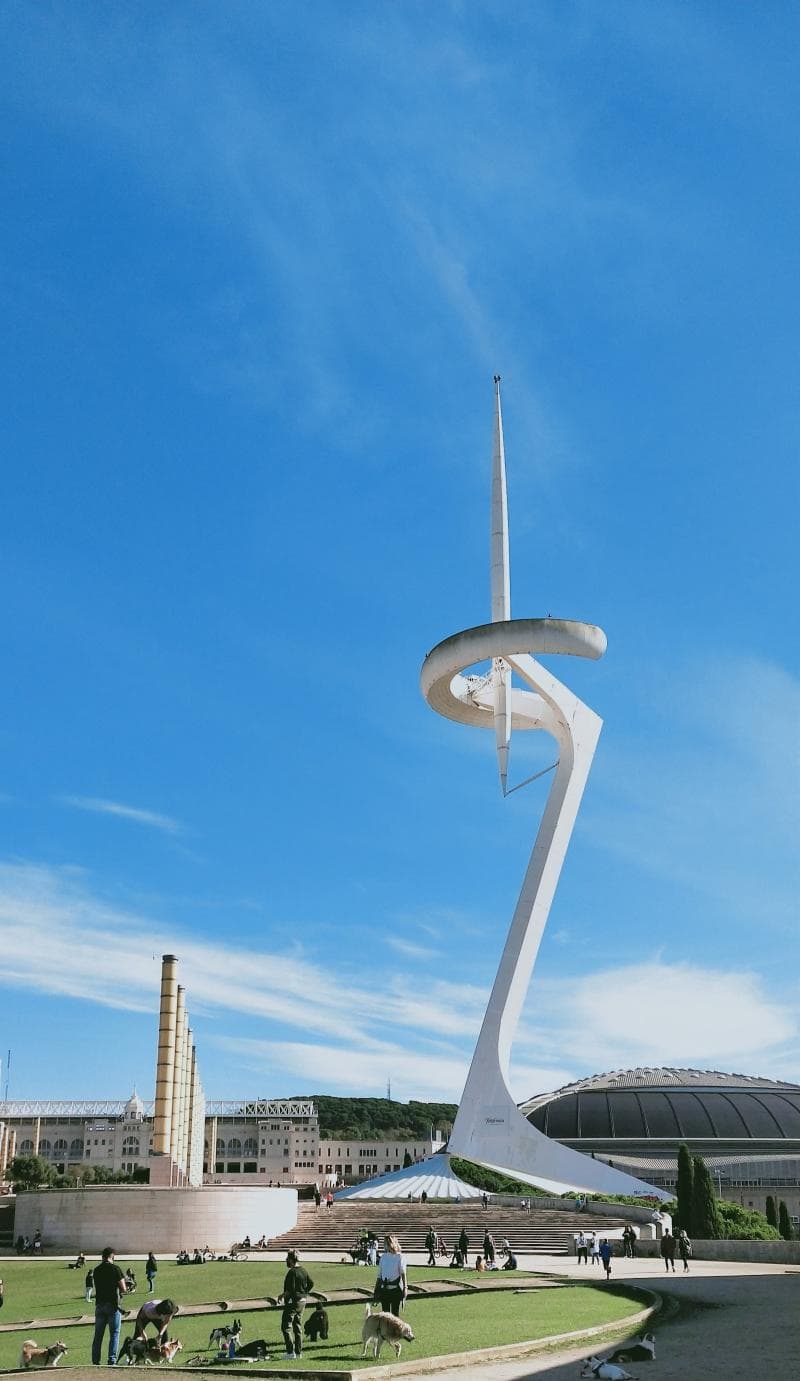
Discover Montjuïc in Barcelona, Spain. Explore its historic castle, Olympic sites, vibrant gardens, and world-class museums with stunning views.
Overview
Perched majestically above Barcelona's bustling harbor, Montjuïc is far more than just a hill; it is a verdant lung and a profound cultural and historical landmark in the heart of Catalonia, Spain. This iconic site offers breathtaking panoramic views of the city, its port, and the Mediterranean Sea, inviting travelers to discover a unique blend of nature, art, and history. Its name, ‘Montjuïc,’ means 'Jewish Mountain' in medieval Latin and Catalan, a testament to the ancient Jewish cemetery once located on its slopes. For centuries, Montjuïc's strategic position, nestled between the Mediterranean and the Llobregat River, has made it a pivotal location, influencing the very origins and development of Barcelona itself.
History & Cultural Background
Montjuïc's story is deeply interwoven with Barcelona's past, serving as a silent witness and active participant in many defining moments. Archaeological evidence suggests it was an Iberian settlement and later a significant Roman quarry, providing stone for the nascent city. Its strategic importance became undeniable, leading to the construction of fortifications. The first military fort was erected in a remarkable 30 days in 1640 during the Catalan Revolt, aimed at defending Barcelona. The Montjuïc Castle, as we largely see it today, was further developed in the 17th and 18th centuries, becoming a formidable military stronghold. However, its history also carries a somber note, as it tragically served as a prison and execution site for political prisoners, particularly during the Spanish Civil War. Notably, Lluís Companys, the president of the Generalitat de Catalunya, was executed within its walls in 1940.
The 20th century marked a significant transformation for Montjuïc, shifting its purpose from military control to public celebration. The hill underwent extensive development for the 1929 International Exposition, which left a lasting legacy of iconic structures like the Palau Nacional, the enchanting Magic Fountain, and the Poble Espanyol. Decades later, Montjuïc once again took center stage, becoming the primary venue for the 1992 Summer Olympics. This event spurred further urban renewal, creating the renowned 'Olympic Ring' with its array of state-of-the-art sporting facilities, solidifying Montjuïc's place as a symbol of Barcelona's modern identity.
What Makes It Special
Montjuïc captivates visitors with its diverse array of attractions, blending history, art, and natural beauty. At its summit stands the Montjuïc Castle, a historic military fortress that now functions as a municipal facility and cultural center, offering unparalleled views across the cityscape and coastline. Below the castle, the Magic Fountain of Montjuïc mesmerizes with its spectacular displays of light, water, and music, a beloved legacy of the 1929 International Exposition.
For sports enthusiasts, the Olympic Ring (Anella Olímpica) commemorates the 1992 Games, featuring the Lluís Companys Olympic Stadium, the innovative Palau Sant Jordi, and Santiago Calatrava's striking communications tower. Culture seekers will find world-class museums such as the Museu Nacional d'Art de Catalunya (MNAC), housed within the impressive Palau Nacional, and the Fundació Joan Miró, dedicated to the celebrated Catalan artist. The Poble Espanyol, an architectural open-air museum, presents replicas of traditional Spanish buildings from various regions, offering a cultural journey through Spain in one place. Beyond the man-made marvels, Montjuïc is adorned with a collection of beautiful gardens, including the unique Mossèn Costa i Llobera Gardens, known for its cacti and succulent collection, providing tranquil retreats and lush green spaces.
Stories, Fun Facts & Local Details
The name Montjuïc, meaning 'Jewish Mountain,' is a direct reference to a medieval Jewish cemetery discovered there, a site so historically significant it was declared a Cultural Asset of National Interest in 2007. An intriguing detail from its military past is that the initial Montjuïc Castle was constructed in an astonishing 30 days in 1640, reflecting the urgency of defense during a period of conflict. Ironically, this fortress, originally intended to protect Barcelona, was later used to bombard the city itself during various historical conflicts, turning its cannons against the very citizens it was meant to defend.
In a curious scientific footnote, the French scientist Pierre-André Méchain conducted observations from the castle in the late 18th century that were crucial in the establishment of the metric system. The Lluís Companys Olympic Stadium, originally built for the 1929 Exposition, was magnificently renovated for the 1992 Olympics and now occasionally serves as a temporary home for FC Barcelona's football matches. The Calatrava communications tower, a distinctive feature of the Olympic Ring, not only provides vital broadcasting capabilities but also pays artistic homage to Gaudí with its trencadís mosaic and ingeniously doubles as a sundial. For a unique local experience in summer, the Olympic pools host open-air movie screenings, offering a magical setting under the stars. The Montjuïc cemetery itself is considered a monumental necropolis, showcasing a rich array of artistic and architectural styles within its tombs and mausoleums.
Visitor Perspective
Visiting Montjuïc offers a multifaceted experience that can easily fill an entire day, or even more, for the curious traveler. The hill is remarkably accessible, with options including the Montjuïc Cable Car, which provides a scenic and convenient journey directly to the castle's entrance, or the funicular, metro, and various bus routes connecting it to the city center. Exploring Montjuïc means immersing oneself in a calmer, greener side of Barcelona, with numerous paths ideal for leisurely strolls through its extensive gardens and parks. The Barcelona Tourist Bus, particularly its red route, offers a structured way to see many of Montjuïc's key attractions, allowing for hop-on, hop-off convenience. For those planning to visit multiple museums and attractions across the city, investing in a Barcelona Card can provide significant value, often including free access to several Montjuïc sites. From breathtaking viewpoints to profound historical sites and vibrant cultural spaces, Montjuïc invites visitors to explore, reflect, and enjoy the diverse charm of Barcelona.
Coordinates: 2.16083, 41.36417
View on Google Maps💬 How Travelers Describe This Place
Based on community votes
Must See
680Interesting
653Beautiful
588Unique
566Photogenic
503
Traveler Stories
Discover memorable experiences shared by travelers who have visited this place.
No traveler stories yet.
Be the first traveler to share what made this place memorable.
Things to see at Montjuïc



Tour
By
Spot
Discover amazing places around the world. Your journey starts here.
Explore
© 2026 TourBySpot. All rights reserved.