Poble Espanyol
Barcelona, Spain
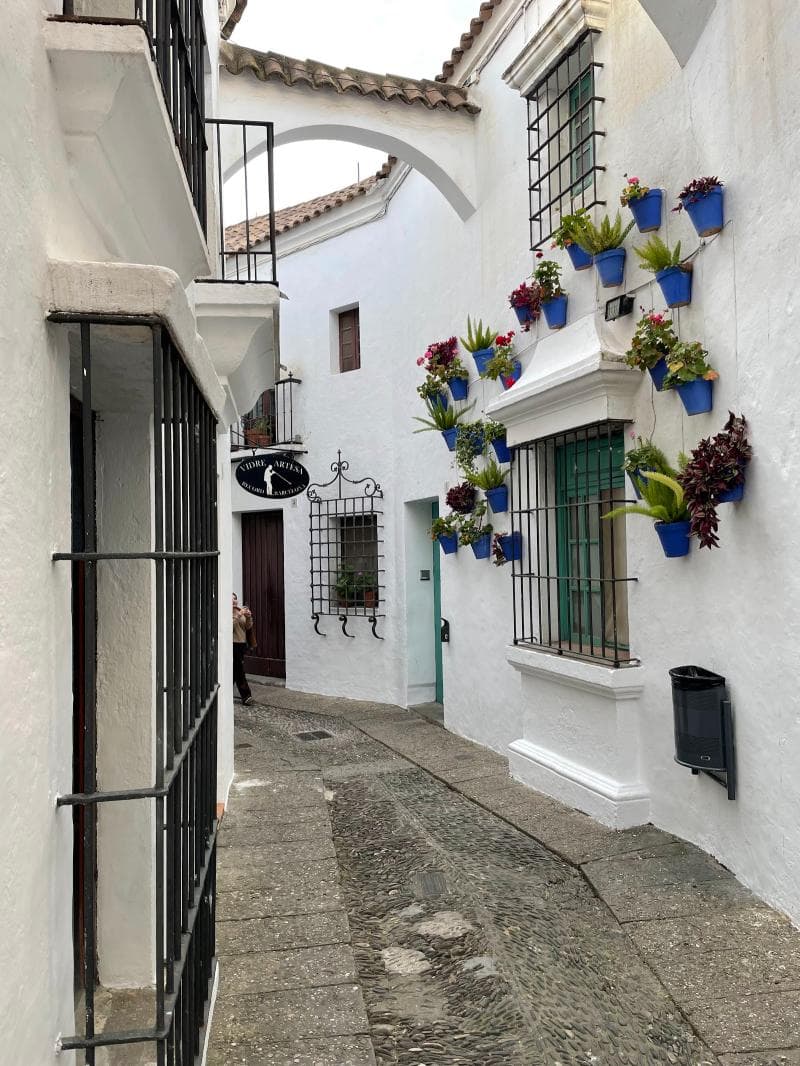
Explore Poble Espanyol, an open-air architectural museum in Montjuïc, Barcelona, Spain. Discover Spain's diverse culture, architecture, and craftsmanship.
Overview
Nestled on the slopes of Montjuïc mountain in Barcelona, Spain, Poble Espanyol is a truly unique open-air architectural museum. More than just a collection of buildings, it is a 'Spanish Village' that encapsulates the architectural and cultural diversity of Spain within a single, immersive space. Conceived for the 1929 Barcelona International Exposition, it offers visitors a captivating journey through the country's varied regions, all without leaving the heart of Catalonia.
Spanning approximately 50,000 square meters, Poble Espanyol features 117 full-scale replicas of buildings, streets, and squares, representing characteristic structures from across the Iberian Peninsula. It is a vibrant cultural hub where art, craftsmanship, gastronomy, and entertainment converge, making it a living museum that appeals to curious travelers of all ages.
History & Cultural Background
The genesis of Poble Espanyol dates back to the preparations for the 1929 Barcelona International Exposition. The visionary idea was championed by Catalan architect Josep Puig i Cadafalch, an eminent figure of Modernisme. The ambitious project was then brought to life by his students, architects Francesc Folguera and Ramón Reventós, alongside art critic Miquel Utrillo and painter Xavier Nogués.
To ensure authenticity, the team embarked on an extensive journey, traveling over 20,000 kilometers and visiting more than 1,600 villages across Spain. Their meticulous notes, drawings, and photographs served as the blueprint for recreating an 'ideal village' that would synthesize the main characteristics of traditional Spanish architecture.
Initially, Poble Espanyol was intended to be a temporary exhibit, slated for demolition after the six-month exposition. However, its immense popularity among visitors led to its preservation as a permanent attraction, a decision that speaks volumes about its immediate cultural impact. Over the decades, it has evolved, undergoing periods of decline, particularly during the Spanish Civil War when it was converted into a prisoner internment camp, and subsequent revitalization efforts from the 1990s onward, transforming it into the dynamic cultural center it is today.
What Makes It Special
What truly sets Poble Espanyol apart is its unparalleled ability to offer a 'mini Spain' experience. Visitors can wander through a traditional Andalusian quarter with its whitewashed houses, explore a Catalan Romanesque monastery, or admire the distinctive architecture of Galicia, all within a single site. The 117 replicated buildings showcase diverse architectural styles, from Romanesque and Gothic to Mudéjar.
Beyond its architectural marvels, Poble Espanyol is a thriving center for Spanish craftsmanship. More than 20 artisans work daily in various workshops, demonstrating traditional skills like glassblowing, ceramics, leatherworking, and jewelry making. Visitors can observe these skilled craftspeople at work and even purchase unique, handmade souvenirs, connecting directly with Spain's artistic heritage.
The village also houses the Fran Daurel Museum, an impressive contemporary art collection featuring over 300 works by world-renowned Spanish artists such as Pablo Picasso, Salvador Dalí, and Joan Miró, alongside a sculpture garden. This blend of traditional architecture, live craftsmanship, and modern art creates a rich tapestry of Spanish culture.
Stories, Fun Facts & Local Details
Imagine the dedication of the creators, traveling in a Hispano Suiza car to scour 1,600 towns, meticulously documenting every detail to build this miniature Spain. This tireless research underscores the profound commitment to capturing the essence of the country.
A delightful fun fact is that the village was originally designed to be torn down after the 1929 Exposition. Its unexpected popularity, however, saved it from demolition, allowing generations of visitors to enjoy its charm and cultural richness.
Poble Espanyol is also a stage for a vibrant array of cultural events throughout the year, including live music concerts, flamenco performances, traditional festivals, and family activities. Its Plaza Mayor, with excellent acoustics, often hosts performances, adding to the village's lively atmosphere.
Recently, significant investments have been made in multimedia areas, allowing visitors to 'feel' Spain through interactive exhibits that immerse them in the landscapes, sounds, and even scents of different regions, providing a truly multi-sensory experience.
Visitor Perspective
A visit to Poble Espanyol is an enchanting stroll through time and tradition. As you wander through its cobbled streets, picturesque squares, and charming courtyards, you'll discover architectural treasures and a peaceful Mediterranean ambiance, away from the city's usual bustle. It’s a pedestrian-only space, making for a relaxed and enjoyable exploration.
Beyond the visual feast, the aroma of traditional Spanish cuisine wafts from its many restaurants and tapas bars, inviting you to savor regional specialties like paella or churros. You can pause in one of the squares, enjoy a meal, and absorb the unique atmosphere.
Located on Montjuïc, the village also offers breathtaking panoramic views of Barcelona, including iconic landmarks like La Sagrada Familia and Tibidabo. It's a place where you can easily spend several hours, immersing yourself in Spain's rich heritage, observing artisans, and enjoying cultural performances, making it a comprehensive and memorable experience.
Coordinates: 2.147, 41.369
View on Google Maps💬 How Travelers Describe This Place
Based on community votes
Interesting
836Unique
620Must See
594Photogenic
522Beautiful
83
Traveler Stories
Discover memorable experiences shared by travelers who have visited this place.
No traveler stories yet.
Be the first traveler to share what made this place memorable.

Tour
By
Spot
Discover amazing places around the world. Your journey starts here.
Explore
© 2026 TourBySpot. All rights reserved.