Cable Car
Barcelona, Spain
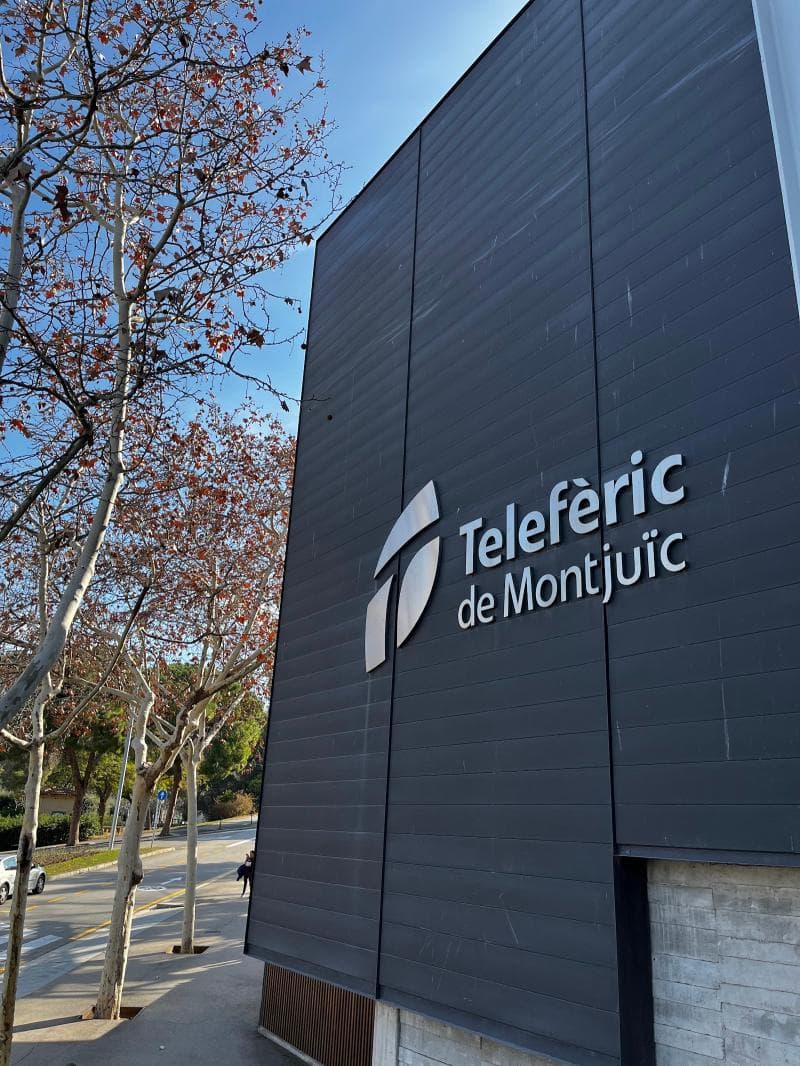
Experience breathtaking panoramic views aboard the Montjuïc Cable Car in Barcelona, Spain. Ascend to the historic Montjuïc Castle for stunning vistas.
Overview
Soaring gracefully above the vibrant city of Barcelona, the Montjuïc Cable Car, officially known as the Telefèric de Montjuïc, offers an unparalleled aerial journey to the historic Montjuïc mountain. This modern gondola lift provides breathtaking panoramic views as it transports visitors 750 metres from the base station near the Montjuïc Funicular to the summit, culminating at the gates of the venerable Montjuïc Castle. Along its route, which includes a mid-way station at Mirador for downhill stops, passengers are treated to sweeping vistas of Barcelona's iconic skyline, the bustling port, and the shimmering Mediterranean Sea. It's a journey that reveals the city's unique layout, from the architectural marvels like the Sagrada Família to the modern silhouette of the Agbar Tower. This cable car serves not just as a means of transport but as an experience, unveiling the Montjuïc hill's rich tapestry of history, culture, and natural beauty from a unique perspective.
History & Cultural Background
Montjuïc itself is a hill steeped in history, its name believed to derive from 'Mount of the Jews,' referencing a medieval Jewish cemetery once located on its slopes. Dominating its summit is the Montjuïc Castle, a military fortress whose origins date back to the 17th century. The castle has witnessed centuries of Barcelona's past, evolving from a strategic defense point to a military prison and even an execution site, notably for Catalan President Lluís Companys in 1940. The modern Telefèric de Montjuïc, as we know it today, began operations in 1970, replacing an earlier upper section of the Montjuïc funicular. It underwent a significant transformation between 2004 and 2007, during which its original open cars were replaced with 55 new, enclosed, and fully accessible cabins, greatly enhancing its capacity and comfort.
It is important not to confuse the Telefèric de Montjuïc with the older Port Cable Car, the Transbordador Aeri del Port. The Port Cable Car, envisioned by architect Carles Buïgas, was designed in 1926 to connect the 1929 International Exposition's maritime section with Montjuïc. It eventually opened in 1931. Montjuïc mountain also played a pivotal role in two major events that shaped modern Barcelona: the 1929 International Exposition, which brought forth grand avenues, palaces like the Palau Nacional, and the iconic Magic Fountain, and the 1992 Summer Olympics, for which the hill hosted several key venues, including the Olympic Ring.
What Makes It Special
The Montjuïc Cable Car offers more than just a ride; it is a 'floating viewpoint' that provides an ever-changing canvas of Barcelona's urban sprawl, historical landmarks, and natural surroundings. Its glass-encased cabins ensure unobstructed, 360-degree views, allowing passengers to spot architectural gems like the Sagrada Família, the contemporary Agbar Tower, and the sprawling port area, all while gliding towards the ancient Montjuïc Castle. The journey itself is a marvel of engineering, climbing approximately 84.5 to 85.5 metres in elevation and incorporating a distinctive 90-degree turn at the Mirador station, offering a unique perspective of the city as the cabin changes direction. Furthermore, its strategic location provides direct access to a wealth of attractions on Montjuïc, including the Fundació Joan Miró, the National Art Museum of Catalonia (MNAC), the Poble Espanyol, the Botanical Garden, and the Olympic Ring, making it a gateway to a day of exploration.
Stories, Fun Facts & Local Details
One fascinating aspect of the Montjuïc Cable Car's story lies in the slight confusion it sometimes creates with its older, distinct counterpart, the Port Cable Car. While both offer aerial views, they serve different routes and purposes, each with its own history. The Telefèric de Montjuïc is focused solely on ascending the Montjuïc hill from its mid-slope. The journey itself is relatively brief, lasting about 8 to 10 minutes, yet it packs a powerful visual punch, making every second count. The mid-way station, Mirador, translates to 'sea-view' or 'viewpoint,' perfectly describing the stunning vistas available there, especially on the downhill return journey. For those seeking the most enchanting experience, locals often recommend timing a ride for early evening. This allows visitors to witness a breathtaking Barcelona sunset, painting the sky with warm hues as the city lights begin to twinkle below. Beyond the scenic ride, Montjuïc Castle's complex history as a former military prison adds a poignant layer of cultural depth, reminding visitors of Barcelona's tumultuous past and its enduring spirit.
Visitor Perspective
The Montjuïc Cable Car is designed to be accessible and convenient for all travelers. Its modern cabins can comfortably accommodate up to eight passengers and are fully wheelchair accessible, ensuring that everyone can enjoy the panoramic journey. To reach the cable car's base station, travelers can easily take the Montjuïc Funicular from the Paral·lel metro station (served by L2 and L3 lines), which seamlessly connects to the cable car. Alternatively, local bus lines 55 and 150 also provide direct access. The cable car operates with varying hours depending on the season, so it's advisable to check the schedule in advance. Tickets can be purchased online or at the stations, with special rates for children and free admission for those under four years old. Visitors have the flexibility to hop on and off at any of its three stations—Parc de Montjuïc, Mirador, and Castell de Montjuïc—to explore the surrounding gardens, museums, and viewpoints at their own pace, making it an ideal choice for a half-day or full-day excursion on Montjuïc.
Coordinates: 2.164672, 41.369014
View on Google Maps💬 How Travelers Describe This Place
Based on community votes
Interesting
838Unique
685Beautiful
539Photogenic
421Must See
369
Traveler Stories
Discover memorable experiences shared by travelers who have visited this place.
No traveler stories yet.
Be the first traveler to share what made this place memorable.

Tour
By
Spot
Discover amazing places around the world. Your journey starts here.
Explore
© 2026 TourBySpot. All rights reserved.