Botanical Garden
Barcelona, Spain
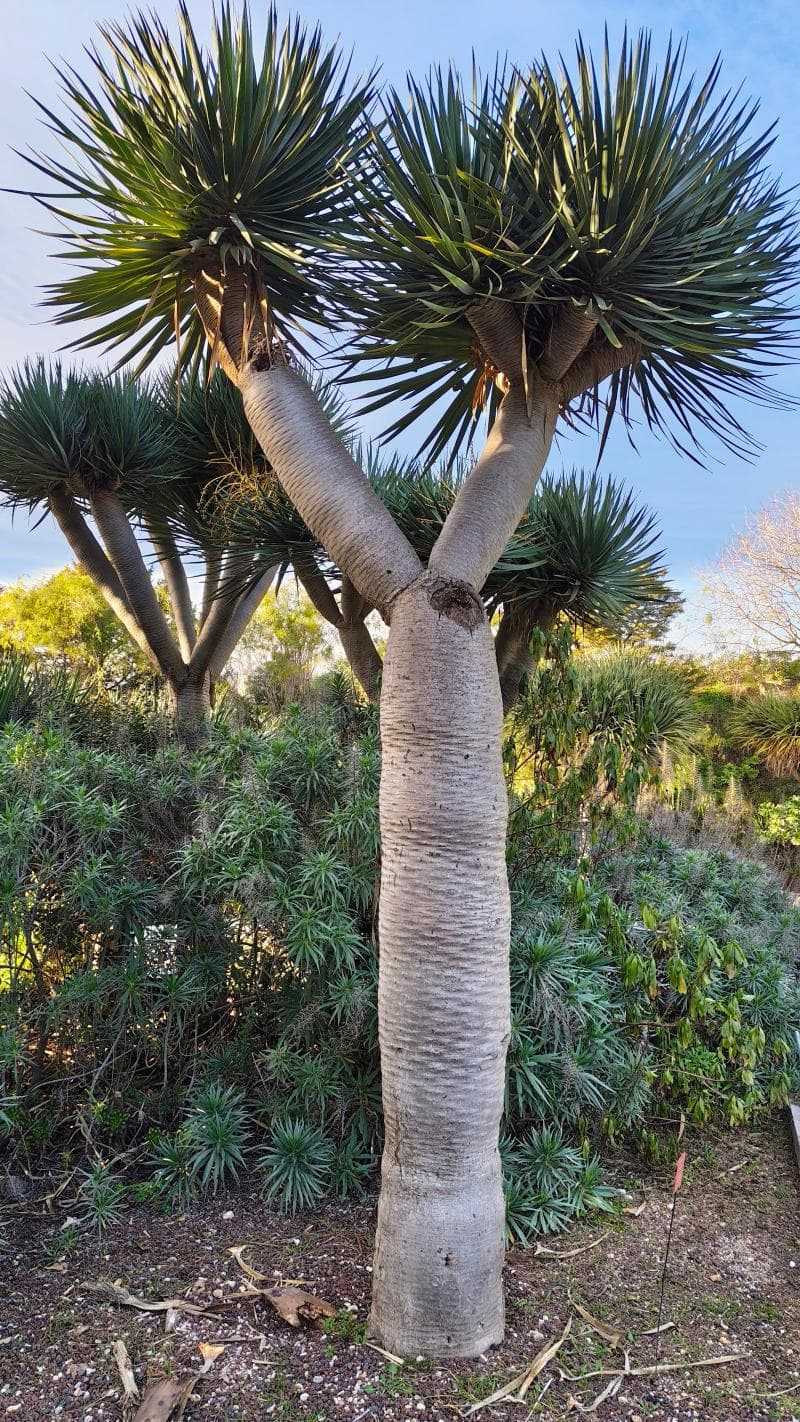
Explore the Botanical Garden of Barcelona, Montjuïc, Spain. Discover global Mediterranean flora, stunning views, and dedicated conservation efforts.
Overview
Nestled on the verdant slopes of Montjuïc hill in Barcelona, Spain, the Botanical Garden (Jardí Botànic de Barcelona) offers a captivating journey through the world's Mediterranean climates. Inaugurated in 1999, this expansive 14-hectare garden stands as a modern marvel of botanical science and landscape design. It is strategically positioned between the iconic Olympic Stadium, the historic Montjuïc Castle, and the New Cemetery, providing breathtaking vistas of the Llobregat Delta, the Olympic Ring, and the sprawling Barcelona metropolitan area, framed by the Garraf Massif and Collserola mountains. The garden is home to over 1,300 species of plants, meticulously arranged to showcase the rich diversity of flora found in regions sharing a Mediterranean climate, from Australia to California. Functioning as a vital component of the Museum of Natural Sciences of Barcelona, the Botanical Garden is not merely a display but a dynamic center for conservation, research, and education.
History & Cultural Background
The story of Barcelona's Botanical Garden is deeply intertwined with the city's urban and scientific development. While the current garden on Montjuïc opened its gates in 1999, it is important to acknowledge its predecessor, the Historic Botanical Garden (Jardí Botànic Històric), established in 1930, which still exists and can be visited nearby on Montjuïc. The inception of the new garden was spurred by a challenging turn of events: the original Historic Garden suffered significant damage in 1986 during the construction of access roads for the 1992 Olympic Games. This unfortunate incident, however, catalyzed the creation of a new, larger, and more ambitious botanical sanctuary designed to become a global reference for Mediterranean flora conservation.
The design of the contemporary Botanical Garden was a collaborative effort by a multidisciplinary team, including architects Carles Ferrater and Josep Lluís Canosa, landscape architect Bet Figueras, biologist Joan Pedrola, and horticulturist Artur Bossy. Their vision integrated the garden seamlessly with Montjuïc's natural topography, minimizing earth movement while creating a natural amphitheater layout. The site also proudly hosts the Institut Botànic de Barcelona (Botanical Institute of Barcelona), a prestigious research center jointly managed by the Barcelona City Council and the Spanish National Research Council (CSIC). This institute boasts an extensive library and one of Catalonia's largest herbaria, furthering botanical research and documentation. The institute also preserves valuable collections from historical Catalan botanists, such as the Salvador family, who were prominent naturalists from the 17th to the 19th centuries.
What Makes It Special
What truly sets the Botanical Garden of Barcelona apart is its unique thematic organization and profound commitment to biodiversity. Unlike traditional gardens, it presents a 'living museum' concept, where plants are grouped geographically by their native Mediterranean climate regions from around the globe. Visitors can explore distinct sections representing flora from Australia, California, Chile, South Africa, the Eastern and Western Mediterranean, and even a specific area dedicated to the Canary Islands. This ingenious layout not only offers an educational comparison of similar ecosystems across continents but also provides a continually evolving display of plant life.
At its core, the garden is a dedicated center for the ex-situ conservation of Mediterranean biodiversity, with a particular focus on species native to Catalonia and other endangered flora. Its nurseries and greenhouses actively cultivate and maintain plants for scientific and educational purposes, introducing new species regularly while monitoring their adaptation to the local climate. The garden's design itself is special, utilizing the natural terrain of Montjuïc to create a series of gentle slopes and pathways that highlight the ecological affinities of the plant groupings. Beyond its vast collections, the garden also features a notable assortment of Mediterranean bonsai and incorporates aromatic plants along its routes, enhancing the experience for all visitors, including those with visual impairments.
Stories, Fun Facts & Local Details
The global distribution of Mediterranean climates is a fascinating aspect highlighted by the garden; these unique climate zones, characterized by dry, hot summers and mild, wet winters, account for only about 5% of the Earth's land surface. Yet, within this limited area, an incredible diversity of plant life thrives, an enduring testament to nature's adaptability. The Botanical Garden provides a tangible demonstration of this phenomenon, showing how plants from disparate parts of the world have evolved similar traits to survive in comparable conditions. While exploring, you might discover that the garden continually monitors and sometimes removes species that fail to adapt, reflecting the ongoing, dynamic process of natural selection within its curated environment.
One intriguing local detail involves the nearby Historic Botanical Garden. Due to its location within two hollows formed from an old quarry, it possesses a unique microclimate where temperatures can be several degrees cooler than the surrounding Montjuïc area. This allows it to host Euro-Siberian species that thrive in colder conditions, showcasing a different botanical narrative within the broader Montjuïc park. For those interested in local efforts, the Montjuïc park also encompasses community gardens, such as the 'Hort de la Masia de l'Antic Jardí Botànic,' which promotes traditional landrace conservation. The ambition of the Jardí Botànic de Barcelona is notable too; while currently showcasing over 1,300 species, its long-term goal is to expand its collection to 4,000 Mediterranean species from across the globe.
Visitor Perspective
For the curious traveler, a visit to Barcelona's Botanical Garden on Montjuïc promises a tranquil and insightful experience. The garden is thoughtfully designed to be largely accessible, with most of its pathways accommodating wheelchairs, though some sections, like the bonsai collection, might present sandy terrain. Wide ramps, some with a 10% gradient, guide visitors through the various geographical sections, making it an enjoyable, albeit sometimes undulating, walk. Comfortable walking shoes are highly recommended to fully explore the extensive zigzagging routes and slopes.
Visitors can typically spend around two hours immersed in the botanical wonders, discovering plant species from distant lands that share a Mediterranean heritage. For a more personalized experience, free guided tours in Catalan and Spanish are offered on weekends by the Friends of the Botanical Garden Association, providing deeper insights into the collections and conservation efforts. To avoid larger crowds and enjoy a more serene ambiance, it is advisable to visit on weekdays rather than Thursdays or weekends. Beyond the flora, the garden frequently hosts temporary exhibitions at the Botanic Institute, offering additional cultural and scientific engagement for those interested in expanding their knowledge. It's a place where you can connect with nature, learn about global ecosystems, and appreciate the dedicated work of conservationists, all while enjoying some of the most panoramic views Barcelona has to offer.
Coordinates: 2.1587, 41.3618
View on Google Maps💬 How Travelers Describe This Place
Based on community votes
Must See
944Beautiful
638Interesting
409Unique
363Photogenic
12
Traveler Stories
Discover memorable experiences shared by travelers who have visited this place.
No traveler stories yet.
Be the first traveler to share what made this place memorable.

Tour
By
Spot
Discover amazing places around the world. Your journey starts here.
Explore
© 2026 TourBySpot. All rights reserved.