National Art Museum of Catalonia
Barcelona, Spain
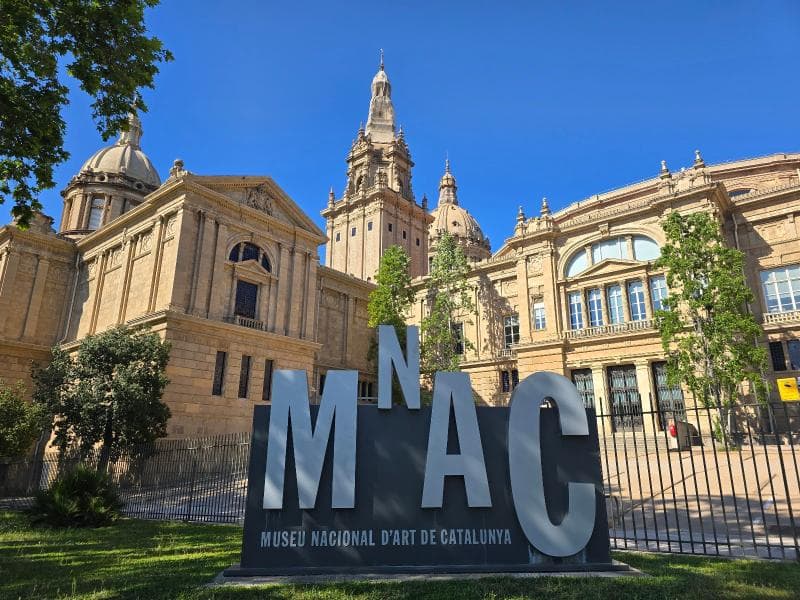
Explore the National Art Museum of Catalonia (MNAC) in Barcelona, Spain. Discover Romanesque frescoes, Gothic art, Modernism, and panoramic city views.
Overview
Perched majestically on Montjuïc Hill in Barcelona, Spain, the National Art Museum of Catalonia, widely known as MNAC, is a cultural beacon housed within the stunning Palau Nacional. This grand institution stands as the city's most important art museum, offering a panoramic journey through over a thousand years of Catalan art, from the Romanesque period to the mid-20th century.
The museum's impressive collections encompass a vast array of artistic disciplines, including painting, sculpture, photography, and decorative arts, with a particular focus on works that illuminate Catalonia's rich history and heritage. Visitors can immerse themselves in masterpieces by renowned artists across various epochs, making MNAC an essential destination for both art enthusiasts and curious travelers alike.
History & Cultural Background
The story of MNAC is deeply intertwined with Barcelona's modern history. Its magnificent home, the Palau Nacional, was originally constructed for the International Exposition of 1929, an event that significantly shaped Montjuïc's landscape.
The museum itself officially opened its doors in 1934 as the Museu d'Art de Catalunya, initially focusing on medieval collections. A pivotal moment arrived in 1990 when, under a new Catalan Museum Law, MNAC was formally established through the merger of the Museu d'Art de Catalunya and the Museu d'Art Modern. Extensive renovations followed, with significant re-openings coinciding with the 1992 Summer Olympic Games for the Oval Hall, and the complete inauguration of the museum in 2004, presenting its comprehensive collection to the world.
A particularly captivating aspect of its history involves the preservation of its renowned Romanesque frescoes. During the 1920s, many murals from remote Pyrenean churches faced threats of theft. Catalan authorities launched a massive rescue operation, carefully transferring these ancient artworks to Barcelona, thus saving them for future generations and forming the core of MNAC's unparalleled Romanesque collection.
What Makes It Special
What truly sets MNAC apart is its extraordinary collection of Romanesque church paintings, considered the finest and most comprehensive in the world. Visitors can walk through recreated church interiors, standing beneath vibrant murals like the iconic Christ in Majesty from Sant Climent de Taüll, experiencing the art as it was originally intended.
Beyond its Romanesque treasures, MNAC offers a rich tapestry of art from different eras. The Gothic altarpieces provide a glimpse into Catalonia's medieval past, while the Renaissance and Baroque sections feature works by European masters such as El Greco, Rubens, Titian, and Velázquez. The museum also proudly showcases Catalan Modernism, with pieces by influential artists like Antoni Gaudí and Ramon Casas, reflecting a vibrant period of artistic and cultural renewal.
The building itself is a masterpiece. The Palau Nacional's neo-Baroque architecture, with its grand central dome and four towers, provides a majestic setting for the art within. Moreover, the museum's rooftop terraces offer breathtaking panoramic views of Barcelona, including the Magic Fountain, Plaça d'Espanya, and even the distant Sagrada Família.
Stories, Fun Facts & Local Details
The story behind the Romanesque collection is a testament to cultural preservation. These 11th to 13th-century frescoes were meticulously removed from churches in the Pyrenees during the early 20th century to protect them from both neglect and the ravages of the Spanish Civil War. This painstaking effort ensured that these invaluable pieces of medieval art could be admired and studied for centuries to come.
A visit to MNAC offers more than just art; it's an immersion into Catalan identity. The revival of Catalan language and culture in the 19th century, a period known as the Renaixença, played a significant role in establishing institutions like this museum to celebrate the region's unique heritage.
Inside the Palau Nacional, the impressive Oval Hall houses one of Europe's largest organs, an instrument 34 meters wide and 11 meters high. This grand space is not just for display; it hosts many of the museum's activities and can be a setting for special events.
For those interested in unique collections, MNAC also houses the Numismatic Cabinet of Catalonia, featuring an astonishing 130,000 coins and medals dating from the 6th century BC to the present day.
Visitor Perspective
To truly appreciate MNAC, visitors should allocate a generous amount of time, typically between 1.5 to 4 hours, depending on their interest in the various collections. The museum is thoughtfully designed for easy navigation, and free audio guides can be downloaded to enhance the experience, highlighting key pieces.
The museum is conveniently located at the foot of Montjuïc, easily accessible by metro (to Plaça d'Espanya, followed by escalators), various bus routes, or hop-on hop-off tourist buses which stop directly at the museum.
For a complete experience, consider timing your visit to coincide with the Magic Fountain show, which takes place directly in front of the museum. While access to the main collections typically requires a ticket, the panoramic rooftop terrace can often be visited for a small fee, even without a full museum ticket, offering unparalleled views.
MNAC also offers free admission on specific days, such as the first Sunday of each month and every Saturday after 3 PM, though online reservations may be required.
Coordinates: 2.15331, 41.36833
View on Google Maps💬 How Travelers Describe This Place
Based on community votes
Photogenic
685Beautiful
672Interesting
539Unique
369Must See
232
Traveler Stories
Discover memorable experiences shared by travelers who have visited this place.
No traveler stories yet.
Be the first traveler to share what made this place memorable.

Tour
By
Spot
Discover amazing places around the world. Your journey starts here.
Explore
© 2026 TourBySpot. All rights reserved.