Mirogoj Cemetery
Zagreb, Croatia
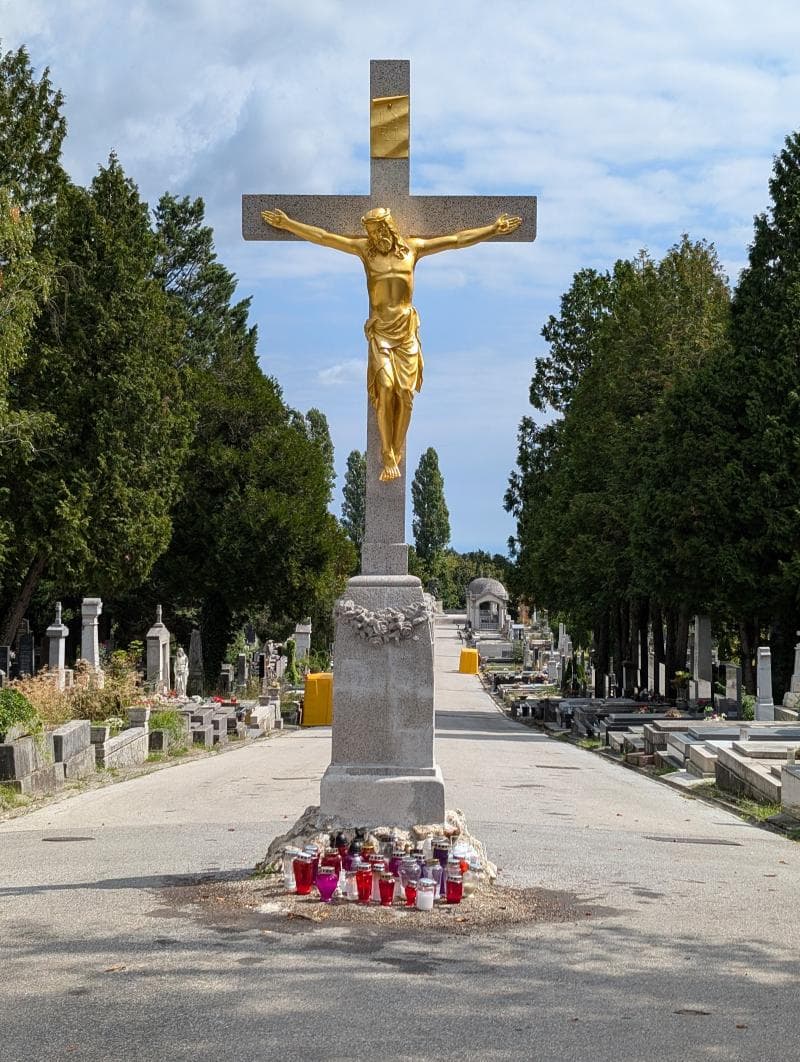
Explore Mirogoj Cemetery in Zagreb, Croatia, a stunning architectural masterpiece and multi-denominational 'Croatian Pantheon' with rich history and art.
Overview
Mirogoj Cemetery, nestled on the verdant slopes north of Zagreb's bustling city center in Croatia, transcends the traditional concept of a burial ground. It is widely regarded as one of Europe's most exquisite and architecturally significant cemeteries, frequently described as an open-air museum or the 'Croatian Pantheon'. Designed by the acclaimed architect Hermann Bollé, Mirogoj is distinguished by its magnificent Neo-Renaissance arcades, elegant cupolas, and serene park-like setting. This unique necropolis serves as a final resting place for people of all faiths, including Catholic, Orthodox, Muslim, Jewish, Protestant, and Latter Day Saints, embodying a remarkable spirit of inclusivity.
History & Cultural Background
The story of Mirogoj begins in 1872 when the City of Zagreb acquired the land, formerly the estate of linguist Ljudevit Gaj. The cemetery was officially inaugurated on November 6, 1876, replacing several older, church-owned cemeteries and becoming the city's central, multi-denominational burial site. Construction of its iconic arcades, cupolas, and the main church commenced in 1879 under the masterful guidance of Hermann Bollé, a German-born architect who also left his mark on Zagreb Cathedral. Due to various challenges, including funding, the elaborate architectural project was not fully completed until 1929, three years after Bollé's own death. Mirogoj's establishment as a city-owned, rather than church-owned, cemetery marked a significant shift, ensuring it welcomed individuals from all religious backgrounds with equal dignity. In more recent history, the cemetery, particularly its historic arcades, sustained notable damage during the 2020 Zagreb earthquake, prompting ongoing restoration efforts.
What Makes It Special
Mirogoj's exceptional appeal lies in its harmonious blend of art, architecture, and a profound sense of shared history. Its Neo-Renaissance design, characterized by symmetry, balance, and clear perspectives, creates a visually stunning environment. The imposing western walls, adorned with copper domes and a continuous line of ivy-draped arcades, are its most recognizable feature, inviting visitors into a realm of solemn beauty. Beyond its architectural grandeur, Mirogoj's multiconfessional nature stands out. It uniquely accommodates graves for Catholics, Orthodox Christians, Muslims, Jews, Protestants, and others, serving as a powerful symbol of religious tolerance and peaceful coexistence in Croatia. As the 'Croatian Pantheon,' it is the final resting place for countless prominent Croatian figures, including the first president Franjo Tuđman, architect Hermann Bollé himself, writer Ivana Brlić-Mažuranić, and basketball legend Dražen Petrović, among many other artists, scientists, and politicians. The cemetery also showcases works by eminent Croatian sculptors, such as Ivan Meštrović and Antun Augustinčić, turning many gravestones into remarkable pieces of art. Numerous memorials dedicated to victims of World War I, World War II, and the Croatian War of Independence further underscore its historical significance.
Stories, Fun Facts & Local Details
Walking through Mirogoj offers a journey through Croatian history, quite literally earning it the moniker 'a book of Croatian history.' The very land it stands upon was once owned by Ljudevit Gaj, a pivotal figure in the Croatian National Revival, adding a layer of national pride to its origins. A particularly atmospheric time to visit is around All Saints' Day on November 1st. On this day, families flock to the cemetery, illuminating the pathways with thousands of candles and flowers, transforming the grounds into a breathtaking spectacle of light and remembrance. Interestingly, the name Zagreb itself is sometimes linked to the cemetery's historical roots; one theory suggests it comes from 'za' (behind) and 'grob' (grave), while another playful tale attributes it to a captain exclaiming 'Zagrabi!' (dig!) upon finding water. Regardless of its linguistic origins, Mirogoj remains a working cemetery that warmly welcomes visitors, treating it as both a solemn monument and a beautiful public park.
Visitor Perspective
Mirogoj Cemetery, located north of Zagreb's city center, is easily accessible for curious travelers. The most convenient way to reach it is by taking bus line 106 from Kaptol, situated near the Zagreb Cathedral; the ride is short and frequent. For those who enjoy a gentle stroll and pleasant scenery, a 25-30 minute uphill walk from the city center offers a rewarding alternative. The cemetery maintains generous opening hours, typically from 6 AM to 8 PM between April and September, and from 7:30 AM to 6 PM from October to March, ensuring ample time for exploration. Admission is free, allowing everyone to experience its beauty and tranquility. Visitors are encouraged to dedicate time to wander through the arcades, admire the intricate sepulchral art, and reflect in its peaceful atmosphere. While restoration work continues following the 2020 earthquake, the cemetery still offers a profound and aesthetically rich experience. For a quieter visit, a weekday morning is ideal, while the vibrant display of candles on All Saints' Day provides a uniquely poignant experience. Guests are respectfully reminded to maintain a quiet demeanor and dress appropriately for a site of remembrance.
Coordinates: 15.986, 45.835
View on Google Maps💬 How Travelers Describe This Place
Based on community votes
Interesting
443Must See
414Unique
310Beautiful
277Photogenic
233
Traveler Stories
Discover memorable experiences shared by travelers who have visited this place.
No traveler stories yet.
Be the first traveler to share what made this place memorable.
Things to see at Mirogoj Cemetery



Tour
By
Spot
Discover amazing places around the world. Your journey starts here.
Explore
© 2026 TourBySpot. All rights reserved.