Chapels
Zagreb, Croatia
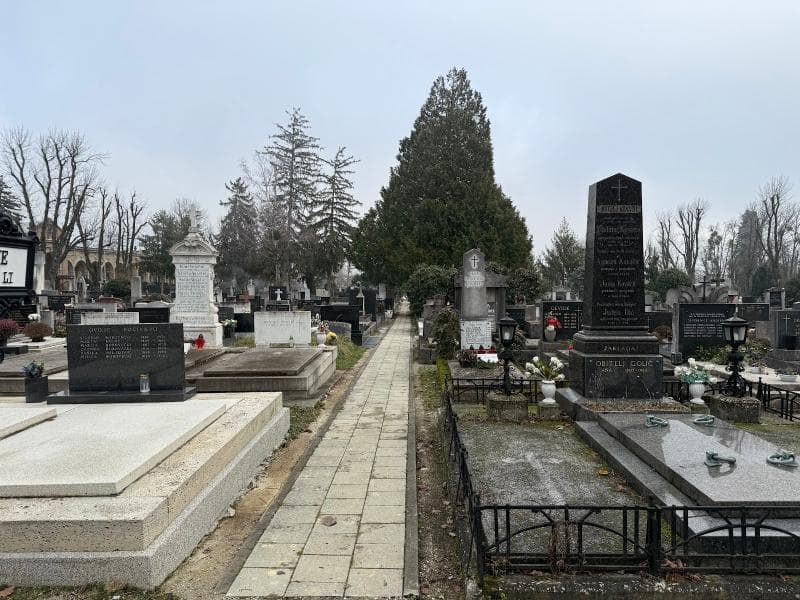
Discover the architectural grandeur and peaceful reverence of the Chapels at Mirogoj Cemetery in Zagreb, Croatia, a stunning open-air museum and Croatian Pantheon.
Overview
Nestled on the slopes of Mount Medvednica in Croatia's vibrant capital, Zagreb, lies the Mirogoj Cemetery, a truly exceptional site renowned not merely as a burial ground but as a breathtaking open-air art gallery and architectural masterpiece. Within this serene landscape, the ‘Chapels’ of Mirogoj stand as prominent features, integral to its unique aesthetic and profound cultural significance. These chapels, particularly the grand Chapel of Christ the King and those integrated into the monumental arcades, embody the vision of architect Hermann Bollé, who designed Mirogoj to be a place of quiet dignity and artistic grandeur. It is a multi-confessional cemetery, welcoming all faiths, a testament to Zagreb's inclusive spirit. Visitors will find themselves enveloped in an atmosphere of peaceful reverence, surrounded by stunning Neo-Renaissance and Neo-Byzantine architecture.
History & Cultural Background
The story of Mirogoj Cemetery begins in the late 19th century when Zagreb, experiencing rapid growth, needed a new, central burial ground to replace its numerous overcrowded church-owned cemeteries. In 1872, the city acquired the sprawling estate of linguist Ljudevit Gaj, a key figure in the Croatian National Revival. The cemetery officially opened its gates on November 6, 1876.
The task of transforming this land into a monumental necropolis fell to the celebrated German-born architect Hermann Bollé. Beginning in 1879, Bollé embarked on his most ambitious project: the construction of the cemetery's iconic arcades, cupolas, and the central church. His design, characterized by a blend of Neo-Renaissance and Neo-Byzantine styles, aimed to create a harmonious and aesthetically pleasing environment. The construction was a lengthy endeavor, plagued by funding issues, and was only fully completed in 1929, three years after Bollé's death.
Culturally, Mirogoj was revolutionary for its time. Unlike previous cemeteries, it was city-owned and designed to accommodate all religious groups—Catholic, Orthodox, Muslim, Jewish, Protestant, and others—on equal footing, reflecting a remarkable spirit of tolerance and unity. This foundational principle is still evident in the diverse array of graves and chapels found throughout the grounds.
What Makes It Special
What truly sets the Chapels of Mirogoj apart is their seamless integration into the cemetery's overall architectural marvel. The imposing main entrance is graced by the Chapel of Christ the King, a Catholic church with a distinctive copper-green dome that serves as a focal point.
Beyond the entrance, the grand arcades stretch for hundreds of meters, housing family crypts and individual tombs. These arcades are punctuated by elegant pavilions and smaller chapels, each contributing to the cemetery's reputation as an open-air art gallery. The harmony between these structures, the domes, and the meticulously maintained park-like setting creates a visual spectacle that transcends the typical perception of a cemetery.
Many of these chapels and the arcade walls themselves feature impressive funerary art, including sculptures by renowned Croatian artists such as Ivan Meštrović, Antun Augustinčić, and Dušan Džamonja. This artistic richness, combined with the final resting places of countless prominent Croats—artists, writers, scientists, and politicians—has earned Mirogoj the affectionate title of the 'Croatian Pantheon.' Visiting the chapels offers a unique opportunity to appreciate this blend of architectural genius, sculptural artistry, and national heritage.
Stories, Fun Facts & Local Details
One fascinating detail is that the very land Mirogoj occupies was once the stately summer mansion and vineyard of Ljudevit Gaj, whose financial troubles ultimately led to its sale to the city. Bollé himself, the visionary architect of Mirogoj, is also interred within the cemetery he so meticulously designed. Though not directly a chapel, the 'Russian Chapel' is sometimes mentioned as part of Mirogoj's diverse religious sections, highlighting its inclusive nature.
Locals often visit Mirogoj, especially on All Saints' Day, to light candles and pay respects, transforming the cemetery into a sea of flickering lights and a powerful symbol of remembrance. Sadly, in 2020, Zagreb was hit by two significant earthquakes that caused considerable damage to the arcades, pavilions, and the Church of Christ the King, underscoring the fragility of these historic structures. Extensive restoration efforts are ongoing to preserve this invaluable cultural heritage.
Visitor Perspective
For the curious traveler, a visit to the Chapels at Mirogoj Cemetery offers a profoundly moving and aesthetically enriching experience. It is a place that invites quiet contemplation and respectful exploration, feeling more like a grand park or museum than a typical graveyard. Allow yourself at least two to three hours to wander through the arcades, admire the architectural details of the chapels, and observe the diverse funerary monuments.
When visiting, remember that Mirogoj is an active cemetery. Maintaining a low voice, being mindful of mourners, and respecting the solemnity of the place are paramount. It is easily accessible by public transport; bus line 106 departs regularly from Kaptol, near Zagreb's Cathedral, taking you directly to the cemetery entrance. The cemetery has seasonal opening hours, generally from early morning to early evening, so it's wise to check these before your visit to ensure ample time to soak in the tranquil beauty of its chapels and grounds.
Coordinates: 15.986, 45.835
View on Google Maps💬 How Travelers Describe This Place
Based on community votes
Photogenic
846Must See
564Beautiful
201Unique
121Interesting
87
Traveler Stories
Discover memorable experiences shared by travelers who have visited this place.
No traveler stories yet.
Be the first traveler to share what made this place memorable.

Tour
By
Spot
Discover amazing places around the world. Your journey starts here.
Explore
© 2026 TourBySpot. All rights reserved.