Sculptures
Zagreb, Croatia
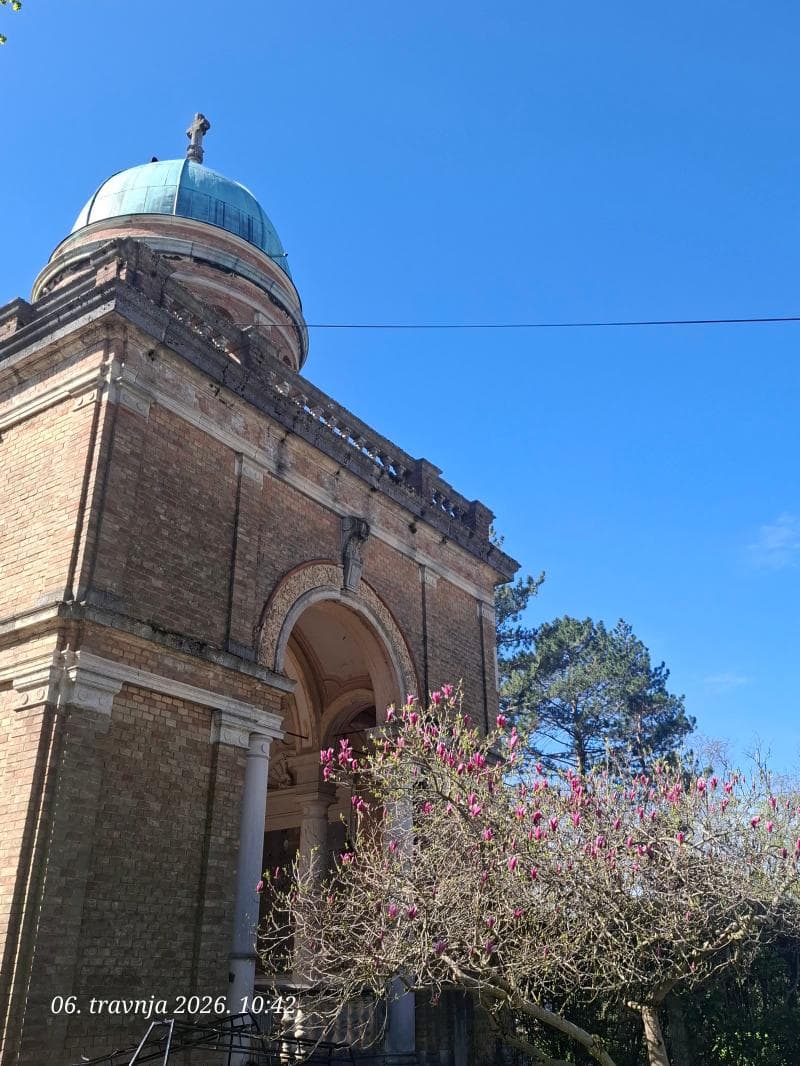
Explore the magnificent sculptures and art at Mirogoj Cemetery in Zagreb, Croatia, a stunning open-air gallery and final resting place for many notable Croats.
Overview
Mirogoj Cemetery, nestled on the slopes of Medvednica mountain in Zagreb, Croatia, transcends the traditional definition of a burial ground, emerging instead as a remarkable open-air art gallery and a serene sculpture park. It is widely acclaimed as one of Europe's most beautiful cemeteries, captivating visitors with its monumental architecture, lush greenery, and a profound sense of history. More than just a final resting place, Mirogoj stands as a cultural landmark where art, architecture, and remembrance converge, offering a unique and contemplative experience for all who visit.
History & Cultural Background
The history of Mirogoj Cemetery dates back to 1876 when it was established on land formerly owned by linguist Ljudevit Gaj. The city of Zagreb acquired the plot in 1872, envisioning a new public cemetery. The task of designing this monumental space fell to the renowned Austrian architect Hermann Bollé, who also left his mark on other iconic Zagreb structures like the Zagreb Cathedral. Construction of the impressive arcades, domes, and central buildings began in 1879, though due to funding challenges, the entire complex was not fully completed until 1929.
Culturally, Mirogoj holds immense significance as Zagreb's first multi-confessional public cemetery. Unlike older, church-owned cemeteries, Mirogoj was designed to inter members of all religious groups – Catholic, Orthodox, Muslim, Jewish, Protestant, and Latter Day Saints – alongside irreligious individuals. This inclusive approach reflects a deep-rooted respect for diverse beliefs, making it a powerful symbol of Croatia's multicultural heritage and a national Pantheon for many distinguished figures.
What Makes It Special
What truly sets Mirogoj apart are its magnificent sculptures and the seamless integration of art within its architectural grandeur. The cemetery's neo-Renaissance design, characterized by symmetry, balance, and clear perspectives, provides a stunning backdrop for an extraordinary collection of sepulchral art. The breathtaking arcades, with their graceful arches and ivy-covered facades, house a plethora of artistic mausoleums and graves. These are not mere gravestones but intricate works of art, transforming the entire complex into a monumental gallery.
The works found here are by some of Croatia's most eminent sculptors, contributing significantly to the cemetery's status as an 'open art gallery'. This artistic richness, combined with the peaceful, park-like ambiance, creates an environment that encourages contemplation and appreciation for both human creativity and the cycles of life and remembrance.
Stories, Fun Facts & Local Details
Many of the sculptures within Mirogoj are the masterpieces of celebrated Croatian artists. Visitors can discover works by the likes of Ivan Meštrović, considered Croatia's most famous modern sculptor, along with Antun Augustinčić, Dušan Džamonja, Robert Frangeš Mihanović, and Edo Murtić. Each sculpture tells a story, often allegoric, depicting the profound emotions of sadness, hope, and memory.
Mirogoj is also the final resting place for many notable Croats, making a stroll through its paths a journey through the nation's history. Here lie politicians such as Franjo Tuđman, Croatia's first president, whose modern black-marble monument is a striking sight. Sports fans might seek out the grave of legendary NBA basketball player Dražen Petrović, one of the most visited sites. The cemetery's atmosphere is particularly poignant around All Saints' Day (November 1st), when thousands of flickering candles illuminate the graves, creating a moving and unforgettable spectacle as locals pay their respects.
Visitor Perspective
Visiting the 'Sculptures' at Mirogoj Cemetery offers a profoundly unique travel experience, far removed from a typical tourist attraction. It is a place for quiet reflection and appreciation. To reach this historical site from Zagreb's city center, the easiest way is by taking public transport, specifically bus line 106 from Kaptol, which provides a direct and frequent connection. Entry to the cemetery is free, allowing ample time for exploration.
For a peaceful and contemplative visit, it's recommended to go early in the morning or late afternoon, especially on weekdays, to avoid crowds and fully immerse oneself in the tranquil ambiance. While exploring, visitors are encouraged to maintain a calm and respectful pace, recognizing that Mirogoj is still an active cemetery. The sheer volume and artistic quality of the sculptures, combined with the impressive architecture, ensure that even those who typically bypass cemeteries will find Mirogoj an enriching and memorable destination.
Coordinates: 15.986, 45.835
View on Google Maps💬 How Travelers Describe This Place
Based on community votes
Unique
886Interesting
564Must See
443Beautiful
233Photogenic
201
Traveler Stories
Discover memorable experiences shared by travelers who have visited this place.
No traveler stories yet.
Be the first traveler to share what made this place memorable.

Tour
By
Spot
Discover amazing places around the world. Your journey starts here.
Explore
© 2026 TourBySpot. All rights reserved.