Pathways
Zagreb, Croatia
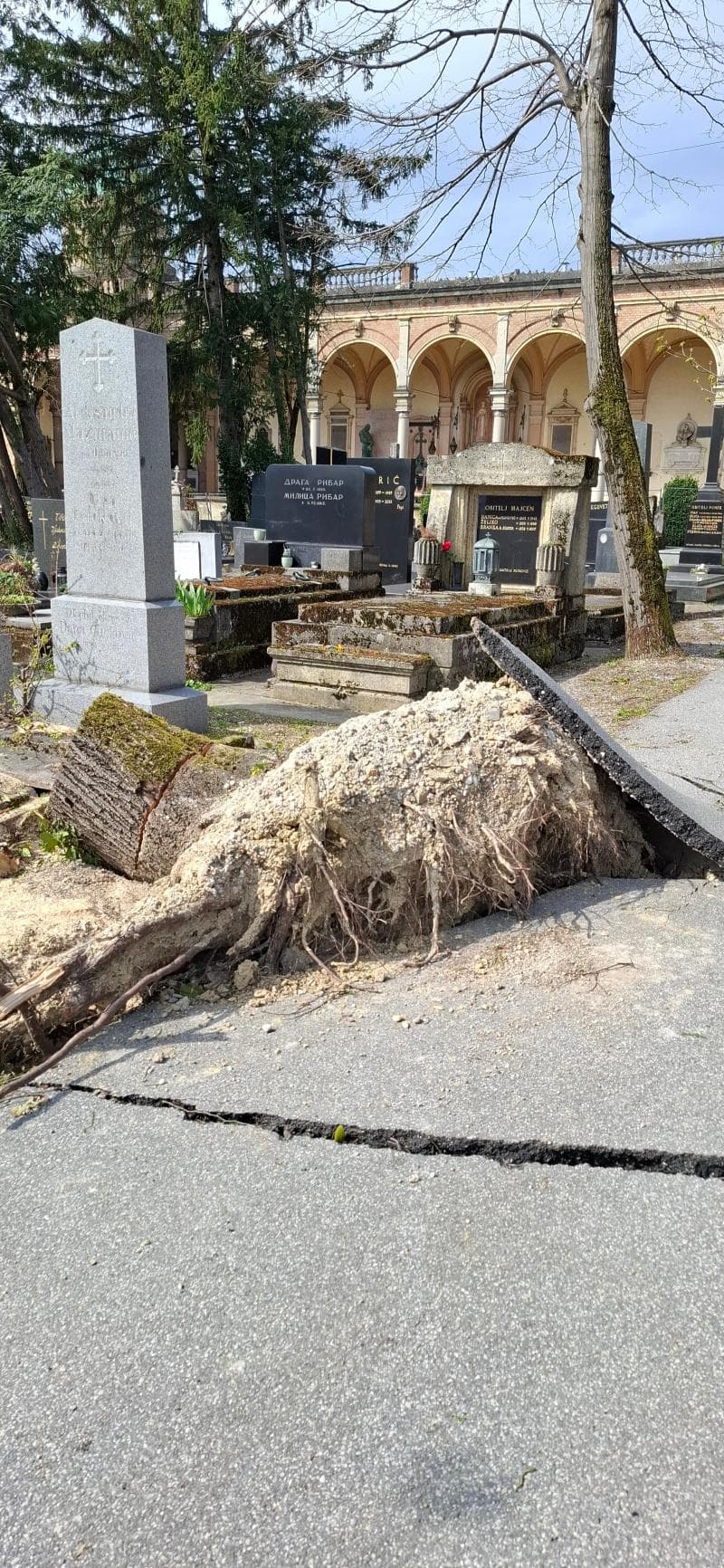
Explore the beautiful Mirogoj Cemetery in Zagreb, Croatia. Wander its serene pathways and admire the stunning Neo-Renaissance arcades, historical tombs, and status as Croatia's national pantheon. Discover a unique open-air museum.
Overview
Nestled against the verdant slopes of Medvednica Mountain in Zagreb, Croatia, Mirogoj Cemetery is far more than a simple burial ground; it is an exquisite cemetery park and an open-air architectural museum. Often cited as one of Europe's most beautiful cemeteries, Mirogoj captivates visitors with its stunning Neo-Renaissance design, lush natural surroundings, and profound sense of peace. Its defining feature, and what many refer to as its 'pathways,' are the magnificent arcades that embrace the main entrance and central grounds, inviting slow, reflective strolls through a landscape rich in history and art.
Established as a communal space, Mirogoj uniquely transcends religious divides, serving as the final resting place for individuals of all faiths, including Catholic, Orthodox, Muslim, Jewish, Protestant, and Latter Day Saints, fostering an atmosphere of universal dignity and respect. The tranquil pathways, adorned with intricate sculptures and verdant flora, offer a journey through Croatian heritage, making it a compelling destination for those seeking both cultural enlightenment and quiet contemplation.
History & Cultural Background
The history of Mirogoj Cemetery began in 1876 when it was inaugurated on land once belonging to the prominent linguist Ljudevit Gaj, a key figure in the Croatian National Revival. The vision for this monumental space was brought to life by the renowned German architect Herman Bollé, whose influence is also seen in Zagreb's iconic Cathedral. Bollé embarked on the ambitious project of constructing the cemetery's signature arcades in 1879.
However, the construction was a protracted endeavor, facing funding challenges and continuing even after Bollé's death in 1926, eventually reaching completion only in 1929. Unlike older, church-owned cemeteries, Mirogoj was the first public, city-owned cemetery in Zagreb, embracing a multi-denominational approach from its inception. Its inclusive nature and the interment of numerous Croatian dignitaries have earned it the revered title of Croatia's national Pantheon.
Mirogoj's historical significance is further underscored by its inclusion in the European Cemeteries Route, recognizing its architectural and cultural importance. Unfortunately, the cemetery's architectural treasures, including its famous arcades, suffered significant damage during the devastating earthquakes that struck Zagreb in March and December 2020, prompting urgent preservation efforts.
What Makes It Special
The 'pathways' of Mirogoj are epitomized by its breathtaking Neo-Renaissance arcades, a truly unique feature that sets it apart. These grand, covered walkways, adorned with domes and pavilions, stretch along the western wall, creating an awe-inspiring architectural boundary. Walking beneath these arches, visitors encounter an extraordinary collection of tombs and mausoleums, each a miniature work of art reflecting diverse artistic styles and personal histories.
Bollé's design masterfully blends monumental architecture with the tranquility of a park-like environment, featuring well-maintained lawns, vibrant flowerbeds, and mature trees such as linden, wild chestnut, maple, and spruce. This harmonious integration of nature and artistry transforms the cemetery into an open-air gallery, where every turn along the paths reveals sculptural details and impressive funerary art. The architectural consistency and the serene atmosphere invite a contemplative experience, fostering a deep connection to Zagreb's past and the lives commemorated within.
Stories, Fun Facts & Local Details
Mirogoj is often referred to as the 'Croatian Pantheon' because it serves as the final resting place for countless significant figures who shaped Croatian history, culture, and art. Famous interments include Croatia's first president Franjo Tuđman, linguist Ljudevit Gaj, poets Petar Preradović and August Šenoa, and basketball legend Dražen Petrović, among many others. One fascinating historical detail is the resilience of Bollé's arcades; despite a severe earthquake hitting Zagreb in 1880, shortly after their initial construction, the arcades sustained no damage, a testament to their robust design and quality.
The concept of thematic pathways, such as 'The Writers' Alley,' has been developed to guide visitors to the graves of prominent Croatian literary figures, offering a deeper interpretive layer to the cemetery experience. This highlights how the pathways are not just physical routes but also narrative threads through the city's collective memory. For visitor convenience, especially for senior citizens, electromobile transport services are available, allowing everyone to comfortably explore the vast grounds.
Visitor Perspective
A visit to Mirogoj Cemetery is a uniquely peaceful and profoundly moving experience, often described as an essential half-day outing in Zagreb. The quiet paths and monumental arcades encourage slow movement and reflection, offering a tranquil escape from the bustling city. Visitors are encouraged to treat it as a working cemetery, maintaining low voices and respecting ongoing memorial services.
The cemetery's beauty transforms with the seasons, from spring blossoms and summer's lush greenery to the fiery hues of autumn and the serene stillness of winter, offering a different ambiance each time. Its accessibility by public transport, specifically bus line 106 from Kaptol, makes it an easy destination for curious travelers. Mirogoj truly stands as a place where architectural grandeur, artistic expression, and historical narratives converge along its solemn yet beautiful pathways, inviting every visitor to connect with Croatia's rich past.
Coordinates: 15.986, 45.835
View on Google Maps💬 How Travelers Describe This Place
Based on community votes
Unique
826Must See
800Beautiful
387Interesting
242Photogenic
82
Traveler Stories
Discover memorable experiences shared by travelers who have visited this place.
No traveler stories yet.
Be the first traveler to share what made this place memorable.

Tour
By
Spot
Discover amazing places around the world. Your journey starts here.
Explore
© 2026 TourBySpot. All rights reserved.