Latvian Ethnographic Open-Air Museum
Riga, Latvia
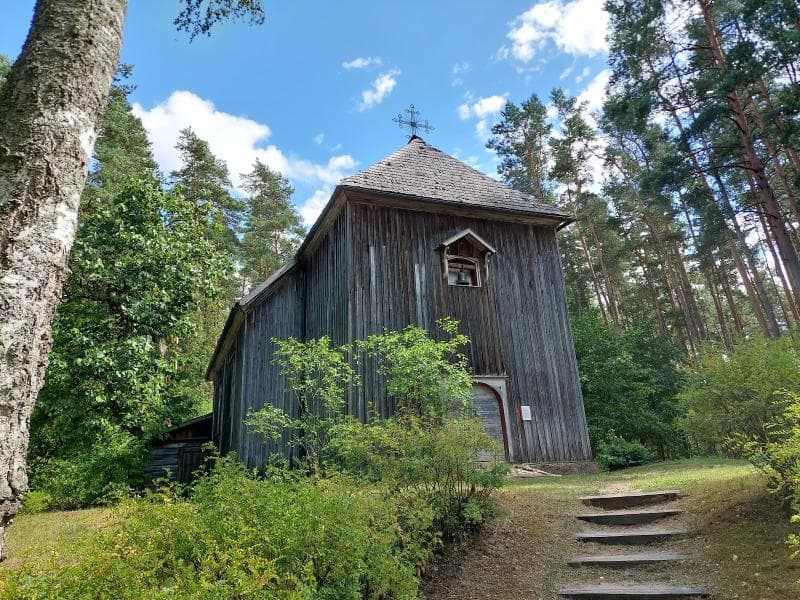
Explore the Latvian Ethnographic Open-Air Museum in Riga, Latvia, one of Europe's oldest, showcasing authentic rural life and architecture.
Overview
Nestled on the picturesque shores of Lake Jugla, just outside Riga, the Latvian Ethnographic Open-Air Museum offers a captivating journey into Latvia's rich rural past. Spanning an expansive 87 hectares of wooded land, this museum is one of Europe's oldest and largest open-air museums, showcasing 118 authentic historical buildings. It provides a unique opportunity to explore the traditional lifestyle, architecture, and cultural heritage of Latvian peasants, craftsmen, and fishermen from the late 17th century to the mid-20th century. Visitors can wander through meticulously preserved farmsteads, churches, windmills, and workshops, all transported from Latvia's four historical regions: Kurzeme, Vidzeme, Zemgale, and Latgale.
History & Cultural Background
The vision for the Latvian Ethnographic Open-Air Museum emerged in 1924, inspired by the success of Scandinavian open-air museums, particularly Skansen in Stockholm. The idea was to create a living exhibition by relocating original homesteads from across Latvia's diverse regions. The Latvian Council of Monuments initiated the project, aiming to preserve examples of traditional rural architecture and the disappearing lifestyle threatened by modernization. The first building, an 18th-century barn from Vestiena parish, was relocated and reconstructed in 1928. By 1932, the museum opened to the public with six buildings, primarily from the Vidzeme region, and by 1939, it boasted 40 structures. The museum continued to grow, even during challenging historical periods, and after Latvia regained independence in 1991, it expanded its collection to include heritage from the 1920s and 1930s, reflecting the agrarian reforms of that era.
What Makes It Special
The true magic of the Latvian Ethnographic Open-Air Museum lies in its authenticity; its buildings weren't merely replicated but were carefully dismantled, transported, and reassembled on site, preserving their original character and historical integrity. Each structure, whether a humble fisherman's hut or an elaborate craftsman's home, tells a genuine story of life as it once was. The museum effectively brings together the distinct architectural styles and living conditions from all four of Latvia's cultural-historical regions in one place. It's a comprehensive tableau of rural existence, complete with authentic interiors, tools, and household items, showcasing the varied occupations and daily routines of past generations.
Stories, Fun Facts & Local Details
Beyond static displays, the museum is a vibrant hub of cultural activity. Since 1971, it has hosted the annual Traditional Craft Fair, an event of national significance that draws tens of thousands of visitors and hundreds of craftsmen and food vendors. This fair, held traditionally on the first weekend of June, offers a unique glimpse into traditional Latvian applied arts and crafts. Throughout the year, the museum organizes various cultural events, folk concerts, and celebrations of seasonal festivals, immersing visitors in traditional Latvian music, dance, and customs. Visitors can often witness live craft demonstrations, try their hand at activities like pottery making, basket weaving, or even forging coins, and sample traditional Latvian cuisine. The 'New Farmers' House,' opened in 1997, is a fascinating addition, specifically illustrating life during the agrarian reforms of the 1920s and 30s. It's an immersive experience that highlights 'Life Before Electricity' and provides a tangible sense of the resilience and ingenuity of past generations.
Visitor Perspective
A visit to the Latvian Ethnographic Open-Air Museum is more than just a museum tour; it's an enchanting walk through history set in a serene natural environment. Strolling along the forest paths, visitors discover each homestead and building, feeling as though they've stepped back in time. The large, natural setting, often described as peaceful and idyllic, makes it an ideal place for families, friends, and curious travelers to spend quality time. The museum offers clear explanations and descriptions in English, sometimes accompanied by guides in period costumes, enhancing the educational experience. It encourages engagement, allowing visitors to connect with Latvia's roots, understand its traditions, and appreciate the lives of those who shaped the country's heritage. Whether exploring the intricate details of a traditional sauna house or admiring an ancient windmill, the museum offers a meaningful and memorable journey into the heart of Latvian culture.
Coordinates: 24.27724, 56.9906
View on Google Maps💬 How Travelers Describe This Place
Based on community votes
Interesting
934Beautiful
879Unique
741Must See
396Photogenic
276
Traveler Stories
Discover memorable experiences shared by travelers who have visited this place.
No traveler stories yet.
Be the first traveler to share what made this place memorable.
Things to see at Latvian Ethnographic Open-Air Museum



Tour
By
Spot
Discover amazing places around the world. Your journey starts here.
Explore
© 2026 TourBySpot. All rights reserved.