Lakeside Paths
Riga, Latvia
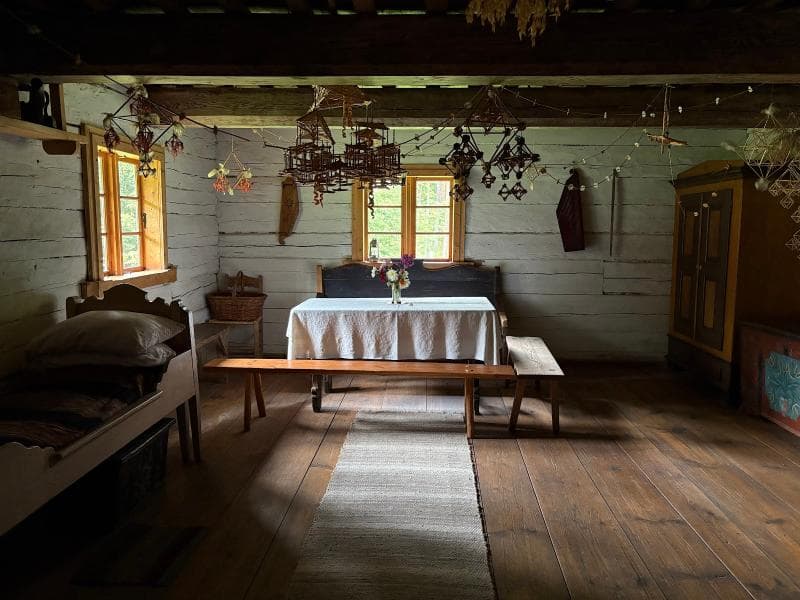
Explore the tranquil Lakeside Paths of the Latvian Ethnographic Open-Air Museum in Riga, Latvia, blending history with nature.
Overview
Nestled on the serene shores of Lake Jugla, just outside Riga, lies the Latvian Ethnographic Open-Air Museum, a sprawling testament to Latvia's rich rural heritage. Within its expansive 87-hectare grounds, what travelers often refer to as the 'Lakeside Paths' are not just trails but an integral part of an immersive journey back in time. These paths wind through a magnificent pine forest and along the tranquil waters of the lake, connecting visitors to over 100 meticulously preserved historical buildings that tell the story of Latvian peasant life from the late 17th to the mid-20th century. Here, the natural environment complements the cultural exhibits, offering a unique blend of education and peaceful exploration.
History & Cultural Background
The Latvian Ethnographic Open-Air Museum was established in 1924, inspired by the open-air museum movement in Scandinavia, particularly Skansen in Stockholm. Its visionary founders sought to preserve the vanishing architectural and cultural traditions of Latvia's countryside. The ambitious plan involved relocating authentic homesteads, churches, windmills, and other structures from all four historical regions of Latvia – Kurzeme, Zemgale, Vidzeme, and Latgale – to one central location. Each building was carefully dismantled, transported, and meticulously reassembled, representing the distinct crafts, lifestyles, and architectural styles of its original region. This painstaking effort created a living archive, allowing future generations to experience a tangible connection to their ancestors' daily lives and traditions. The museum officially opened to the public in 1932.
What Makes It Special
What truly sets the 'Lakeside Paths' and the entire museum apart is the seamless integration of cultural heritage with the pristine natural landscape. Walking these paths, you're not merely observing static exhibits; you're stepping into a vibrant, historical tableau where the sounds of the forest and the gentle lapping of Lake Jugla provide a natural soundtrack to your discoveries. The museum is a place where nature and history intertwine, offering a peaceful rural environment without having to leave the city's vicinity. It's an active landscape where visitors can wander through recreated villages, explore farmsteads, and witness traditional crafts being demonstrated, all while surrounded by a beautiful pine forest.
Stories, Fun Facts & Local Details
The paths hold countless stories within their shaded stretches and sun-dappled clearings. Imagine the fishermen's tales whispered along the lake's edge, or the bustling sounds of a blacksmith's forge echoing through the trees. The museum is renowned for hosting numerous cultural events, including folk concerts, traditional festivals, and its famous annual craft fair, which has been organized since 1971. This fair transforms the pathways into a lively marketplace, showcasing the works of artisans from across Latvia. During the colder months, the 'Lakeside Paths' offer a different kind of charm, transforming into trails for cross-country skiing and sledding, with opportunities for ice fishing on the frozen lake, providing a full circle of seasonal engagement with the natural setting.
Visitor Perspective
For a curious traveler, traversing the 'Lakeside Paths' of the Latvian Ethnographic Open-Air Museum is an unforgettable experience. It's a journey that encourages a slower pace, allowing for contemplation and discovery at every turn. You'll want to wear comfortable shoes, as there's much to explore across the 87 hectares. The paths lead you past homesteads where you can peer into the authentic interiors of centuries past, through open fields, and into dense pine forests. Whether you're watching a craftsman at work, savoring traditional Latvian food at a seasonal event, or simply enjoying the peaceful scenery, the museum provides a profound connection to Latvia's past and its enduring relationship with nature. It's an opportunity to relax, learn, and immerse yourself in a truly authentic cultural landscape.
Coordinates: 24.27724, 56.9906
View on Google Maps💬 How Travelers Describe This Place
Based on community votes
Photogenic
457Interesting
252Beautiful
147Must See
114Unique
19
Traveler Stories
Discover memorable experiences shared by travelers who have visited this place.
No traveler stories yet.
Be the first traveler to share what made this place memorable.

Tour
By
Spot
Discover amazing places around the world. Your journey starts here.
Explore
© 2026 TourBySpot. All rights reserved.