Cultural Festivals
Riga, Latvia
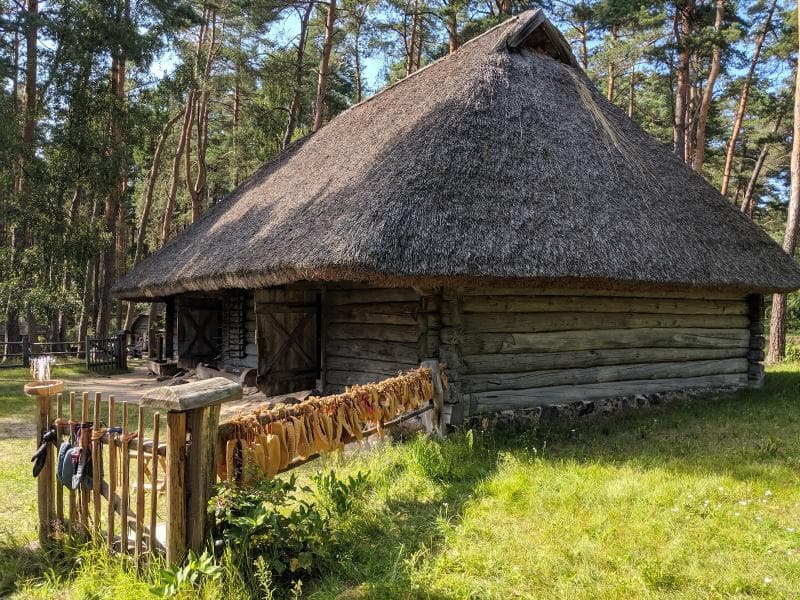
Discover vibrant cultural festivals at the Latvian Ethnographic Open-Air Museum in Riga, Latvia. Experience ancient traditions, crafts, and folk art.
Overview
Stepping into the Latvian Ethnographic Open-Air Museum, nestled on the scenic shores of Lake Jugla just outside Riga, offers a unique journey back in time. This sprawling outdoor museum, one of Europe's oldest and largest, is much more than a collection of historic buildings; it's a living canvas where Latvia's rich cultural heritage is celebrated through vibrant festivals and events. Visitors can immerse themselves in the authentic rural life of past centuries, exploring 118 historical buildings meticulously relocated from all four ethnographic regions of Latvia: Kurzeme, Vidzeme, Zemgale, and Latgale. These structures, dating from the late 17th century to the 1930s, showcase the diverse architectural styles, crafts, and traditions of Latvian peasants, craftsmen, and fishermen. The cultural festivals held here are central to the museum's mission, transforming the historical setting into a dynamic space where ancient customs, folk art, music, and culinary traditions come alive.
Throughout the year, the museum hosts a variety of traditional seasonal events and markets, providing an unparalleled opportunity to experience Latvian culture firsthand. These gatherings are designed to educate and entertain, allowing guests to witness and even participate in the customs that have shaped the nation's identity for generations.
History & Cultural Background
The Latvian Ethnographic Open-Air Museum was established in 1924, inspired by similar open-air museums in Scandinavia, particularly Skansen in Stockholm. Its founding vision was to preserve and showcase the diverse rural architecture and lifestyle from different regions of Latvia, a country with a deeply rooted agrarian past. The museum's 87-hectare territory effectively re-creates historic Latvian villages, complete with farmsteads, workshops, windmills, and churches.
The cultural festivals are a direct extension of this preservation effort. They are rooted in ancient Baltic traditions, agricultural cycles, and pagan beliefs that predate Christianity, later intertwining with Christian holidays. These celebrations served crucial social and practical purposes, marking the changing seasons, ensuring good harvests, and fostering community bonds through shared rituals, songs, and dances. By hosting these festivals, the museum ensures that these invaluable cultural practices are not just remembered but actively experienced by contemporary audiences, linking past and present through living tradition.
What Makes It Special
What sets the cultural festivals at the Latvian Ethnographic Open-Air Museum apart is their profound authenticity and the immersive environment. Unlike staged performances, many events here are recreations of centuries-old traditions, held within the very buildings that once housed these customs. Visitors can encounter artisans demonstrating their skills, from pottery and weaving to blacksmithing and woodworking, often using historical techniques and tools.
Key events like the Great Latvian Crafts Fair, held annually in early June, draw tens of thousands of visitors and hundreds of craftsmen from across Latvia and beyond, making it one of the museum's most famous gatherings. Another significant festival is Jāņi, the Midsummer celebration, which offers an extraordinary atmosphere around June 23rd, complete with bonfires, flower crown weaving, and traditional singing. Seasonal celebrations like Miķeļi (Autumn Harvest Festival) and Mārtiņi (Traditional Autumn Celebration) provide insights into ancient agricultural customs and festive markets. The ability to explore authentic farmsteads, taste traditional cuisine, and witness folk ensembles perform in their original context creates an unparalleled connection to Latvian heritage.
Stories, Fun Facts & Local Details
The museum is a treasure trove of stories. Imagine walking through a smoke sauna, learning about ancient healing practices, or observing a potter shaping clay just as their ancestors did generations ago. Each building tells a story, from the intricate carvings on a farmhouse to the simple tools of a fisherman's hut.
One fun fact is that the museum's collection boasts approximately 150,000 artifacts, offering a comprehensive look into the daily lives of Latvians from the 17th to the 20th century. During festivals, you might find yourself tasting 'sklandrausis,' a traditional sweet rye pastry, or hearing the ancient sounds of kokle, a Latvian string instrument. The museum actively promotes 'living history,' where costumed interpreters often share anecdotes and explain the significance of various traditions, making the past tangible. The Contemporary Crafts Market in September, for instance, blends tradition with modern trends, showcasing how Latvian craftsmanship continues to evolve while honoring its roots.
Visitor Perspective
For the curious traveler, attending a cultural festival at the Latvian Ethnographic Open-Air Museum is an enriching and memorable experience. It's an opportunity to step away from the urban bustle of Riga and delve into the tranquil, historically rich Latvian countryside. The museum is easily accessible from Riga city center, offering a comfortable day trip. Expect to spend several hours exploring the vast grounds, so comfortable shoes and weather-appropriate clothing are recommended. Many festivals include interactive elements like workshops, allowing visitors to try traditional crafts themselves, from making beeswax candles to weaving small textiles. The aroma of traditional foods, the sounds of folk music, and the sight of people engaging in age-old customs create a vibrant and engaging atmosphere. Whether it's the bustling energy of a craft fair or the reflective solemnity of a seasonal celebration, these festivals offer a genuine and heartfelt encounter with Latvia's enduring cultural spirit. It's a place where history isn't just displayed; it's lived.
Coordinates: 24.27724, 56.9906
View on Google Maps💬 How Travelers Describe This Place
Based on community votes
Must See
950Beautiful
287Photogenic
255Unique
231Interesting
86
Traveler Stories
Discover memorable experiences shared by travelers who have visited this place.
No traveler stories yet.
Be the first traveler to share what made this place memorable.

Tour
By
Spot
Discover amazing places around the world. Your journey starts here.
Explore
© 2026 TourBySpot. All rights reserved.