Wooden Churches
Riga, Latvia
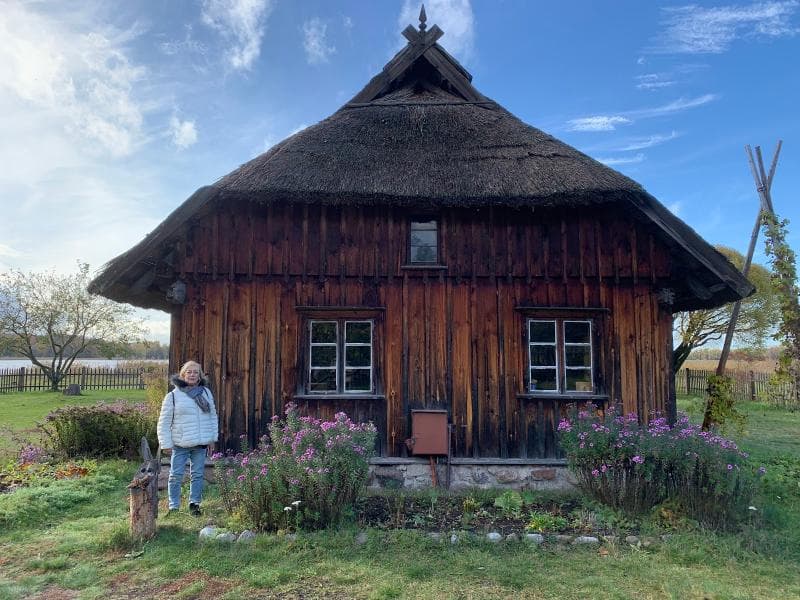
Explore the historic Wooden Churches at the Latvian Ethnographic Open-Air Museum in Riga, Latvia, offering a unique glimpse into traditional rural life and spiritual heritage.
Overview
Nestled amidst a serene pine forest on the shores of Lake Jugla, just outside Riga, the Latvian Ethnographic Open-Air Museum offers a captivating journey back in time. This expansive museum, one of the oldest open-air museums in Europe, spans 87 hectares and showcases over 118 authentic folk architecture buildings relocated from Latvia's four historical regions: Kurzeme, Vidzeme, Zemgale, and Latgale. Among these meticulously preserved structures, the collection of wooden churches stands as a profound testament to Latvia's rich spiritual and architectural heritage. These sacred buildings provide a unique glimpse into the religious practices, artistic traditions, and community life that shaped rural Latvia from the 17th to the early 20th century.
History & Cultural Background
The concept for the Latvian Ethnographic Open-Air Museum was born in 1924, inspired by similar successful models in Scandinavia, particularly Skansen in Stockholm. The museum's visionary founders aimed to preserve and exhibit the diverse cultural landscapes and traditional ways of life across Latvia. The laborious process involved carefully dismantling historical buildings from their original sites throughout the country and meticulously reconstructing them within the museum grounds. This painstaking effort ensures that each structure, including the venerable wooden churches, stands as an authentic fragment of Latvian history. These churches served as the spiritual and often social centers of their communities, reflecting local craftsmanship and the prevailing religious currents of their time.
What Makes It Special
The wooden churches within the museum are special not just for their age, but for their embodiment of centuries of Latvian devotion and artistry. They represent various denominations, including Lutheran, Orthodox, and Catholic traditions, highlighting the religious tapestry of the region. Each church tells a distinct story, from the humble chapels to more elaborate structures, all constructed with a profound understanding of wood as a building material. Visitors can observe the unique architectural styles characteristic of different Latvian regions, such as the distinctive spires, intricate carvings, and sturdy log construction. The relocation and preservation of these buildings ensure that future generations can experience the tangible legacy of faith and community life in rural Latvia.
Stories, Fun Facts & Local Details
One of the most notable examples is the Usma Evangelical Lutheran Church, originally built in the 18th century on the shores of Lake Usma in western Latvia. It was painstakingly relocated to the museum, where it continues to impress visitors with its vividly painted ceilings and an exquisitely crafted altar. Inside these churches, one might discover a striking iconostasis in an Orthodox church, or baroque wood carvings in a Catholic chapel, reflecting the diverse artistic influences and local traditions. These buildings were not merely places of worship; they were community hubs, silent witnesses to countless baptisms, weddings, and funerals, echoing with the joys and sorrows of generations. The simplicity of their wooden exteriors often belies the rich, detailed artistry found within, a testament to the skill and dedication of local artisans.
Visitor Perspective
For a curious traveler, stepping into one of these wooden churches is like entering a portal to the past. The quiet solemnity and the scent of aged wood evoke a powerful sense of history and spirituality. It's an opportunity to connect with the roots of Latvian culture, to appreciate the craftsmanship of a bygone era, and to reflect on the enduring role of faith in community life. As you wander through the museum's forested paths, encountering these beautiful wooden sanctuaries, you gain a deeper understanding of how traditional Latvians lived, worshipped, and found solace. It's an immersive experience that blends historical insight with a peaceful connection to nature, offering a profound appreciation for Latvia's rural heritage.
Coordinates: 24.26157444, 56.99490778
View on Google Maps💬 How Travelers Describe This Place
Based on community votes
Must See
950Beautiful
287Photogenic
255Unique
231Interesting
86
Traveler Stories
Discover memorable experiences shared by travelers who have visited this place.
No traveler stories yet.
Be the first traveler to share what made this place memorable.

Tour
By
Spot
Discover amazing places around the world. Your journey starts here.
Explore
© 2026 TourBySpot. All rights reserved.