Historic Farmsteads
Riga, Latvia
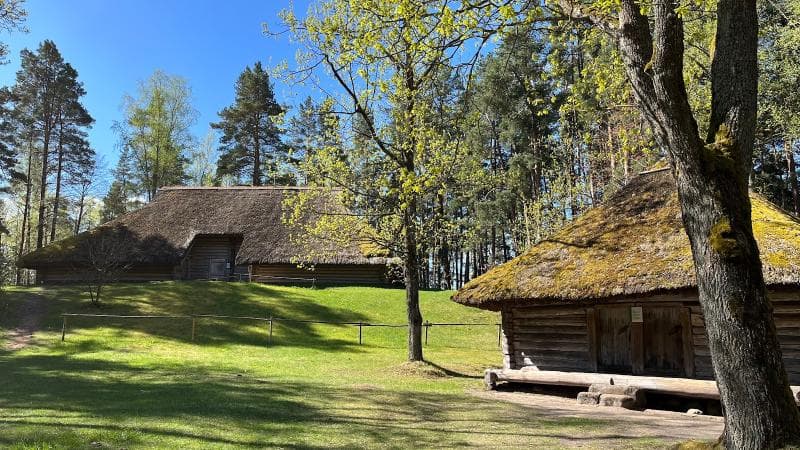
Explore the Historic Farmsteads at the Latvian Ethnographic Open-Air Museum in Riga, Latvia. Discover authentic rural life from the 17th-20th centuries.
Overview
Nestled amidst a serene pine forest on the shores of Lake Jugla, the Historic Farmsteads at the Latvian Ethnographic Open-Air Museum offer a captivating journey into Latvia's rural past. This expansive open-air museum, one of the oldest and largest in Europe, encompasses 87 hectares and showcases 118 authentic historical buildings. These structures, meticulously relocated from all four historical regions of Latvia—Kurzeme, Vidzeme, Zemgale, and Latgale—span a period from the late 17th century to the 1930s. Visitors can explore complete farmsteads, fishermen's huts, and craftsmen's workshops, each providing a tangible glimpse into the daily lives, traditions, and architectural styles of past generations.
History & Cultural Background
The Latvian Ethnographic Open-Air Museum was established in 1924, drawing inspiration from similar open-air museums in Scandinavia, particularly Skansen in Stockholm. The ambitious vision was to preserve and exhibit the diverse rural architecture and cultural heritage of Latvia by physically relocating representative buildings from across the country. The process involved carefully dismantling original structures from villages and farms in their native regions and meticulously rebuilding them on the museum grounds. The first building, a barn from Vestiena parish, was re-erected in 1928, and the museum officially opened to the public in 1932. This dedication to authenticity means that every homestead you encounter is a genuine piece of Latvian history, frozen in time to tell its unique story.
What Makes It Special
The Historic Farmsteads stand out for their unparalleled authenticity and the comprehensive portrayal of Latvian rural life. It's not merely a collection of old buildings; it's a living, breathing testament to the ingenuity and resilience of Latvian peasants, craftsmen, and fishermen. The museum uniquely presents the architectural and lifestyle differences across Latvia's four distinct regions, allowing visitors to compare and contrast the subtle nuances in construction, interior design, and farming practices. From the two-courtyard layout characteristic of some Kurzeme farmsteads to the specific tools and household items on display, every detail contributes to a rich, immersive experience. The natural setting, with its forest trails and lake views, further enhances the feeling of stepping back in time, away from the hustle and bustle of modern Riga.
Stories, Fun Facts & Local Details
Each farmstead within the museum holds countless stories, revealing how families lived and worked without the modern conveniences we often take for granted. Imagine a family eating, working, praying, and sleeping in a single, compact room—a common practice designed to conserve warmth during Latvia's harsh winters. You can observe traditional utility buildings like bathhouses, granaries, and cattle sheds, often combined under one roof to maximize efficiency and protection from the elements. The museum also features a 'New Farmers' homestead, opened in 1997, which specifically showcases life in the 1920s and 1930s, a period significantly shaped by Latvia's agrarian reforms. During the warmer months, visitors might even catch artisans demonstrating traditional crafts such as pottery, weaving, blacksmithing, and woodworking, bringing the historical narratives to life.
Visitor Perspective
Exploring the Historic Farmsteads offers a deeply engaging and educational experience for curious travelers of all ages. Walking along the peaceful forest paths, you'll discover charming wooden houses with moss-covered straw roofs, each inviting you to peek inside and imagine life centuries ago. It's an opportunity to connect with nature, witness centuries-old traditions, and gain a profound appreciation for Latvia's cultural roots. While many main roads are accessible for wheelchairs in good weather, the historical nature of some buildings means narrow doors and high thresholds, which are characteristic of traditional log constructions. Beyond the static exhibits, the museum frequently hosts cultural events, seasonal festivals, and a renowned annual craft fair, providing dynamic ways to engage with Latvian heritage.
Coordinates: 24.2831, 56.9744
View on Google Maps💬 How Travelers Describe This Place
Based on community votes
Photogenic
457Interesting
252Beautiful
147Must See
114Unique
19
Traveler Stories
Discover memorable experiences shared by travelers who have visited this place.
No traveler stories yet.
Be the first traveler to share what made this place memorable.

Tour
By
Spot
Discover amazing places around the world. Your journey starts here.
Explore
© 2026 TourBySpot. All rights reserved.