Folk Craft Exhibits
Riga, Latvia
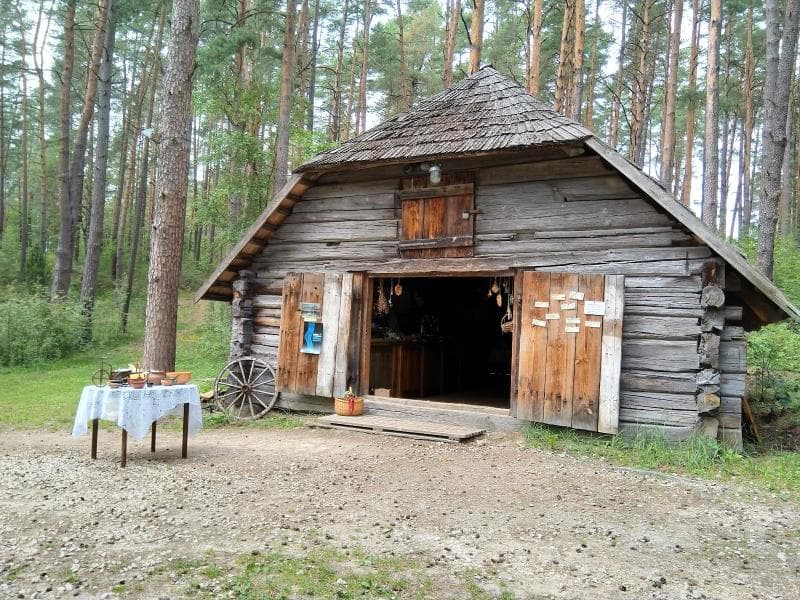
Discover the Folk Craft Exhibits at the Latvian Ethnographic Open-Air Museum in Riga, Latvia, showcasing traditional artisan skills and heritage.
Overview
Deep within the sprawling natural landscape of the Latvian Ethnographic Open-Air Museum in Riga, a captivating collection of Folk Craft Exhibits awaits, offering a profound glimpse into Latvia's rich artisanal heritage. This 'museum within a museum' is not a dedicated building, but rather an immersive experience woven throughout the entire open-air complex, where traditional skills are showcased in their authentic historical settings. Here, visitors can explore a diverse array of crafts, from the intricate art of weaving and pottery to the robust skills of blacksmithing and woodworking, all presented within original farmsteads, workshops, and village structures dating from the 17th to the mid-20th century. [3, 9, 15] It's an opportunity to connect with the traditions that shaped Latvian identity, nestled beside the serene Lake Jugla. [5, 6]
History & Cultural Background
The Latvian Ethnographic Open-Air Museum, established in 1924, was inspired by similar open-air museums in Scandinavia, particularly Skansen in Stockholm. [5] Its foundational idea was to preserve the rural life and cultural traditions of Latvia by relocating authentic buildings from all four historical regions: Kurzeme, Zemgale, Vidzeme, and Latgale. [5, 15] This initiative ensured that the everyday lives of Latvian peasants, farmers, and craftspeople, spanning from the late 17th century to the 1940s, were documented and presented. [3, 9, 15] The Folk Craft Exhibits are a direct extension of this mission, showcasing how vital these crafts were to survival, community, and cultural expression throughout generations. The museum's renaissance in the late 1960s further solidified its role in promoting traditional Latvian culture and lifestyle, often through events like the annual craft fair, which has been a significant fixture since 1971. [5]
What Makes It Special
What truly sets the Folk Craft Exhibits apart is their immersive and dynamic nature. Instead of static displays, visitors encounter working examples of traditional trades, often with live demonstrations by skilled artisans. [4, 10, 12] The museum is not merely a repository of artifacts; it functions as a living workshop where crafts such as weaving, pottery, basket-making, honey production, and metal forging are practiced and preserved. [10] You can walk into a historic farmhouse and see the tools for spinning flax and wool, or observe a potter shaping clay. [4, 11] Each relocated building, whether a farmhouse, mill, or workshop, comes complete with authentic interiors and equipment, illustrating the context in which these crafts thrived. [6, 15] This hands-on, observational approach makes the experience incredibly tangible and memorable, offering a direct link to Latvia's heritage. [11]
Stories, Fun Facts & Local Details
Latvian folk crafts are imbued with deep cultural significance and tell stories of everyday life, special occasions, and regional identities. For instance, traditional Latvian folk costumes are considered works of art, with intricate weaving, embroidery, and crafting techniques reflecting specific regions and carrying symbolic meaning. [7, 14] The Lielvārde's belt, from the Vidzeme region, is a famous example, known for its complex geometric patterns that some believe encode ancient cosmic knowledge. [18] These belts were not just decorative; they accompanied Latvians through life's milestones, from cradles to funerals. [18] Another interesting craft is 'puzuri,' traditional straw ornaments shaped like octahedrons, symbolizing various concepts. [7] The annual Latvian Folk Applied Arts fair, held every June, transforms the museum into a bustling marketplace and a vibrant celebration of these traditions, attracting artisans and visitors from across the country and beyond. [8] It's a testament to the enduring appeal and importance of these crafts that they continue to be celebrated and passed down through generations. [4]
Visitor Perspective
Visiting the Folk Craft Exhibits is an exploration that appeals to all senses. As a curious traveler, you'll wander through picturesque landscapes, encountering historic structures that feel as though their inhabitants have just stepped out. [6, 12] The scent of woodsmoke, the rhythmic clatter of a loom, or the gentle hum of bees might fill the air, bringing the past to life. [10] You can observe skilled craftspeople at work, gaining a deeper appreciation for their dedication and the intricate processes involved. Many exhibits offer opportunities to try out some of the crafts yourself, providing a hands-on learning experience that goes beyond mere observation. [10, 12] The museum encourages a leisurely pace, inviting visitors to immerse themselves fully in the rural charm and cultural richness. [11, 20] It's an enriching journey that reveals not just how things were made, but how life was lived in rural Latvia, offering a unique and authentic cultural encounter. [6]
Coordinates: 24.27724, 56.9906
View on Google Maps💬 How Travelers Describe This Place
Based on community votes
Photogenic
950Beautiful
929Interesting
858Must See
730Unique
275
Traveler Stories
Discover memorable experiences shared by travelers who have visited this place.
No traveler stories yet.
Be the first traveler to share what made this place memorable.

Tour
By
Spot
Discover amazing places around the world. Your journey starts here.
Explore
© 2026 TourBySpot. All rights reserved.