Traditional Workshops
Riga, Latvia
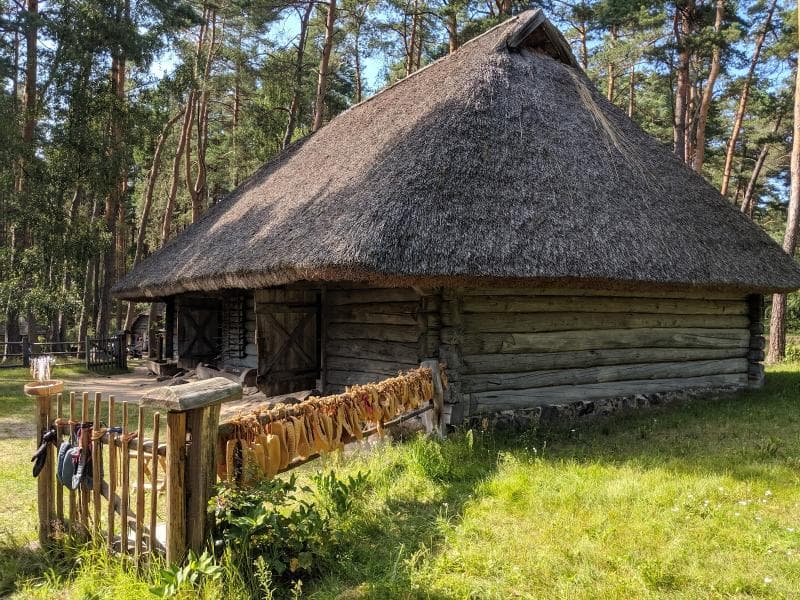
Discover Traditional Workshops at the Latvian Ethnographic Open-Air Museum in Riga, Latvia, showcasing ancient crafts and cultural heritage.
Overview
Stepping into the Traditional Workshops at the Latvian Ethnographic Open-Air Museum in Riga is akin to journeying back in time, where the rhythms of daily life were dictated by skilled hands and time-honored techniques. This remarkable sub-spot within the sprawling museum offers a vibrant, living showcase of Latvia's rich artisanal heritage. Far from being static displays, these workshops provide an immersive experience, demonstrating the crafts that were integral to Latvian rural life from the 17th century through the early 20th century. Visitors can observe master artisans at work, perpetuating ancient traditions using natural materials and methods passed down through generations. The museum itself, one of Europe's oldest and largest open-air museums, encompasses 87 hectares on the shores of Lake Jugla, featuring 118 historic buildings from all four of Latvia's ethnographic regions: Kurzeme, Vidzeme, Zemgale, and Latgale. The Traditional Workshops embody the museum's mission to preserve and present the cultural identity and daily lives of Latvian farmers, craftsmen, and fishermen, offering a tangible connection to the past.
History & Cultural Background
Latvian craft traditions are a profound part of the nation's cultural heritage, evolving over centuries to create both essential household items and aesthetically rich ornaments. The raw materials used were always those readily available in nature: wood from the vast forests, metals from local sources, flax for textiles, clay for pottery, and leather. These traditions reflect the ingenuity and resourcefulness of the Latvian people, whose lives were deeply intertwined with their environment. The Latvian Ethnographic Open-Air Museum, established in 1924, was founded with the vision of preserving this heritage by relocating authentic historical buildings from across Latvia. Each structure, whether a fisherman's hut or a blacksmith's forge, represents a real piece of Latvian history, carefully dismantled and rebuilt on the museum grounds. Within these historically accurate settings, the Traditional Workshops breathe life into the crafts, showcasing the tools, techniques, and the significant role these skills played in community and individual livelihoods. The workshops are not merely about displaying objects; they are about understanding the cultural context and the continuity of human creativity.
What Makes It Special
The unique charm of the Traditional Workshops lies in their authenticity and interactive nature. Unlike many museum exhibits, these are living spaces where visitors can witness the creation process firsthand. It's a rare opportunity to see traditional skills like pottery molding, wool spinning, basket weaving, felt making, spoon and trough carving, band weaving, and even the crafting of traditional footwear in action. These demonstrations are often accompanied by explanations from the artisans themselves, providing insight into the intricate details and cultural significance of their work. The workshops actively engage visitors, allowing them to try their hand at certain crafts, fostering a deeper appreciation for the effort and skill involved. This hands-on approach transforms a museum visit into a memorable, educational experience, bridging the gap between past and present. The museum also frequently hosts large craft fairs, such as the annual Great Latvian Crafts Fair, where hundreds of artisans gather, offering their handmade goods and further demonstrations, making these events significant cultural celebrations.
Stories, Fun Facts & Local Details
The stories embedded within Latvian crafts are as rich and varied as the patterns in a hand-woven textile. For instance, the intricate designs seen in Latvian weaving or pottery often carry symbolic meanings, reflecting ancient beliefs, family lineages, or blessings for prosperity and protection. Learning to play the kokle, a traditional Latvian string instrument, is another craft often demonstrated, connecting visitors to the nation's profound musical heritage that boasts over a million folk songs. Imagine a time when every household item, from a wooden spoon to a woven blanket, was not simply purchased but meticulously crafted by hand, imbued with the maker's care and skill. The smell of fresh wood shavings, the rhythmic clack of a loom, or the earthy scent of clay all contribute to the immersive atmosphere of these workshops. Artisans are often keen to share anecdotes about their craft, recounting how techniques were taught by grandparents or how a particular design originated from a specific region. These personal touches add layers of meaning to each piece and each demonstration, revealing the living history behind the exhibits.
Visitor Perspective
For any curious traveler, the Traditional Workshops offer more than just a historical display; they offer an invitation to connect with Latvia's soul. As you wander through the rustic farmsteads and artisan dwellings, you'll feel the serene embrace of the natural setting—a majestic pine forest on the banks of Lake Jugla. The opportunity to see real craftspeople, using the same tools and methods as their ancestors, is incredibly captivating. It's a chance to slow down, observe, and perhaps even participate, gaining a unique perspective on the dedication and artistry of traditional Latvian life. Whether it's watching a potter shape clay or a weaver deftly handling threads, the experience is often described as both educational and deeply inspiring. It provides a tangible understanding of cultural resilience and the beauty of handmade objects in a world increasingly dominated by mass production. The workshops provide a peaceful and engaging counterpoint to the bustle of modern Riga, leaving visitors with a deeper understanding and appreciation for Latvian heritage.
Coordinates: 24.27724, 56.9906
View on Google Maps💬 How Travelers Describe This Place
Based on community votes
Interesting
540Beautiful
470Unique
410Must See
254Photogenic
114
Traveler Stories
Discover memorable experiences shared by travelers who have visited this place.
No traveler stories yet.
Be the first traveler to share what made this place memorable.

Tour
By
Spot
Discover amazing places around the world. Your journey starts here.
Explore
© 2026 TourBySpot. All rights reserved.