Kastellet
Copenhagen, Denmark
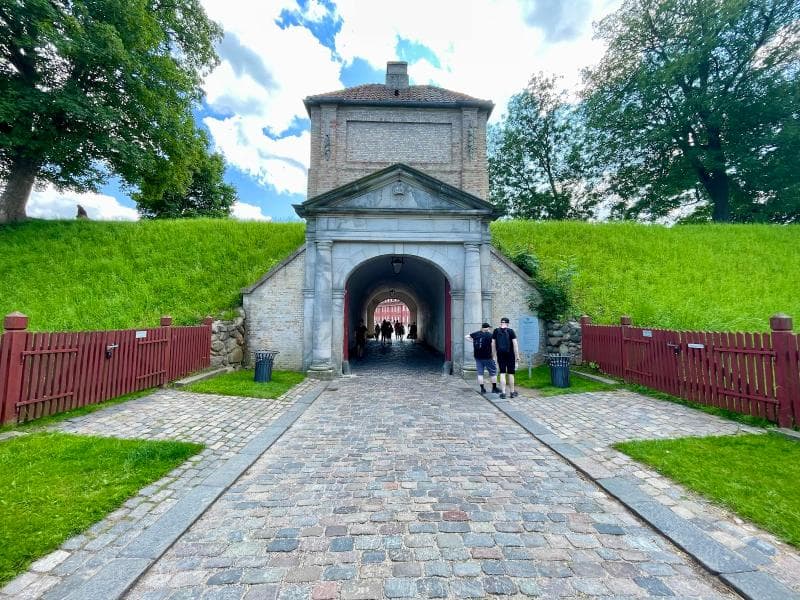
Explore Kastellet in Copenhagen, Denmark: a beautifully preserved 17th-century star fortress, active military site, and tranquil public park.
Overview
Nestled in Denmark's vibrant capital, Copenhagen, Kastellet stands as one of Northern Europe's most remarkably preserved star-shaped fortresses. This historic citadel, easily recognized by its distinctive pentagonal layout and surrounding moats, serves a unique dual purpose today: it remains an active military facility while simultaneously welcoming the public as a serene park and historical landmark. Visitors can freely explore its ramparts, enjoy leisurely strolls, and soak in centuries of history. Its red barracks, picturesque windmill, and tranquil atmosphere offer a peaceful escape from the bustling city, inviting travelers to step back in time.
History & Cultural Background
The origins of Kastellet trace back to 1626 when King Christian IV initiated the construction of an advanced coastal post, Sankt Annæ Skanse, to guard the port's entrance. However, the star-shaped citadel we see today was primarily a result of the vision of King Frederick III, following the Swedish siege of Copenhagen between 1658 and 1660. Dutch engineer Henrik Rüse was commissioned to rebuild and extend the fortifications, with construction taking place between 1662 and 1665. This transformation solidified Kastellet's role as a vital part of Copenhagen's defensive ring. Over the centuries, Kastellet played a significant role in Danish military history, including facing attacks during the Battle of Copenhagen in the early 19th century. During World War II, it was occupied by German forces. Though fortifications around Copenhagen were largely demolished in the 1840s, Kastellet remained, evolving into the treasured historical site it is today.
What Makes It Special
Kastellet's most striking feature is its perfectly preserved pentagonal star shape, defined by five formidable bastions and an intricate system of moats. Each bastion is royally named: the King's, Queen's, Count's, Princess's, and Prince's Bastions. Walking along its ramparts offers panoramic views of Copenhagen Harbour and the surrounding area, with old cannons serving as poignant reminders of its military past. Inside its walls, the site blends active military operations with public accessibility, making it a living piece of history. Notable structures include the iconic windmill, dating back to the 1840s, which once ground grain for soldiers, and the baroque-style Citadel Church from 1704, still in use for services. The long, red barracks buildings, originally built for soldiers, now house offices for the Danish Defence staff.
Stories, Fun Facts & Local Details
- The Citadel Church and Prison: Adjacent to the Citadel Church is a former prison complex. Intriguingly, holes were built into the wall between the church and the cells, allowing prisoners to listen to church services.
- The Windmill's Purpose: The windmill at Kastellet, a Dutch-style mill built in 1847, stands as a testament to the fort's self-sufficiency. Fortified cities required secure supplies, and windmills on bastions ensured flour and groats were available in case of a siege. At one point in 1800, Copenhagen's ramparts hosted 16 such windmills.
- An Artist's Home: The renowned Danish painter Christen Købke (1810–1848), associated with the Golden Age of Danish Painting, grew up within Kastellet and captured many scenes of the area in his works.
- Monument to International Efforts: In the northeast corner of Kastellet stands the Monument for Denmark's International Efforts after 1948, honoring Danish service members deployed internationally.
- The Commander's House: The historic Commander's House, built in 1725, once served as the residence of Kastellet's commanding officer.
Visitor Perspective
Kastellet offers a wonderfully unique and free experience for any traveler to Copenhagen. It's a tranquil oasis perfect for a leisurely walk or a jog, providing a peaceful contrast to the city's urban energy. The site is open daily, typically from early morning to late evening, allowing ample time for exploration. While the grounds are fully accessible, visitors should be aware that the buildings themselves are active military sites and generally not open to the public, except for the church during specific service times. Plan for about 1 to 2 hours to comfortably stroll the ramparts, admire the architecture, and capture some beautiful photos, especially of the windmill and harbor views. Kastellet's location is also incredibly convenient, being just a short walk from other major Copenhagen attractions like The Little Mermaid statue and Churchill Park. Wear comfortable shoes, as the ramparts are gravel, and consider bringing a light jacket, as the harbor winds can make it feel cooler.
Coordinates: 12.59426, 55.6914
View on Google Maps💬 How Travelers Describe This Place
Based on community votes
Unique
445Interesting
416Must See
289Beautiful
141Photogenic
33
Traveler Stories
Discover memorable experiences shared by travelers who have visited this place.
No traveler stories yet.
Be the first traveler to share what made this place memorable.
Things to see at Kastellet



Tour
By
Spot
Discover amazing places around the world. Your journey starts here.
Explore
© 2026 TourBySpot. All rights reserved.