Ramparts
Copenhagen, Denmark
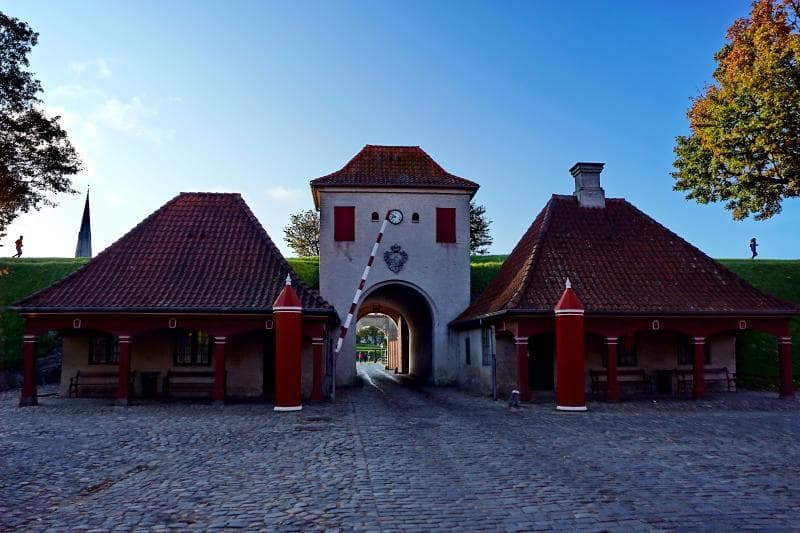
Explore the historic Ramparts of Kastellet in Copenhagen, Denmark, a star-shaped fortress offering panoramic views, rich history, and tranquil walks.
Overview
Nestled in Copenhagen, Denmark, the Ramparts of Kastellet offer a unique blend of history, nature, and panoramic views. This exceptionally well-preserved star-shaped fortress, officially known as Kastellet, or 'The Citadel', stands as a testament to 17th-century military architecture. Far more than just a historical monument, it functions as both an active military area and a tranquil public park, inviting visitors to explore its grounds freely.
The ramparts, forming the distinct five-pointed star shape, are not merely defensive structures but serve as elevated pathways that provide sweeping vistas of Copenhagen Harbour and the surrounding city. Stepping onto these earthworks means entering a serene oasis where centuries of history resonate with the gentle rustle of leaves and the distant sounds of a bustling metropolis. It's a place where locals jog, families stroll, and curious travelers delve into Denmark's rich past.
History & Cultural Background
The origins of Kastellet trace back to King Christian IV's initiative in 1626, aiming to fortify Copenhagen's defenses, particularly against maritime threats. However, the star-shaped citadel we admire today was largely commissioned by King Frederik III and meticulously constructed between 1662 and 1665 by the Dutch military engineer Henrik Rüse. Rüse's design, characterized by its five arrow-shaped bastions and robust earthen ramparts, represented state-of-the-art Renaissance military architecture, specifically engineered to withstand cannon fire.
Historically, the ramparts of Kastellet were once part of a larger ring of fortifications that encircled Copenhagen. While most of these city walls have since been dismantled, Kastellet's ramparts remain largely intact, preserving a vital piece of the city's defensive heritage. Over its nearly four centuries of existence, Kastellet has witnessed significant historical events, including the Swedish Siege of Copenhagen (1658-1660) and its occupation by German forces during World War II, underscoring its enduring strategic importance.
What Makes It Special
What sets Kastellet's ramparts apart is their dual nature: a formidable defensive structure that has gracefully transitioned into a beloved public space. The pronounced star shape, complete with its five bastions — each royally named as the King's, Queen's, Count's, Princess', and Prince's Bastions — is a marvel of military engineering that looks particularly impressive from above.
Walking along these grassy ramparts, visitors can appreciate the deep moats that historically protected the fortress, now home to various waterfowl. Within the fortress walls, historic buildings like the charming 18th-century windmill and the serene Citadel Church add to the unique atmosphere. The fact that Kastellet remains an active military base for the Danish Defence, even while welcoming countless visitors daily, creates a fascinating blend of past and present, discipline and public enjoyment.
Stories, Fun Facts & Local Details
The ramparts of Kastellet hold many stories. Imagine a time when fortified cities needed to be self-sufficient; by 1800, Copenhagen's ramparts, including those at Kastellet, housed numerous windmills to grind grain, ensuring supplies even during a siege. The current windmill on the King's Bastion, built in 1847, is a picturesque reminder of this self-sufficiency.
A unique local tradition involves promenading on the ramparts on Store Bededag, a Danish holiday, often accompanied by music. Another engaging detail is the daily changing of the guard ceremony at the Central Guard House, a tradition that connects visitors to the military's ongoing presence. The fortress also housed a prison, famously holding figures like Struensee before his execution.
Visitor Perspective
For any traveler, a visit to Kastellet's ramparts offers a peaceful escape and a journey through history. The well-maintained paths atop the earthworks are perfect for a leisurely walk or a refreshing jog, offering expansive views without the city's hustle and bustle. While sitting on the grass is generally not permitted, benches are strategically placed for rest and contemplation.
Entry to Kastellet is free, and the gates are open daily, typically from early morning until late evening, making it an accessible attraction. From the ramparts, you can spot nearby landmarks like the Little Mermaid statue, just a short walk away. The combination of historical structures, lush greenery, and the quiet dignity of an active military site makes exploring the Ramparts of Kastellet a profoundly enriching and uniquely Danish experience.
Coordinates: 12.59426, 55.6914
View on Google Maps💬 How Travelers Describe This Place
Based on community votes
Photogenic
934Unique
879Interesting
741Must See
482Beautiful
396
Traveler Stories
Discover memorable experiences shared by travelers who have visited this place.
No traveler stories yet.
Be the first traveler to share what made this place memorable.

Tour
By
Spot
Discover amazing places around the world. Your journey starts here.
Explore
© 2026 TourBySpot. All rights reserved.