Church
Copenhagen, Denmark
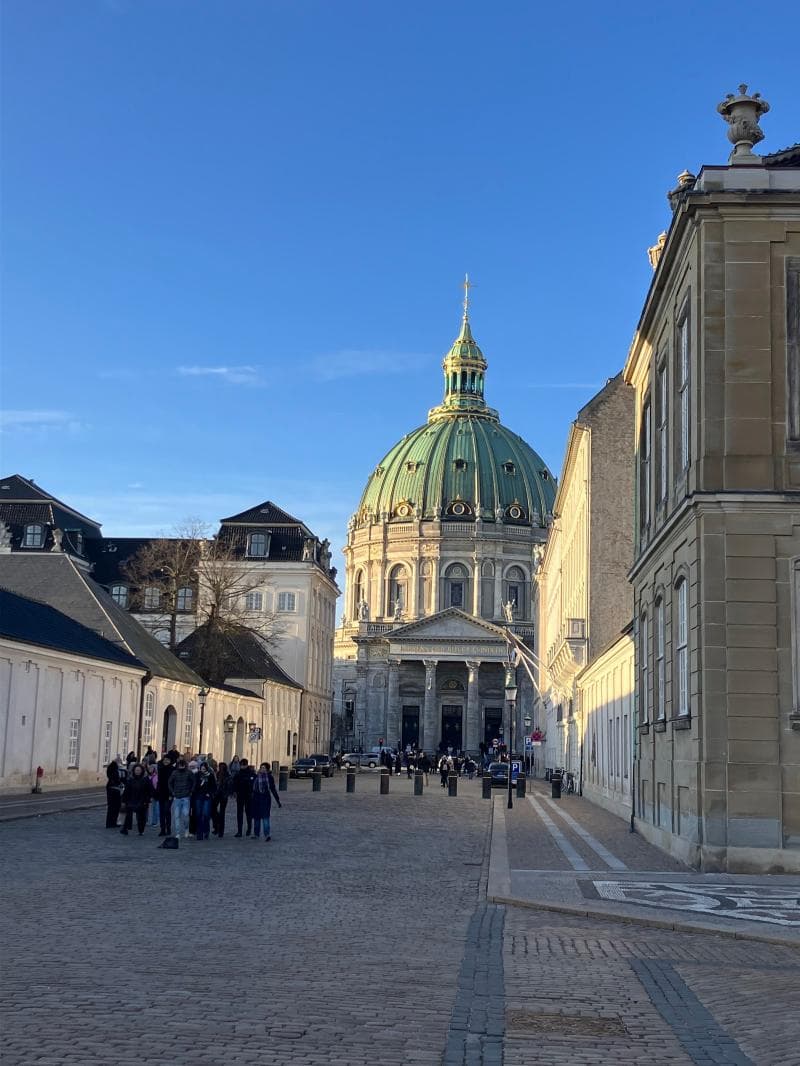
Explore Kastelskirken, the historic Citadel Church within Kastellet in Copenhagen, Denmark. Discover its Baroque architecture and unique prison connection.
Overview
Nestled within the historic star-shaped ramparts of Kastellet, the Citadel Church, known in Danish as Kastelskirken, stands as a serene and historically rich landmark in Copenhagen, Denmark. This beautiful Baroque-style church is not merely a place of worship; it is an integral part of the fortress's enduring legacy, offering visitors a unique glimpse into centuries of Danish military and spiritual life. Initially constructed to serve the spiritual needs of the garrison, Kastelskirken has evolved to also embrace a civil parish, maintaining its significant role within the community. Its unassuming exterior belies a wealth of stories and architectural details that speak to its unique past, making it a compelling discovery for any curious traveler exploring Copenhagen's heritage.
History & Cultural Background
The origins of Kastelskirken trace back to the early 18th century, with construction beginning in 1703 and its inauguration taking place in 1704. Built in the stately Baroque style, the church was designed by G.P. Müller, though the precise drawings have unfortunately been lost to time. Commissioned during the reign of King Frederik IV, it was conceived primarily as a dedicated place of worship for the soldiers stationed within Kastellet, reflecting the fortress's vital military importance to Copenhagen.
A truly fascinating chapter in its history unfolded in 1725 when a prison complex was integrated directly behind the church. This architectural decision led to the creation of 'sound holes' in the wall separating the prisoners from the main nave, allowing inmates to follow the church services from their cells. This arrangement highlights a poignant aspect of historical penal systems, where spiritual solace was considered an essential, albeit restricted, right even for those incarcerated. In 1902, the church broadened its scope, officially incorporating a civil parish, thereby extending its spiritual care beyond the military personnel to the wider local community.
What Makes It Special
What truly sets Kastelskirken apart is its remarkable blend of enduring Baroque architecture with its profound historical narrative. The church's design, characterized by its elegant simplicity and sturdy construction, has stood the test of time, celebrating its 300th anniversary in 2004. Its Baroque style offers a visual journey back to the early 18th century, contrasting with the more modern cityscape of Copenhagen.
The most compelling and unique feature, however, is undoubtedly the integrated prison. The very notion of prisoners listening to sermons through specially designed openings in the wall provides a rare and tangible link to a bygone era. This architectural detail is a powerful reminder of the church's dual role as both a spiritual sanctuary and a silent witness to the lives, and sometimes fates, of those confined within the fortress walls. It offers a solemn, reflective dimension to what might otherwise appear to be just another historic church.
Stories, Fun Facts & Local Details
Beyond its primary function, Kastelskirken holds several intriguing stories. The baptismal font, for instance, has its own journey; until 1839, the church utilized a 'baptismal table' rather than a traditional font. The current wooden font, dating from around 1820, was originally used in Our Lady Church as a temporary fixture before finding its permanent home in Kastelskirken. Its classicist style, initially marbled grey and white, now stands in solid grey with gilt details, reflecting changes through the centuries.
One of the most remarkable anecdotes connected to the church involves the infamous German physician and statesman Johann Friedrich Struensee, who awaited his execution in Kastellet's prison. The 'sound holes' meant that figures like Struensee would have heard the church's services, perhaps offering a moment of reflection in their final days. The church's long-standing connection to the military is also evident in the flags and memorials often found within, honoring centuries of Danish soldiers. Its role as a garrison church means it has been a place of comfort, ceremony, and farewell for countless individuals serving the Danish crown.
Visitor Perspective
Visiting Kastelskirken today offers a wonderfully tranquil experience within the bustling city of Copenhagen. The church is situated inside Kastellet, which itself functions as a public park and an active military site. This unique setting allows for a serene walk through the star-shaped fortress, past barracks, and a historic windmill, leading to the church. Entry to Kastellet is free, and the church itself welcomes visitors daily, although specific opening hours may vary.
Stepping inside, you are greeted by an atmosphere of calm and history. The Baroque interior, with its ornate altar and historical artifacts, invites contemplation. Imagine the generations of soldiers, families, and even prisoners who have sought solace within these walls. The church is not just an architectural marvel; it is a living monument, still holding services and participating in the life of the community. It’s a perfect spot to pause, absorb the history, and reflect on the intertwining narratives of faith, military life, and the human condition in this remarkable corner of Copenhagen. Combining a visit to Kastelskirken with a stroll around the Kastellet ramparts offers a comprehensive and enriching historical experience.
Coordinates: 12.594236625477544, 55.691348767621434
View on Google Maps💬 How Travelers Describe This Place
Based on community votes
Must See
934Beautiful
276Photogenic
152Unique
30Interesting
16
Traveler Stories
Discover memorable experiences shared by travelers who have visited this place.
No traveler stories yet.
Be the first traveler to share what made this place memorable.

Tour
By
Spot
Discover amazing places around the world. Your journey starts here.
Explore
© 2026 TourBySpot. All rights reserved.