Nearby Langelinie Park
Copenhagen, Denmark
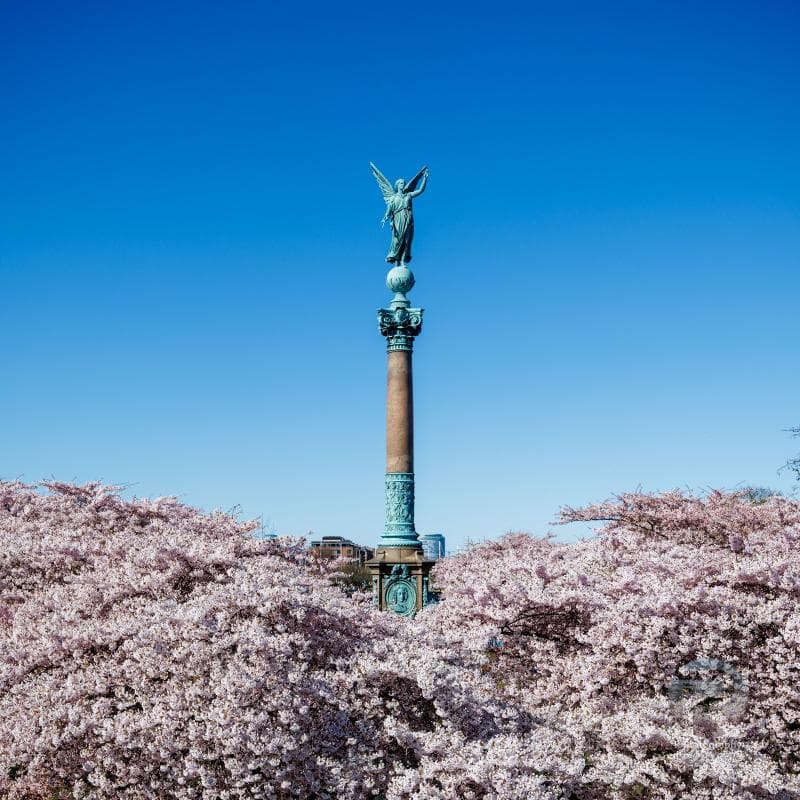
Explore Langelinie Park in Copenhagen, Denmark, home to The Little Mermaid, Gefion Fountain, and scenic waterfront walks near historic Kastellet.
Overview
Nestled along the picturesque Øresund coast in Copenhagen, Denmark, Langelinie Park is more than just a green space; it's a vibrant waterfront area rich in history and cultural significance. Stretching gracefully from Esplanaden to the Langelinie Marina and Pier, this park offers a unique blend of scenic promenades, historical monuments, and serene natural beauty. Adjacent to the historic star-shaped fortress of Kastellet, Langelinie provides a tranquil escape with stunning harbor views, making it a beloved spot for both locals and international visitors.
The park is famously home to 'The Little Mermaid' statue, a poignant symbol of Copenhagen, alongside other notable landmarks such as the dramatic Gefion Fountain and the towering Ivar Huitfeldt Column. It serves as a bustling hub where large cruise ships berth, adding a dynamic maritime element to the peaceful surroundings. Whether you seek a leisurely stroll, a glimpse into Danish heritage, or simply a moment of seaside tranquility, Langelinie Park offers a compelling experience.
History & Cultural Background
The name 'Langelinie', meaning 'Long Line', dates back to the mid-17th century, when it referred to an idyllic coastal path that curved around the citadel of Kastellet. For a considerable period, this stretch was a restricted military zone, denying unrestricted access to civilians. Interestingly, an 1819 military order even instructed soldiers to 'throw water in the head and on the breast and to cool their feet in the water' in the area.
Eventually, the area evolved into a promenade and park primarily for the bourgeoisie, accessible only upon payment of a toll, which effectively excluded common people. However, a public uprising in 1848 marked a pivotal moment, leading to the area finally being opened to everyone, transforming it into the inclusive public space it is today. The modern Langelinie Pier itself was constructed in 1894, as part of a significant expansion of Copenhagen's harbor to accommodate large ocean-going vessels.
What Makes It Special
Langelinie Park's undeniable allure stems from its remarkable concentration of iconic Danish landmarks and its harmonious blend of urban and natural elements. Foremost among its treasures is 'The Little Mermaid' (Den Lille Havfrue), the bronze statue by Edvard Eriksen, unveiled in 1913. This celebrated sculpture, inspired by Hans Christian Andersen's timeless fairy tale, gazes out to sea from a granite rock, embodying a quiet melancholy that has captivated visitors for over a century.
Nearby, the magnificent Gefion Fountain commands attention with its powerful depiction of the Norse goddess Gefion driving four oxen, symbolizing the mythical creation of the island of Zealand. The park also features the imposing Ivar Huitfeldt Column, a solemn memorial honoring a naval hero and his crew from the Great Northern War, underscoring Denmark's rich maritime heritage. Its direct proximity to Kastellet, one of Northern Europe's best-preserved 17th-century star fortresses, allows visitors to seamlessly transition from serene parkland to a living historical site, offering ramparts, moats, and a working windmill.
Stories, Fun Facts & Local Details
Hans Christian Andersen, Denmark's most beloved storyteller, held a special affection for the Langelinie promenade, often finding inspiration for his tales during his walks along its shores. He reportedly called it a 'place of unlimited possibility', where imagination could flourish. The Little Mermaid statue, while globally renowned, often surprises first-time visitors with her modest size, proving that great impact doesn't always require grand scale.
Despite her serene appearance, the statue has periodically been a target for acts of vandalism and political protests, reflecting her status as a powerful national symbol. Another interesting historical note involves the Langelinie Pavilion, a cultural landmark that was tragically bombed during World War II as part of German sabotage operations targeting the Danish resistance.
In spring, Langelinie Park transforms into a spectacle of pale pink as hundreds of cherry trees blossom, culminating in the annual Copenhagen Sakura Festival, a vibrant celebration of Japanese culture amidst the Danish landscape. This event highlights a unique cultural exchange and provides a beautiful local detail, drawing families and photographers to enjoy the fleeting beauty of the blooms.
Visitor Perspective
Langelinie Park offers an inviting atmosphere for a wide range of visitors, from history enthusiasts to those simply seeking a peaceful urban escape. The long, paved promenade is perfect for leisurely walks, morning jogs, or gentle bicycle rides, providing refreshing sea breezes and expansive views of the harbor and the Øresund strait.
For those keen on photography, particularly of 'The Little Mermaid', an early morning visit is highly recommended to capture her undisturbed before the crowds gather. The park's pathways are largely flat and accessible, making it stroller and wheelchair-friendly, ensuring that everyone can enjoy its beauty. Visitors can easily combine their exploration of Langelinie with a walk through the nearby Kastellet fortress, forming a rich and rewarding loop that encompasses history, art, and nature.
Along the quay, you’ll find convenient kiosks and food stands offering typical Danish snacks, perfect for a casual stop during your exploration. The constant activity of large cruise ships docking at the pier also provides a fascinating spectacle, connecting the park to the wider world of maritime travel. Langelinie Park truly encapsulates a multifaceted Copenhagen experience, blending historical depth with contemporary vibrancy.
Coordinates: 12.5992, 55.6929
View on Google Maps💬 How Travelers Describe This Place
Based on community votes
Photogenic
934Unique
879Interesting
741Must See
482Beautiful
396
Traveler Stories
Discover memorable experiences shared by travelers who have visited this place.
No traveler stories yet.
Be the first traveler to share what made this place memorable.

Tour
By
Spot
Discover amazing places around the world. Your journey starts here.
Explore
© 2026 TourBySpot. All rights reserved.