Kadriorg Palace
Tallinn, Estonia
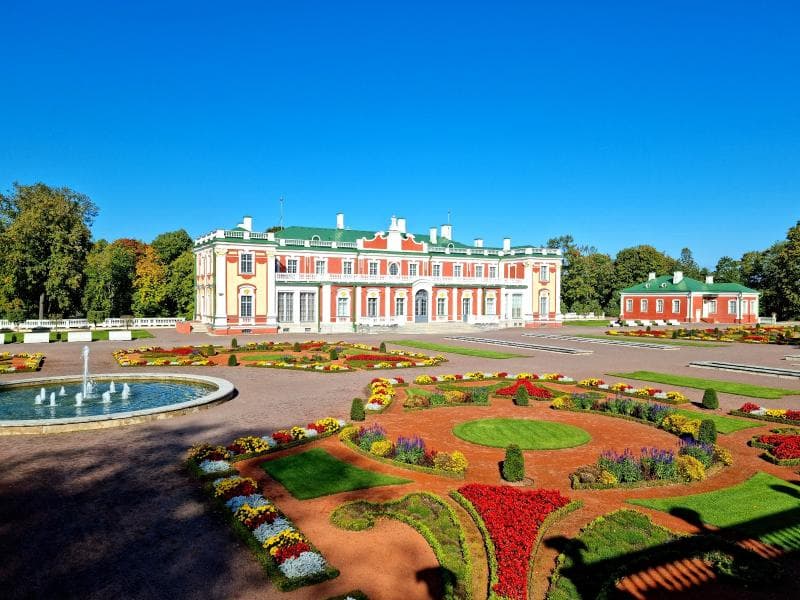
Explore Kadriorg Palace in Tallinn, Estonia – an 18th-century Baroque marvel and art museum set within a stunning park. Discover its history and art.
Overview
Nestled within the vibrant Kadriorg district of Tallinn, Estonia, Kadriorg Palace stands as a breathtaking testament to 18th-century Baroque grandeur. Commissioned by Russian Tsar Peter the Great for his wife Catherine I, this elegant palace is now home to the Kadriorg Art Museum, showcasing an impressive collection of foreign art. Surrounded by the expansive and meticulously maintained Kadriorg Park, the palace offers visitors a unique blend of history, culture, and natural beauty. Its distinctive pink and white facade, geometric gardens, and serene ponds make it a cherished landmark and a must-visit destination in the Estonian capital.
History & Cultural Background
The story of Kadriorg Palace began in 1718, when Peter the Great, then Tsar of Russia, ordered its construction following the Great Northern War. He envisioned a magnificent summer residence for his beloved wife, Catherine I, after whom the palace and its surrounding park were named. The name 'Kadriorg' itself is Estonian for 'Catherine's Valley,' derived from the German 'Katharinenthal'. The design of this splendid Petrine Baroque palace was entrusted to the renowned Italian architect Nicola Michetti, with construction overseen by Gaetano Chiaveri and Mikhail Zemtsov.
Although intended as a royal retreat, Peter the Great did not live to see its completion, and Catherine's interest reportedly waned after his passing. However, the palace continued to hold significance, undergoing renovations in the 19th century under Nicholas I, leading to subsequent imperial summer visits. Over the centuries, Kadriorg Palace has served various roles, including a period as the official residence for the Estonian Head of State. Today, it proudly houses the Kadriorg Art Museum, a branch of the Art Museum of Estonia, dedicated to foreign art.
What Makes It Special
What truly sets Kadriorg Palace apart is its exquisite Petrine Baroque architecture, a style that flourished in St. Petersburg during the 17th and 18th centuries. The palace's salmon pink and white facade, accented by blue doors and a green copper roof, immediately captures the eye, reflecting an ornate style reminiscent of imperial Russian architecture. Inside, the magnificent main hall stands out, largely preserved from Peter's era. It features a striking painted ceiling, intricate stucco ornamentation, and the stylized monograms of Peter and Catherine above its highly ornate fireplaces, offering a vivid glimpse into 18th-century artistry.
Beyond its architectural beauty, Kadriorg is a cultural beacon. The Kadriorg Art Museum, housed within the palace, is dedicated to exhibiting the Estonian Art Museum's extensive collection of foreign art. This includes European and Russian artworks spanning from the 16th to the 20th century, offering a rich journey through various artistic movements.
Equally captivating is the surrounding Kadriorg Park, an expansive 70-hectare green oasis that complements the palace's grandeur. Designed with elements of Italian, French, and Dutch Baroque gardens, the park features meticulously maintained formal gardens, peaceful ponds like the Swan Pond with its charming gazebo, and vibrant flower beds. The park also hosts other museums, including the Kumu Art Museum and the Mikkel Museum, making the entire Kadriorg area a vibrant cultural hub.
Stories, Fun Facts & Local Details
The very name 'Kadriorg' carries a story, being an Estonian translation of 'Catherine's Valley,' a direct tribute to Empress Catherine I. Interestingly, while the grand palace was being constructed, Peter the Great himself reportedly resided in a more modest cottage nearby, which still stands and offers a contrasting view of royal life during that period. The palace's great hall boasts a remarkable ceiling mural depicting a scene from Ovid's Metamorphoses, showcasing the goddess Diana bathing, an artistic detail that adds a layer of classical mythology to the Baroque setting.
Kadriorg Park is often considered a destination in itself, and locals frequently refer to the entire area as a 'city within a city' due to its comprehensive offerings. Beyond the formal palace gardens, visitors can discover diverse landscapes, including an enchanting Japanese Garden with the largest rhododendron collection in Estonia, providing a serene escape. Throughout the year, the palace and park come alive with various events, from classical music concerts within the palace to seasonal festivals and outdoor gatherings, merging cultural experiences with natural beauty.
Visitor Perspective
For those planning a visit to Kadriorg Palace, the late spring through early autumn months are generally considered the best time to experience both the palace and the park at their most vibrant, with blooming flowers and pleasant weather. The palace interior, housing the art museum, typically charges an admission fee, but the sprawling gardens and park grounds are free to enter and enjoy year-round. Many visitors find that combining a visit to the palace with a stroll through the park and perhaps a trip to the nearby Kumu Art Museum makes for a fulfilling half-day excursion. Public transportation, including trams and buses, offers convenient access from central Tallinn. Expect to spend anywhere from an hour to a few hours exploring the palace's interiors and wandering through the various sections of the park, ensuring comfortable shoes for the journey across its diverse pathways.
Coordinates: 24.791, 59.4385
View on Google Maps💬 How Travelers Describe This Place
Based on community votes
Interesting
791Photogenic
514Unique
457Beautiful
252Must See
19
Traveler Stories
Discover memorable experiences shared by travelers who have visited this place.
No traveler stories yet.
Be the first traveler to share what made this place memorable.
Things to see at Kadriorg Palace



Tour
By
Spot
Discover amazing places around the world. Your journey starts here.
Explore
© 2026 TourBySpot. All rights reserved.