Swan Pond
Tallinn, Estonia
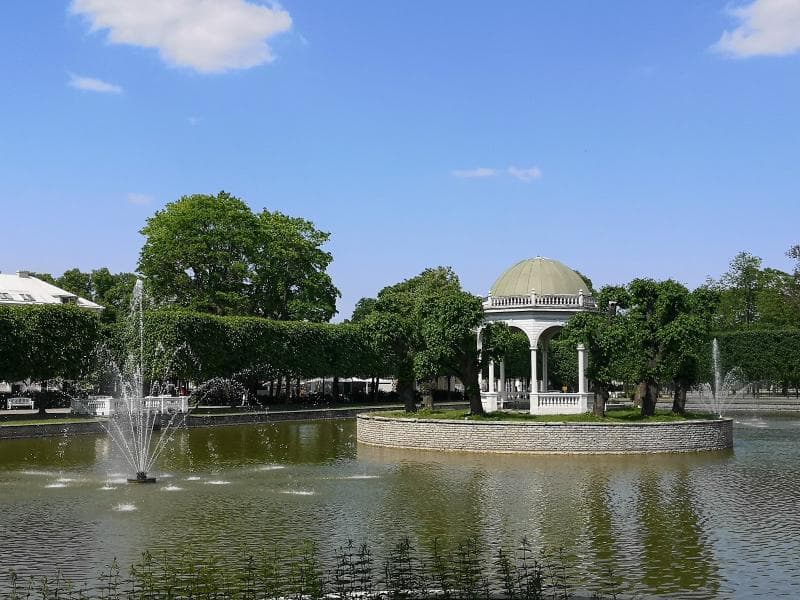
Discover Swan Pond in Tallinn, Estonia's Kadriorg Park. Explore its rich history, elegant pavilion, and serene beauty, a perfect escape for curious travelers.
Overview
Nestled within the magnificent Kadriorg Park in Tallinn, Estonia, lies the tranquil Swan Pond, known locally as Luigetiik. This picturesque body of water serves as a central and beloved feature of the expansive park, offering a serene escape just east of Tallinn's medieval Old Town. Renowned for its elegant pavilion, gracefully positioned on a small islet, and its namesake resident swans, the pond creates a postcard-perfect scene. It represents a harmonious blend of natural beauty and meticulously designed landscape architecture, making it a cherished landmark in the Baltic region for both locals and travelers alike. The surrounding park, covering approximately 70 hectares, was established by Russian Tsar Peter the Great in the 18th century and has been open to the public for centuries.
History & Cultural Background
The origins of the Swan Pond trace back to the very beginnings of Kadriorg Park. Originally designated as the 'Lower Pond', its presence was integral to the initial plans for Kadriorg Park as early as 1723. The grand vision for Kadriorg, meaning 'Catherine's Valley' in Estonian and German, began in 1718 when Russian Tsar Peter the Great ordered the creation of a summer palace for his wife, Catherine I, aiming to build a magnificent palace and park ensemble. By 1741, an islet complete with a charming gazebo was erected in the middle of the pond, further enhancing its idyllic setting. Throughout the early 20th century, the area around the pond saw various developments, including a popular café-restaurant named Kontsertaed. A significant renovation project in the mid-1930s dramatically reshaped the area. Dilapidated buildings were removed, replaced by verdant lawns, vibrant flower beds, and neat hedges. It was during this period that the pond officially acquired its current name, the 'Swan Pond', owing to the graceful swans that made it their seasonal home. Fountains were also installed, and a round, pillared bandstand, designed by Villem Seidra, was built on the islet, adding to its architectural charm.
What Makes It Special
What truly sets the Swan Pond apart is its captivating blend of historical grandeur and tranquil natural beauty. The iconic pavilion, also known as Lustla, standing proudly on its central islet, offers a focal point that is truly postcard-worthy. The presence of elegant swans gliding across the water adds an enchanting, almost fairytale-like quality to the scene. Beyond its visual appeal, the pond is a living testament to centuries of thoughtful landscape design, showcasing elements from the 18th, 19th, and 20th centuries. The meticulously maintained gardens and fountains surrounding the pond enhance its appeal, creating a delightful setting that invites quiet contemplation and leisurely strolls. It's a place where history feels alive, interwoven with the peaceful rhythm of nature, providing a unique sense of calm amidst the capital city.
Stories, Fun Facts & Local Details
The Swan Pond holds many layers of local history and charming details. In the early 20th century, before its grand renovation, the pond transformed into a popular ice-skating rink during winter, with townsfolk gliding gracefully under the glow of streetlights. This tradition speaks to its long-standing role as a community gathering place. Another interesting historical note is the presence of the café-restaurant Kontsertaed near the pond, highlighting its past as a social hub. In 1937, during the major renovation, a sundial and carefully crafted flower beds featuring traditional Estonian ethnic patterns were installed on the south bank, further enriching the pond's cultural ambience. The designer of the pillared bandstand on the islet, Villem Seidra, contributed to the distinctive architectural style seen today. These details contribute to the pond's unique character, offering glimpses into Tallinn's past and the artistic sensibilities of its people.
Visitor Perspective
For the curious traveler, the Swan Pond offers more than just a scenic view; it is an invitation to slow down and immerse oneself in a peaceful urban oasis. Visitors consistently laud it as a beloved landmark, providing a serene escape from the bustling city life of Tallinn. It is a favorite spot for photography, capturing the elegant swans, the historic pavilion, and the captivating reflections on the water, offering countless opportunities for memorable snapshots. Many also find it ideal for quiet contemplation, enjoying leisurely strolls around its perimeter. The park, and consequently the Swan Pond, is easily accessible from Tallinn's city center, often by a short tram or bus ride, making it a convenient destination for a relaxing outing. The terrain around the pond is generally flat and well-paved, suitable for visitors of all ages and abilities. While popular, especially on sunny days, an early morning or late afternoon visit often affords a more tranquil experience, allowing one to fully appreciate the peaceful atmosphere. The Swan Pond, a jewel in Kadriorg Park, promises a delightful and enriching experience for all who visit.
Coordinates: 24.788, 59.4365
View on Google Maps💬 How Travelers Describe This Place
Based on community votes
Must See
995Unique
839Beautiful
388Interesting
289Photogenic
141
Traveler Stories
Discover memorable experiences shared by travelers who have visited this place.
No traveler stories yet.
Be the first traveler to share what made this place memorable.

Tour
By
Spot
Discover amazing places around the world. Your journey starts here.
Explore
© 2026 TourBySpot. All rights reserved.