Japanese Garden
Tallinn, Estonia
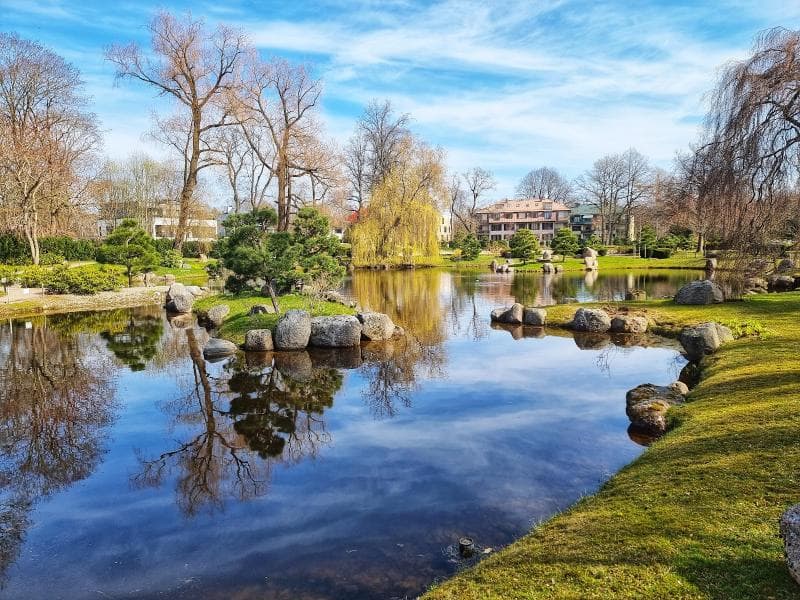
Discover the tranquil Japanese Garden in Kadriorg Park, Tallinn, Estonia. A serene oasis designed by Masao Sone, perfect for peaceful contemplation.
Overview
Tucked within the expansive and historic Kadriorg Park in Tallinn, Estonia, lies a tranquil and thoughtfully designed haven: the Japanese Garden. This unique sub-spot offers a profound contrast to the Baroque grandeur of Kadriorg Palace, inviting visitors into a world guided by the philosophy of the circle of life and the expressiveness of nature. Opened to the public in July 2011, the garden provides a peaceful retreat for contemplation and a slow journey of discovery. It is a place where stones, water, and carefully selected plants harmonize to create a distinct atmosphere, reflecting the essence of traditional Japanese landscape design amidst the Baltic landscape.
Situated near the north-eastern pond of Kadriorg Park, the Japanese Garden is not merely a collection of exotic plants but a meticulously crafted environment intended to evoke feelings of calm and introspection. Its design encourages visitors to slow down, observe, and meditate on the subtle beauty of nature, making it a beloved spot for both locals and travelers seeking a moment of serenity.
History & Cultural Background
The creation of the Japanese Garden in Kadriorg Park marks a significant cultural exchange and a symbol of enduring friendship between Japan and Estonia. Its development began in 2011, culminating in its official opening on July 31 of that year. The garden was designed by the acclaimed Japanese landscape architect Masao Sone, a native of Kyoto, who brought his profound understanding of traditional Japanese garden principles to Tallinn.
Masao Sone's inspiration for the garden was drawn directly from the existing natural features of Kadriorg's northeast corner, incorporating the pond, its buried limestone slope, indigenous boulders, large trees, and a natural waterfall. The project aimed to integrate the distinct philosophy of a Japanese garden—focused on the 'circle of life' and the 'expressiveness of nature'—into this Estonian setting. The garden is also recognized as commemorating the 20th anniversary of diplomatic relations between Estonia and Japan, serving as a lasting testament to peace and collaboration.
What Makes It Special
What truly sets the Japanese Garden apart is its masterful blend of traditional Japanese aesthetic principles with careful consideration for the local Estonian climate and landscape. Designed as a 'slow journey,' the garden guides visitors along pathways, over elegant stone bridges, and around reflective water bodies. These stone bridges, a testament to authenticity, were crafted in Japan before being meticulously reassembled on site in Tallinn.
A fascinating detail is Masao Sone's creative interpretation of Tallinn's own Old Town within the garden's hardscape. He arranged the stones to mimic the city's iconic rooftops, using upright stones to represent church towers and flatter ones to suggest gabled houses, adding a subtle local touch to the Japanese design. While originally planned to feature solely Japanese flora, the necessity of adapting to Estonia's long, harsh winters led to the inclusion of resilient local plant varieties. This adaptive planting results in a spectacular seasonal display, with cherry blossoms heralding spring, rhododendrons blooming in early summer, irises gracing the deep summer months, and maples providing a vibrant autumn palette. The garden boasts the region's largest collection of rhododendrons, making it a particularly stunning sight in season.
Stories, Fun Facts & Local Details
The Japanese Garden is not just a visual delight but an embodiment of carefully chosen symbols and intentions. It covers an area of approximately six hectares, providing ample space for its serene elements. The presence of a koi pond, populated by colorful koi fish, adds to the traditional Japanese ambiance and offers charming opportunities for photography and quiet observation.
The entire Kadriorg Park, within which the Japanese Garden resides, has its own rich history, dating back to 1718 when Peter the Great commissioned it for his wife, Catherine I. This historical context adds another layer of interest, showcasing centuries of landscape design evolution, with the Japanese Garden representing a modern, yet timeless, addition. The garden's strict rules against noise, sports, cycling, or pets underscore its purpose as a sanctuary for quiet contemplation, ensuring that its peaceful atmosphere is preserved for all who visit.
Visitor Perspective
For the curious traveler, the Japanese Garden in Kadriorg Park offers a distinct experience that separates it from the bustling city life of Tallinn. It is a place designed for mindful exploration, encouraging visitors to embrace the Japanese philosophy of connecting with nature through quiet observation and reflection. Entry to the garden is free, making it an accessible retreat for everyone seeking a moment of peace.
While Kadriorg Park itself is open 24/7, the Japanese Garden often experiences seasonal closures during the winter months due to slippery stone paths and the challenges posed by harsh weather. Therefore, planning a visit during spring, summer, or autumn is ideal to fully appreciate its vibrant blooms and intricate design. Whether you are interested in landscape architecture, cultural symbolism, or simply a tranquil escape, the Japanese Garden provides a deeply enriching experience within Tallinn's historic Kadriorg Park.
Coordinates: 24.791, 59.43852
View on Google Maps💬 How Travelers Describe This Place
Based on community votes
Must See
276Interesting
152Photogenic
33Beautiful
30Unique
16
Traveler Stories
Discover memorable experiences shared by travelers who have visited this place.
No traveler stories yet.
Be the first traveler to share what made this place memorable.

Tour
By
Spot
Discover amazing places around the world. Your journey starts here.
Explore
© 2026 TourBySpot. All rights reserved.