Fountain Area
Tallinn, Estonia
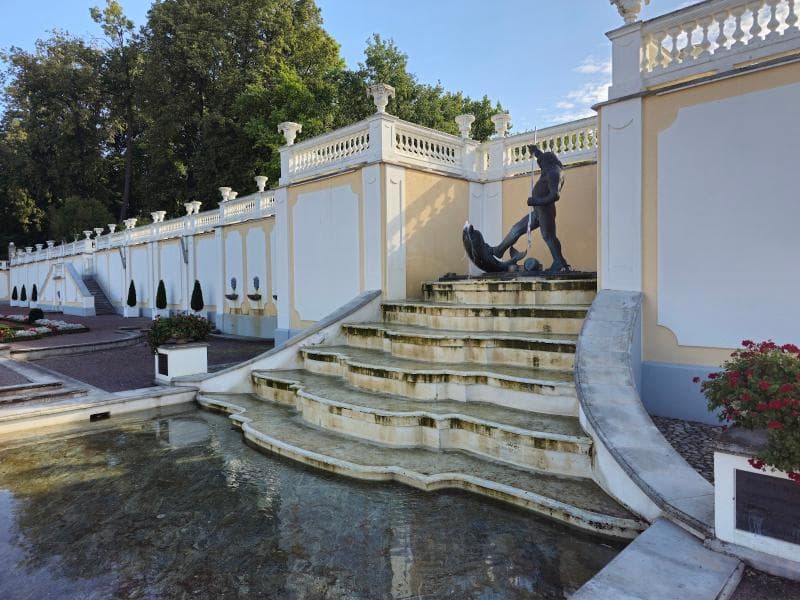
Explore the majestic Fountain Area at Kadriorg Palace in Tallinn, Estonia. Discover Baroque gardens, historical fountains, and tranquil beauty.
Overview
Nestled within the expansive grounds of Kadriorg Palace in Tallinn, Estonia, the Fountain Area stands as a captivating testament to Baroque garden design. This enchanting sub-spot is an integral part of the larger Kadriorg Park, a magnificent 18th-century ensemble commissioned by Russian Tsar Peter the Great. The area around the palace and its elaborate water features was intended to provide a grand and serene setting for royal residence. Today, it offers visitors a peaceful retreat and a journey through centuries of history and horticultural artistry.
As you explore, you will discover meticulously manicured gardens, elegant pathways, and the soothing sounds of cascading water, all contributing to a sense of timeless beauty. The main palace itself now houses the Kadriorg Art Museum, adding a rich cultural dimension to the natural splendor of its surroundings. The Fountain Area, while not a single isolated feature, refers collectively to the various water elements and their immediate garden settings that enhance the formal baroque design of Kadriorg Park.
History & Cultural Background
The origins of the Fountain Area trace back to 1718, when Peter the Great initiated the construction of Kadriorg Palace as a summer residence for his wife, Catherine I. The name 'Kadriorg' itself is Estonian for 'Catherine's Valley,' a direct homage to its imperial patron.
Italian architect Nicola Michetti was entrusted with the design of this ambitious project, envisioning a palace and garden ensemble in the grand Baroque style, reminiscent of European models like Versailles and Peterhof. The original garden layout was meticulously planned on three levels, featuring Italian terraces, Dutch canals, and a French-inspired axially symmetric road network. A key feature of this design was the Upper Garden, which included a 'Mirage Fountain Wall' and a 'Mirage Pond'. The gardener Ilya Surmin was specifically responsible for incorporating fountains into the flower garden.
However, Peter the Great's untimely death in 1725 meant that some of his elaborate plans for water games and artistic cascades were never fully realized. Over the centuries, the park underwent transformations. In the 1920s and 1930s, it evolved into a 'People's Park', a beloved public space. Notably, the area behind the palace saw significant changes with the construction of the President's administrative building in 1937–1938. This led to the Mirage Pond being filled in and replaced by the President's Rose Garden, designed by the Berlin gardening company Späth.
Despite these changes, the Baroque essence of the Fountain Area has been carefully preserved and restored. In a significant restoration effort, the Baroque flower garden and the Mirage Wall were meticulously reconstructed based on 18th-century drawings and archaeological findings, reopening to the public in 2000. Further enhancing its historical grandeur, a bronze sculpture of Neptune by Mati Karmin was installed at the Mirage Wall Cascade in 2005.
What Makes It Special
The Fountain Area at Kadriorg Palace holds a unique place as one of Estonia's most prominent examples of Baroque landscape architecture. Its special charm lies in the harmonious blend of historical design, natural beauty, and artistic elements.
The grandeur of the Mirage Fountain Wall, adorned with sculptures depicting Olympic gods and featuring water-spewing mascarons, creates a dramatic focal point, reminding visitors of the imperial ambitions that shaped this place. The recently added bronze sculpture of Neptune in the cascade further amplifies this classical aesthetic. Beyond this formal grandeur, the picturesque Swan Pond, complete with its own fountain and charming gazebo, offers a more tranquil and romantic scene, popular for leisurely strolls and photography.
The design's integration of water features with meticulously maintained hedges, parterre flowerbeds, and classical sculptures creates a captivating visual symphony. It's a place where the movement and sound of water add a living, dynamic quality to the static beauty of the palace and gardens, evoking a sense of calm and historical resonance.
Stories, Fun Facts & Local Details
One of the most remarkable aspects of Kadriorg Park, including its Fountain Area, is that it was conceived not just for imperial exclusivity but with a surprising vision for public access. Peter the Great himself expressed a desire for anyone interested to freely walk in the park, making this royal garden a public space from its very beginning.
A charming local detail can be found in the Upper Garden: an oak tree planted by King Gustav V of Sweden in 1929 during a state visit to Estonia, a living testament to diplomatic history woven into the landscape. The evolution of the Mirage Pond into the President's Rose Garden also tells a story of adaptation and changing national significance, linking the historical imperial past to the modern Estonian state.
The varied design influences—from Italian terraces to Dutch canals and French axial symmetry, combined with a Russian selection of flowers—make the Kadriorg gardens a fascinating blend of European landscape traditions, uniquely adapted to the Estonian setting. This fusion of styles contributes to its rich character and ensures there is always something new to observe and appreciate. The meticulous restoration efforts in recent decades highlight Estonia's dedication to preserving its cultural heritage, bringing the original grandeur of the Fountain Area back to life for contemporary visitors.
Visitor Perspective
Visiting the Fountain Area within Kadriorg Palace offers a truly immersive experience for any traveler. The gardens, including all the beautiful fountain settings, are freely accessible, allowing everyone to enjoy their splendor without an admission fee. This open access encourages leisurely exploration and moments of peaceful reflection amidst the historical surroundings.
The best time to experience the full beauty of the Fountain Area is from late spring through early autumn, when the flowerbeds are in bloom, the foliage is lush, and the fountains are actively playing. It is during these months that the vibrant colors and fresh atmosphere truly bring the Baroque design to life, making it a perfect spot for photography enthusiasts and those seeking a tranquil escape from urban life.
Travelers often find the Kadriorg grounds to be a delightful complement to a visit inside the Kadriorg Art Museum, providing a holistic appreciation of art, history, and nature. Whether you are admiring the grandeur of the Mirage Fountain Wall, enjoying the serene views by the Swan Pond, or simply taking a moment to sit and absorb the atmosphere, the Fountain Area promises a memorable and enriching experience.
Coordinates: 24.7908, 59.4385
View on Google Maps💬 How Travelers Describe This Place
Based on community votes
Must See
995Unique
839Beautiful
388Interesting
289Photogenic
141
Traveler Stories
Discover memorable experiences shared by travelers who have visited this place.
No traveler stories yet.
Be the first traveler to share what made this place memorable.

Tour
By
Spot
Discover amazing places around the world. Your journey starts here.
Explore
© 2026 TourBySpot. All rights reserved.