Kadriorg Art Museum
Tallinn, Estonia
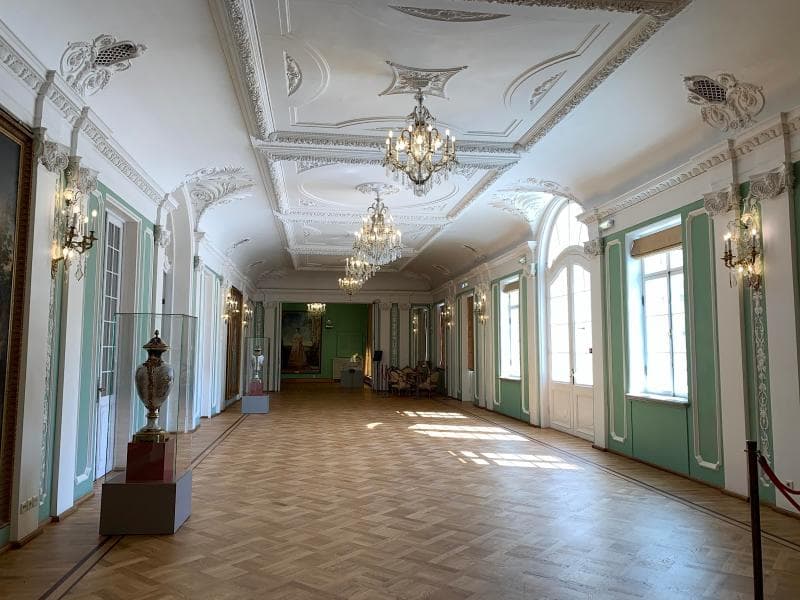
Explore the Kadriorg Art Museum in Tallinn, Estonia, housed in a Baroque palace. Discover European and Russian art from the 16th-20th centuries.
Overview
Nestled within the breathtaking Kadriorg Palace in Tallinn, Estonia, the Kadriorg Art Museum offers a captivating journey through centuries of European and Russian art. As the sole museum in Estonia dedicated to showcasing early foreign art, it presents an exquisite collection spanning the 16th to the 20th centuries. The museum itself is a branch of the prestigious Art Museum of Estonia, housed within a magnificent Baroque palace originally commissioned by Peter the Great. Surrounded by the palace's charming and expansive park, a visit here provides a serene cultural escape.
History & Cultural Background
The story of the Kadriorg Art Museum is deeply intertwined with that of its grand setting, Kadriorg Palace. The palace's construction began in 1718, initiated by Peter the Great of Russia as a romantic summer residence for his beloved wife, Catherine I. The design was entrusted to the esteemed Italian architect Nicola Michetti, who conceived a Baroque masterpiece that would bring European grandeur to the Baltic region. Craftsmen from across Europe were brought in to realize this ambitious vision.
Over the centuries, the palace witnessed a rich tapestry of history, serving various roles from accommodating governor-generals and hosting imperial family visits to becoming a summer residence for the Head of State of Estonia. In 1946, the palace opened its doors to the Art Museum of Estonia. Following a period of significant disrepair and subsequent extensive renovation, the palace triumphantly reopened on July 22, 2000, reborn as the Kadriorg Art Museum, a dedicated space for foreign art.
What Makes It Special
What truly sets the Kadriorg Art Museum apart is its exceptional fusion of art and architecture. The palace itself is lauded as one of the finest examples of Baroque architecture in Northern Europe, a testament to its elegant design and historical significance. The main hall, in particular, is a highlight; its abundant decorations and Italian-style ceiling paintings, based on Ovid's Metamorphoses, position it as one of the most beautiful examples of Nordic Baroque and one of the few well-preserved palace interiors from Peter the Great's era.
The museum's permanent collection proudly displays the largest and most significant holdings of Russian and Western European art from the 16th to the 20th centuries in Estonia. Visitors can explore a rich array of works with a strong emphasis on Dutch and Flemish masters from the 17th century, alongside notable German paintings and art from the Russian Imperial period. Beyond paintings, the museum also features an impressive selection of prints, sculptures, and applied arts, including exquisite porcelain, ceramics, textiles, glass, and period furniture, offering a comprehensive view of European aesthetic evolution. The museum actively enriches its offerings with temporary exhibitions, often showcasing art treasures from internationally renowned institutions, alongside engaging educational activities. A unique feature is the visible storage gallery for the sculpture collection, located on the ground floor, providing an insightful look into sculptural art, its techniques, and materials.
Stories, Fun Facts & Local Details
The very name 'Kadriorg' holds a charming historical detail, translating from Estonian as 'Catherine's Valley,' a direct homage to Empress Catherine I, for whom Peter the Great built this magnificent residence. Peter the Great's motivation for constructing such a grand palace was not merely personal; he sought to assert Russia's place within the European cultural sphere, viewing architecture as a powerful tool for reshaping the nation's image. In the context of a war-torn Tallinn, the proud and magnificent palace must have truly appeared as a 'miracle' amidst simpler surroundings.
History whispers through its halls, recounting visits from notable figures such as the daughters of Tsar Nicholas I in 1832, for whom an illuminated road to the beach, a boat landing, and a bathhouse were specially constructed. The palace was also the very first home of the Art Museum of Estonia, establishing its legacy as a cultural cornerstone. For younger visitors, the museum offers a delightful children's audio guide where artworks seemingly come to life, and a friendly girl named Kadri guides them through an interactive exploration of the exhibits.
Visitor Perspective
For any traveler to Tallinn, the Kadriorg Art Museum within Kadriorg Palace offers an enriching and aesthetically pleasing experience. The palace's exterior and its meticulously maintained formal gardens are freely accessible and widely praised for their beauty, making them a must-see, even if time is limited. Many visitors find that combining a visit to the Kadriorg Art Museum with the nearby Kumu Art Museum, also situated within Kadriorg Park, creates a fulfilling half-day itinerary.
While the internal art collection provides a tranquil and deep dive into art history, it's worth noting the museum's operating hours; it is generally closed on Mondays from October to April but opens on Mondays from May to September. To enhance the experience, audio guides are available in several languages, offering insightful commentary on the artworks and the palace's history. The museum is universally regarded as one of Estonia's most elegant and historically significant landmarks, promising an inspiring cultural encounter for all who step through its doors.
Coordinates: 24.788, 59.4365
View on Google Maps💬 How Travelers Describe This Place
Based on community votes
Interesting
995Must See
989Unique
603Beautiful
581Photogenic
388
Traveler Stories
Discover memorable experiences shared by travelers who have visited this place.
No traveler stories yet.
Be the first traveler to share what made this place memorable.

Tour
By
Spot
Discover amazing places around the world. Your journey starts here.
Explore
© 2026 TourBySpot. All rights reserved.