Park Walkways
Tallinn, Estonia
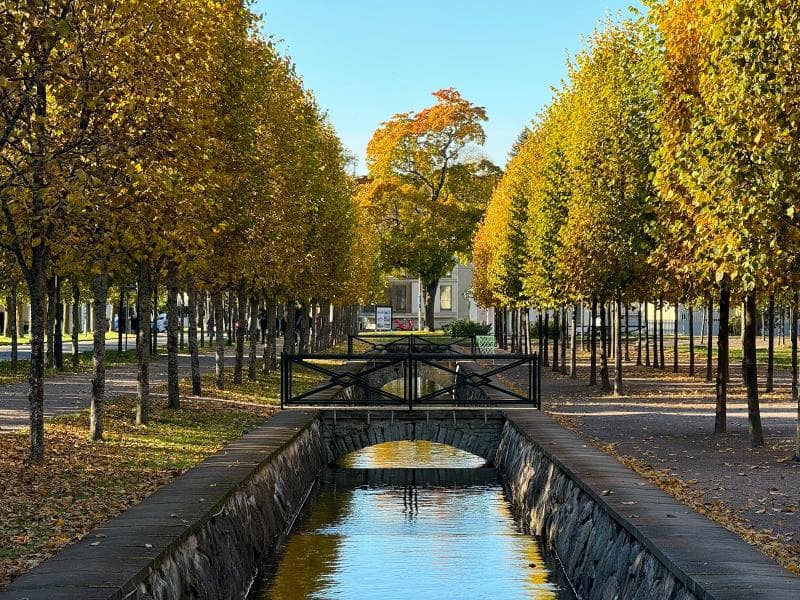
Explore the historic Park Walkways of Kadriorg Palace in Tallinn, Estonia. Discover Baroque gardens, serene paths, and centuries of design in this magnificent park.
Overview
Stepping into Kadriorg Park in Tallinn, Estonia, feels like entering a living tapestry woven from centuries of history and natural beauty. At the heart of this magnificent green expanse, the Park Walkways invite curious travelers to wander through diverse landscapes and discover the enduring legacy of the Kadriorg Palace. These pathways are not merely routes from one point to another; they are an integral part of the experience, guiding visitors through formal Baroque gardens, serene English-style woodland, and even a tranquil Japanese garden. Covering approximately 70 hectares, Kadriorg Park, with its intricate network of walkways, stands as Estonia's most outstanding palatial and urban park, offering both breathtaking views and peaceful contemplation.
History & Cultural Background
The story of Kadriorg Park and its walkways began in 1718, when the Russian Tsar Peter the Great ordered its construction as a grand summer residence for his wife, Catherine I. The name 'Kadriorg' itself, meaning 'Catherine's Valley' in Estonian, pays homage to her. Italian architect Nicola Michetti was instrumental in the initial design, envisioning a multi-tiered park ensemble. This early 18th-century design incorporated Baroque elements, drawing inspiration from Italian terraces, Dutch canals, and a French-style axially symmetric road network, complete with parterre flowerbeds. Remarkably, Peter the Great decreed that the park should be open to the public from its very inception, making it one of the earliest public parks of its kind. Over the centuries, the park evolved, with later additions in the 19th and 20th centuries introducing elements like an English landscape park with winding gravel paths and the contemporary Japanese garden.
What Makes It Special
The true charm of Kadriorg's Park Walkways lies in their incredible diversity, reflecting nearly three centuries of landscape design. Visitors can embark on a journey that transitions seamlessly from the meticulously manicured French-style parterres immediately surrounding the Baroque palace to the romantic, informal English park. The promenade leading from the iconic Swan Pond towards the president's palace is a popular route, offering picturesque views and an architectural grandeur. Further afield, the newer Japanese Garden, completed in 2011, provides a contrast with its minimalist design, stone bridges, and tranquil ponds, inviting a slower, more contemplative stroll. The pathways connect various smaller, distinct gardens within the larger park, each with its own character, from rose gardens to areas with mature oaks and lindens. This blend of styles ensures that every turn presents a new visual and sensory experience, making each walk unique.
Stories, Fun Facts & Local Details
Beyond their aesthetic appeal, the Park Walkways hold numerous stories. Imagine Peter the Great himself, overseeing the initial measurements for the palace foundation and park in 1718, with his architect by his side. A testament to history, an oak tree planted by King Gustav V of Sweden in the Upper Garden still stands today. The park's pathways also reveal the layered history of its development; areas like the People's Park, Youth Park, and Alpine Garden were added in the 1930s, responding to evolving recreational needs and modernizing the park's offerings. The total length of the footpaths winding through the park is an impressive 16 kilometers, offering ample opportunity for long walks or invigorating jogs, allowing visitors to easily get their recommended daily steps in while soaking up culture and nature.
Visitor Perspective
For the curious traveler, the Park Walkways of Kadriorg offer an unparalleled opportunity to immerse oneself in Tallinn's cultural and natural heritage. The grounds are freely accessible and open every day of the year, providing a refreshing escape from the city's hustle and bustle. Walking these paths allows one to appreciate the scale and vision of Peter the Great's original design, while also discovering the subsequent layers of landscape architecture that have enriched the park over centuries. Whether you seek a formal stroll through manicured flowerbeds, a peaceful wander through wooded areas, or a moment of Zen in the Japanese Garden, the varied walkways cater to all preferences. It's a place where history whispers through the rustling leaves and grand avenues, inviting reflection and providing a tangible connection to Estonia's imperial past and vibrant present.
Coordinates: 24.788, 59.4365
View on Google Maps💬 How Travelers Describe This Place
Based on community votes
Photogenic
995Beautiful
989Must See
613Interesting
603Unique
581
Traveler Stories
Discover memorable experiences shared by travelers who have visited this place.
No traveler stories yet.
Be the first traveler to share what made this place memorable.

Tour
By
Spot
Discover amazing places around the world. Your journey starts here.
Explore
© 2026 TourBySpot. All rights reserved.