Jatiluwih Rice Terraces
Bali, Indonesia
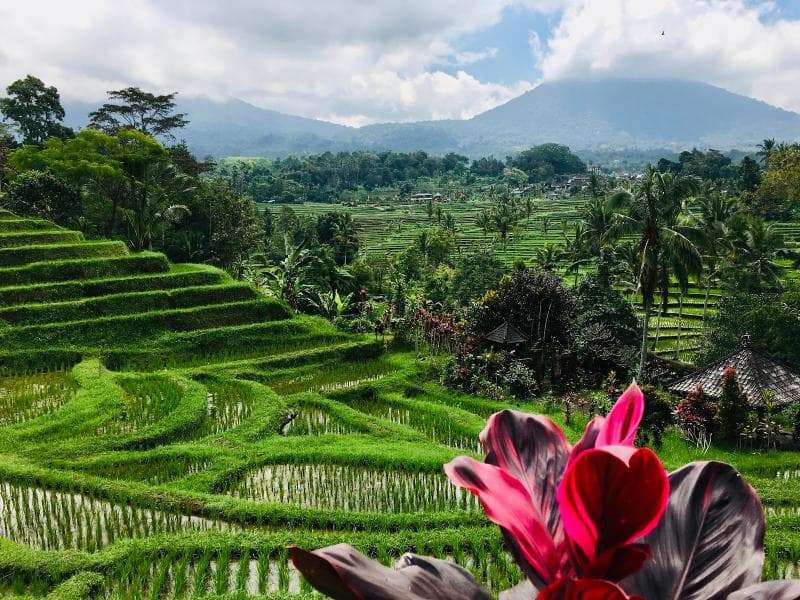
Explore Jatiluwih Rice Terraces, a UNESCO World Heritage site in Bali, Indonesia. Discover its ancient Subak system, lush landscapes, and cultural significance.
Overview
Nestled in the highlands of central Bali, Indonesia, the Jatiluwih Rice Terraces present a breathtaking tableau of emerald-green landscapes. This iconic destination, recognized as a UNESCO World Heritage site, is celebrated for its expansive, cascading rice paddies that stretch across over 600 hectares along the gentle contours of the Batukaru mountain range. Situated at an elevation of approximately 700 to 850 meters above sea level, Jatiluwih offers a cooler climate and a profound sense of tranquility, a stark contrast to Bali's more bustling coastal areas. The name 'Jatiluwih' itself reflects the inherent beauty of the place, often translated as 'truly beautiful' or 'charming excellent' in the local Balinese language.
More than just a scenic vista, Jatiluwih is a living agricultural landscape, showcasing centuries of Balinese farming heritage. It embodies a harmonious relationship between humans and nature, primarily through its unique and ancient Subak irrigation system. Visitors are invited to immerse themselves in this serene environment, whether by walking along the terraced paths, cycling through the fields, or simply taking in the panoramic views that define this remarkable corner of the island.
History & Cultural Background
The history of the Jatiluwih Rice Terraces is inextricably linked to the ancient Subak irrigation system, a testament to the ingenuity and spiritual depth of the Balinese people. This cooperative water management system dates back to the 9th century, while the terraces themselves are believed to have been meticulously crafted over 500 years ago.
Subak is far more than just an irrigation method; it is a holistic, community-based approach to water distribution that profoundly reflects the Balinese Hindu philosophy of Tri Hita Karana. This philosophy advocates for maintaining harmony among three crucial elements: 'Parahyangan' (harmony with God), 'Pawongan' (harmony among humans), and 'Palemahan' (harmony with nature).
The system is spiritually driven, with water from mountain springs considered a divine gift. A network of water temples, with Pura Ulun Danu Beratan often at its apex, governs the distribution. Farmers participate in rituals and offerings to Dewi Sri, the Hindu goddess of rice and fertility, ensuring a bountiful harvest and acknowledging the sacredness of the water. This democratic cooperation ensures fair water sharing and collective decision-making among farmer groups. In recognition of its outstanding cultural significance and sustainable practices, UNESCO officially inscribed the Subak system, including the Jatiluwih Rice Terraces, as a World Cultural Heritage site on June 29, 2012.
What Makes It Special
Jatiluwih stands out as a truly exceptional destination for several compelling reasons. Foremost among them is its designation as a UNESCO World Heritage site since 2012. This recognition highlights not only its stunning natural beauty but also the profound cultural value of the Subak irrigation system, a living tradition that exemplifies sustainable agriculture and communal harmony.
Unlike other, often more crowded, rice terraces on the island, Jatiluwih offers a sense of unparalleled scale and serenity. Spanning over 600 hectares, the terraces provide vast, uninterrupted panoramic views that invite quiet contemplation. The sheer size and less commercialized atmosphere allow for a more immersive and authentic experience of Bali's agricultural heartland.
The intricate Subak system itself is a marvel, a testament to ancient wisdom and continuous adaptation. It's a real-world example of ecological balance, where the terraced fields follow the natural contours of the land, preserving soil and water for generations. The cooler mountain air, combined with the backdrop of Mount Batukaru, adds to the picturesque quality, making it a photographer's paradise and a haven for those seeking a deeper connection with nature and culture.
Stories, Fun Facts & Local Details
The very name 'Jatiluwih' is imbued with local charm, translating to 'truly beautiful' or 'charming excellent', perfectly encapsulating the area's captivating allure. Oral traditions recount that these magnificent terraces were initially shaped by a deity who imparted the art of rice cultivation to the villagers, ensuring their sustenance and prosperity. Another local narrative connects the name to a mythical ancient bird, Jatayu, with the name evolving through Jaton Ayu to its present form.
A fascinating recent development is Jatiluwih Village's international recognition by the United Nations Tourism (UN Tourism) in 2024 as one of the World's Best Villages. This prestigious award further underscores the community's dedication to preserving its culture and environment.
Deeply integrated into daily life are the various Subak temples, such as the Pura Dalem Jatiluwih temple, where farmers perform rituals like Metekapan, marking the opening of fields, and Ngusaba, a tribute to water deities. These ceremonies highlight the spiritual connection Balinese farmers have with their land and water. A visit to Jatiluwih also offers a glimpse into traditional farming methods, as local farmers continue to cultivate indigenous Balinese rice varieties, often eschewing chemical fertilizers. For those looking to explore further, the nearby Yeh Hoo Waterfall provides a refreshing discovery, often included in trekking routes.
Visitor Perspective
Exploring the Jatiluwih Rice Terraces is an immersive experience best undertaken on foot or by bicycle. Well-marked trekking routes cater to various fitness levels, from short 45-minute loops to longer, more adventurous hikes lasting several hours. These paths wind directly through the rice paddies, offering intimate views of the verdant landscape, intricate irrigation channels, and sometimes, local farmers at work. Cycling tours are also a popular way to navigate the extensive terrain, allowing for a broader exploration of the area.
For the most captivating visit, consider arriving early in the morning to witness the sunrise casting a golden glow over the fields and enjoy the cooler mountain air, typically around 19 degrees Celsius due to the elevation. The late afternoon also offers beautiful lighting for photography, with fewer crowds after tour buses depart. The dry season, from April to October, is generally favored for clear skies and dry trails, with May to July presenting the rice paddies at their most lush and green. Even the wet season (November to March) holds a unique charm with dramatic skies and reflective waters.
There is an entrance fee, typically around IDR 75,000 per person, which contributes to the maintenance of the site and supports the local community. Comfortable walking shoes are highly recommended. Scattered throughout the area are traditional 'warungs' and cafes where visitors can savor authentic Balinese dishes while enjoying panoramic views of the terraces, completing a truly memorable visit to this living masterpiece of Balinese culture and nature.
Coordinates: 115.1081, -8.356218
View on Google Maps💬 How Travelers Describe This Place
Based on community votes
Photogenic
457Interesting
252Beautiful
147Must See
114Unique
19
Traveler Stories
Discover memorable experiences shared by travelers who have visited this place.
No traveler stories yet.
Be the first traveler to share what made this place memorable.
Things to see at Jatiluwih Rice Terraces



Tour
By
Spot
Discover amazing places around the world. Your journey starts here.
Explore
© 2026 TourBySpot. All rights reserved.