Scenic Roads
Bali, Indonesia
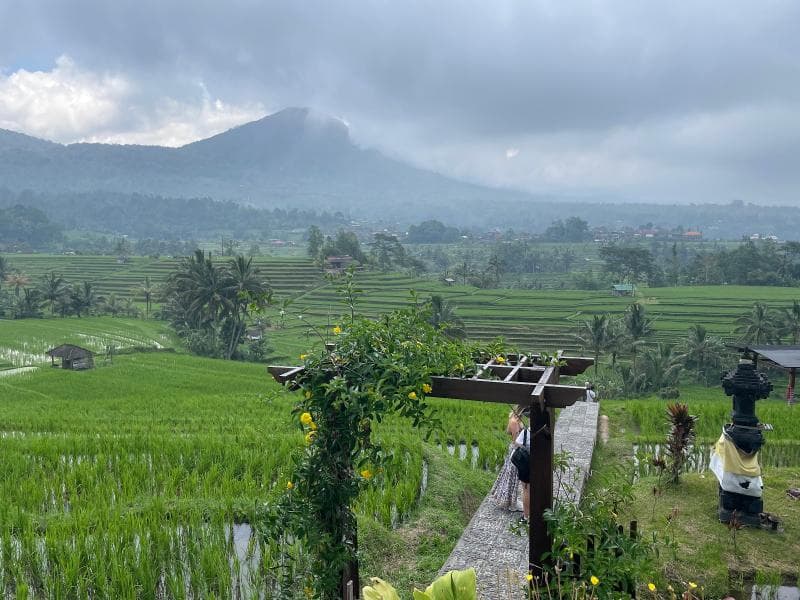
Discover the stunning Scenic Roads of Jatiluwih Rice Terraces in Bali, Indonesia, a UNESCO World Heritage site showcasing ancient Subak irrigation and breathtaking landscapes.
Overview
Nestled in the heart of Bali's central highlands, the Jatiluwih Rice Terraces offer a breathtaking panorama of emerald-green rice paddies cascading across undulating hillsides. This expansive agricultural landscape, recognized by UNESCO as a World Cultural Heritage site, is not merely a sight to behold but an immersive experience. While the entire region is a visual feast, the paths and roads winding through and around these terraces, often referred to as the 'Scenic Roads,' provide an intimate journey into Bali's enduring natural beauty and rich cultural heritage. Covering over 600 hectares, Jatiluwih presents a serene and authentic glimpse into traditional Balinese farming life, far removed from the island's bustling tourist centers.
History & Cultural Background
The history of Jatiluwih is deeply interwoven with Bali's ancient agrarian traditions, particularly the ingenious 'Subak' irrigation system. Dating back to the 9th century, the Subak is a democratic, self-governing water management system that reflects the Balinese philosophical principle of 'Tri Hita Karana' – harmony among God, humans, and nature. This complex network of canals and weirs ensures equitable water distribution to the rice fields, guided by spiritual rituals performed at water temples. The name 'Jatiluwih' itself is said to mean 'true beauty' or 'excellent charm,' a fitting description for a place where human endeavor and nature conspire to create such a magnificent landscape. In June 2012, UNESCO formally inscribed the Jatiluwih Rice Terraces, along with other elements of Bali's cultural landscape, as a World Cultural Heritage site, acknowledging its outstanding universal value.
What Makes It Special
What sets Jatiluwih apart is its sheer scale, tranquil atmosphere, and the profound sense of authenticity it offers. Unlike more commercialized rice terraces found elsewhere on the island, Jatiluwih sprawls across vast stretches of land, providing an unparalleled sense of openness and serenity. The terraces are meticulously maintained by local farmers, their daily rhythms echoing centuries-old practices. The dramatic backdrop of Mount Batukaru, Bali's second-highest volcano, further enhances the picturesque scenery, making every vista a potential postcard. Visitors here are not just observing a landscape; they are stepping into a living, working agricultural heartland, where cultural traditions continue to thrive in harmony with the environment. It is a place that invites contemplation and appreciation for the delicate balance between humanity and nature.
Stories, Fun Facts & Local Details
The name 'Jatiluwih' carries a rich local lore, with some stories suggesting it translates to 'village with goodness' or 'strong spiritual significance.' Another fascinating tale posits that the area was once a burial ground for Jatayu, a mythological bird-like demigod, further emphasizing the sacred connection locals feel towards this land. The terraces cultivate three main types of rice: white, brown, and black. While white rice is the staple, brown rice is valued for its nutritional content, and black rice holds special significance, often used in traditional ceremonies and local sweets. Beyond the rice, the region also features various plantations, contributing to its diverse agricultural character. The local community's adherence to Balinese traditions and culture adds an enriching layer to the visitor experience, with the possibility of witnessing traditional farming methods or even local ceremonies.
Visitor Perspective
Exploring the 'Scenic Roads' of Jatiluwih is an experience that caters to a range of preferences. For those seeking active engagement, five self-guided trekking trails, ranging from 1.5 to 7 kilometers, wind through the paddies, offering varying levels of challenge and perspective. These paths, sometimes color-coded, allow visitors to immerse themselves fully in the verdant landscape, getting up close to the rice plants and irrigation channels. Cycling tours are also a popular way to traverse the area, offering a refreshing way to breathe in the mountain air and cover more ground. The cooler temperatures at this altitude (700 meters above sea level) provide a pleasant escape from the coastal heat. The best time to experience these scenic routes is typically early morning, between 8 AM and 10 AM, when the light is soft, the air is cool, and the crowds are minimal. This period also offers excellent photographic opportunities as the sun casts a golden glow over the terraces. Visiting between February and April, after the rainy season, ensures the rice fields are at their most vibrant green. Regardless of how one chooses to explore, the journey through Jatiluwih's scenic pathways is a captivating blend of natural beauty, cultural insight, and serene contemplation.
Coordinates: 115.1081, -8.356218
View on Google Maps💬 How Travelers Describe This Place
Based on community votes
Must See
951Beautiful
491Unique
414Photogenic
310Interesting
277
Traveler Stories
Discover memorable experiences shared by travelers who have visited this place.
No traveler stories yet.
Be the first traveler to share what made this place memorable.

Tour
By
Spot
Discover amazing places around the world. Your journey starts here.
Explore
© 2026 TourBySpot. All rights reserved.