Trekking Trails
Bali, Indonesia
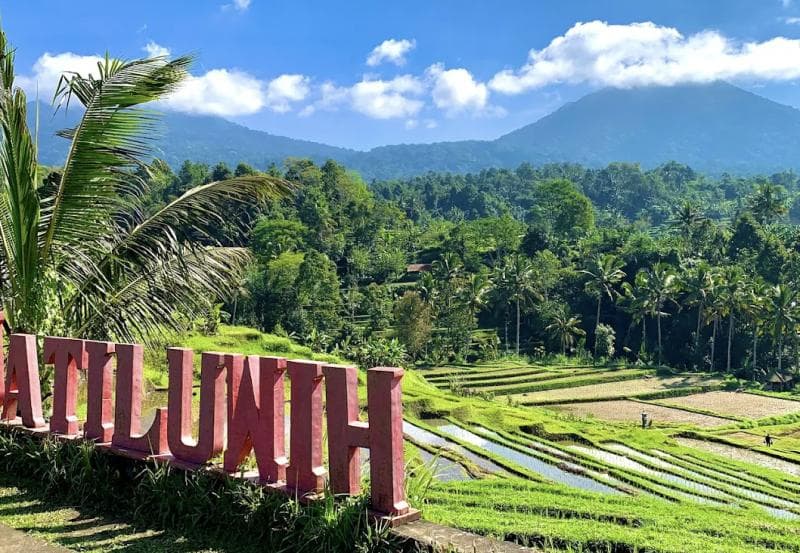
Discover the serene Trekking Trails of Jatiluwih Rice Terraces in Bali, Indonesia. Explore UNESCO-listed Subak landscapes, ancient traditions, and stunning views.
Overview
Nestled in the heart of Bali's central highlands, the Trekking Trails within the Jatiluwih Rice Terraces offer an unparalleled journey into a living landscape. This vast expanse, a UNESCO World Heritage site since 2012, unfolds across the slopes of Mount Batukaru in the Tabanan Regency, presenting a breathtaking panorama of emerald-green paddies. The name 'Jatiluwih' itself, derived from 'Jati' meaning 'true' or 'real' and 'Luwih' meaning 'good' or 'excellent', perfectly encapsulates the authentic beauty and significance of this area. Far from the island's bustling tourist hubs, these trails invite you to immerse yourself in the serene rhythm of Balinese rural life, where nature's grandeur meets centuries-old agricultural ingenuity.
As you traverse the well-maintained paths, you'll witness the harmonious interaction between the local community and their environment. The trekking experience here is more than just a walk; it's an opportunity to connect with a landscape that is both a natural wonder and a testament to profound cultural heritage. The trails wind through layers of terraced rice fields, offering varying lengths and difficulties to suit every explorer, from a leisurely stroll to a more immersive hike. It is a place where every turn reveals a picturesque vista, inviting contemplation and appreciation for Bali's timeless traditions.
History & Cultural Background
The history of the Jatiluwih Rice Terraces is deeply intertwined with the ancient Balinese Subak irrigation system, a masterpiece of water management dating back to the 9th century. This intricate network of canals, tunnels, and weirs distributes water from mountain springs to the rice fields, a practice that has sustained life and culture here for over 500 years. Subak is not merely an engineering marvel; it's a holistic philosophy known as 'Tri Hita Karana', which emphasizes harmony among humans, nature, and the divine.
Central to this system are the water temples, such as Pura Ulun Danu Beratan, which govern the distribution of water and serve as sites for rituals dedicated to Dewi Sri, the Hindu goddess of rice and fertility. Farmers, organized into cooperative groups, collectively make decisions about planting schedules and water allocation, ensuring fairness and community unity. This profound spiritual and communal approach to agriculture is why UNESCO recognized Jatiluwih as part of the 'Cultural Landscape of Bali Province' in 2012, highlighting its importance in preserving traditional farming methods and ecological balance.
What Makes It Special
What truly sets the Jatiluwih Rice Terraces apart is their extraordinary scale and authenticity. Unlike some other rice terraces on the island, Jatiluwih offers a much more expansive and less crowded experience, providing a peaceful retreat where the primary activity is genuine farming. The terraces span over 600 hectares, creating a vast, undulating landscape that captivates the eye. The stunning panoramic views stretch across endless layers of rice fields, with the majestic Mount Batukaru often serving as a dramatic backdrop.
The farmers in Jatiluwih continue to employ traditional, organic farming practices, shunning chemical fertilizers and pesticides. This commitment to sustainable agriculture not only preserves the environment but also results in a unique long-grain red rice variety, predominantly grown and harvested here. The meticulously sculpted terraces themselves are a work of art, a living testament to human endurance and spiritual connection to the land. This blend of natural beauty, cultural depth, and undisturbed agricultural tradition makes Jatiluwih a truly special destination.
Stories, Fun Facts & Local Details
The very name 'Jatiluwih' speaks volumes, meaning 'truly beautiful' or 'truly excellent', reflecting the profound respect and admiration the locals hold for their land. A unique aspect of farming here is the cultivation of a distinct red rice, which is not only a staple for the community but also highly valued for its quality, with some even exported internationally. Walking through the fields, it's common to see local farmers continuing their work using age-old methods, a living exhibition of ancestral wisdom passed down through generations.
A remarkable recent accolade for Jatiluwih came in 2024 when it was designated one of the 'World's Best Villages' by the United Nations Tourism (UN Tourism), recognizing its commitment to preserving cultural heritage, practicing sustainability, and contributing to community development. This honor underscores the global importance of the Subak system and the Tri Hita Karana philosophy that guides it. Festivals and ceremonies, such as Metekapan (marking field opening) and Ngusaba (tribute to water deities), are integral to the agricultural cycle, strengthening the community's bond with the land and the divine.
Visitor Perspective
Exploring the Trekking Trails of Jatiluwih is an immersive experience designed for connection and tranquility. Visitors can choose from several marked routes, often color-coded, ranging in length and duration:
- Red Line: A shorter track, typically 1.5 km, taking around 30-45 minutes. Ideal for a quick, scenic stroll.
- Purple Line: A medium track of about 2 km, completed in 1 to 1.5 hours.
- Yellow Line: Another medium option, approximately 2.3 km, taking 1 to 2 hours.
- Blue Line: A longer trail, roughly 3.1 km, that can take 1.5 to 2 hours.
- White Line: The longest route, extending to about 5.5 km, perfect for those seeking a more extensive hike or even cycling, lasting 3 to 4 hours.
These trails vary from paved paths to narrow dirt tracks, offering diverse perspectives of the paddies and the sounds of running water. The best time to visit is during the dry season (April to October), especially between May and July when the rice fields are at their most lush and green before harvest. Arriving early in the morning is recommended to enjoy cooler temperatures, fewer crowds, and the magical golden light filtering over the terraces. Comfortable shoes, sun protection, and a camera are essential for fully appreciating this magnificent UNESCO World Heritage site.
Coordinates: 115.1081, -8.356218
View on Google Maps💬 How Travelers Describe This Place
Based on community votes
Must See
950Beautiful
287Photogenic
255Unique
231Interesting
86
Traveler Stories
Discover memorable experiences shared by travelers who have visited this place.
No traveler stories yet.
Be the first traveler to share what made this place memorable.

Tour
By
Spot
Discover amazing places around the world. Your journey starts here.
Explore
© 2026 TourBySpot. All rights reserved.