Main Terrace Viewpoint
Bali, Indonesia
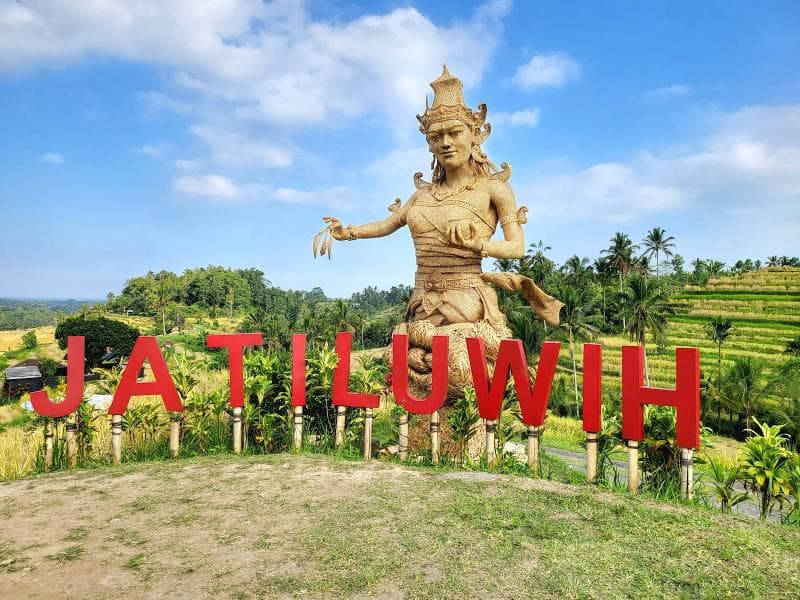
Discover Jatiluwih Rice Terraces' Main Terrace Viewpoint in Bali, Indonesia, a UNESCO site showcasing ancient Subak irrigation and stunning landscapes.
Overview
Perched high in the serene highlands of Bali, Indonesia, the Main Terrace Viewpoint of the Jatiluwih Rice Terraces offers an unparalleled vista into a living masterpiece. This expansive landscape, recognized as a UNESCO World Heritage site in 2012, is not merely a collection of rice paddies; it is a profound testament to centuries of harmonious interaction between humanity and nature. Unlike more compact rice fields elsewhere on the island, Jatiluwih spans over 600 hectares, presenting a vast, undulating canvas of emerald green that cascades down the slopes of Mount Batukaru. The name 'Jatiluwih' itself means 'truly beautiful' or 'excellent', a descriptor that visitors quickly understand as they gaze upon the seemingly endless terraces. The primary viewpoints within Jatiluwih provide a sweeping panorama, allowing travelers to absorb the sheer scale and intricate beauty of this ancient agricultural marvel. Here, the cool mountain air and the quiet rustling of rice stalks create an atmosphere of profound tranquility, inviting a deeper appreciation for Bali's natural and cultural heritage.
History & Cultural Background
The history of the Jatiluwih Rice Terraces is inextricably linked to Bali's unique Subak irrigation system, a traditional method of water management that dates back to the 9th century, with some sources tracing it to the 11th century. This sophisticated and democratic system is far more than just a means to channel water; it is a manifestation of the Balinese philosophical concept of 'Tri Hita Karana', which emphasizes harmony among God, humans, and nature. Water, considered a divine gift, flows from mountain springs and sacred lakes, managed cooperatively by farmer groups and distributed equitably through an intricate network of canals and tunnels. Water temples, dedicated to Dewi Sri, the Hindu goddess of rice and fertility, play a central role, acting as both spiritual centers and administrative hubs for the Subak communities. Rituals and ceremonies, such as 'Metekapan' for field opening and 'Ngusaba' to honor the water deity, are integral to the agricultural cycle, reinforcing the community's spiritual connection to the land and ensuring sustainable practices. This ancient wisdom and spiritual reverence for nature are precisely why UNESCO recognized Jatiluwih and the broader Subak system as a World Heritage site.
What Makes It Special
What truly sets the Main Terrace Viewpoint at Jatiluwih apart is its immense scale and unwavering authenticity. While other rice terraces in Bali, like Tegalalang, are famous, Jatiluwih offers a far vaster and more peaceful experience, largely unmarred by commercialization. Covering over 600 hectares, the terraces stretch as far as the eye can see, creating an immersive landscape that feels like stepping into a living postcard. Here, the focus remains firmly on agriculture, with local farmers continuing to employ traditional cultivation techniques, often without chemical fertilizers, to grow the area's distinctive red rice. This commitment to organic farming and traditional methods preserves not only the ecological balance but also the rich cultural heritage. The elevation of about 700 meters above sea level contributes to cooler temperatures and clearer air, enhancing the panoramic views and providing a refreshing environment for exploration. It is a place where human ingenuity and natural beauty converge in perfect harmony, offering a genuine glimpse into Bali's enduring agricultural traditions.
Stories, Fun Facts & Local Details
The name 'Jatiluwih' is a blend of Balinese words: 'jati' meaning 'real' or 'true', and 'luwih' meaning 'beautiful' or 'excellent', perfectly encapsulating the stunning reality of the landscape. A fascinating aspect of Jatiluwih is its commitment to cultivating indigenous Balinese red rice, a staple crop that has been grown here for generations. This red rice is known for its unique flavor and nutritional value, and its presence underscores the area's dedication to preserving traditional farming practices. The Subak system's governance by village cooperatives, rather than by kings, highlights a deep-rooted democratic spirit among the farming communities. Decisions regarding water allocation and planting schedules are made collectively, ensuring fairness and community unity, a direct application of the 'Pawongan' aspect of Tri Hita Karana – harmony among people. Farmers actively participate in temple rituals, giving thanks for the harvest and praying for continued fertility, embodying the 'Parahyangan' aspect – harmony with God. The 'Palemahan' aspect, harmony with nature, is evident in the sustainable design of the terraces themselves, which perfectly follow natural contours and facilitate ecological balance. Visiting during the planting or harvest seasons can offer unique insights, with the fields appearing as shimmering water mirrors after planting, or golden yellow just before harvest.
Visitor Perspective
From the Main Terrace Viewpoint, visitors are invited to embark on a journey of discovery, whether it's a leisurely stroll or a more extensive trek through the rice paddies. Well-maintained trekking paths, often color-coded, range from short 1.5 km routes to longer 5.5 km excursions, allowing for varied levels of exploration. The viewpoint itself, often situated near panoramic restaurants and information centers, serves as an ideal starting point to appreciate the vastness before descending into the fields. Unlike busier tourist spots, Jatiluwih offers a serene environment where one can truly connect with nature and observe the daily life of local farmers. The cool mountain air provides a welcome respite, making walks pleasant throughout the day, though early mornings are recommended for the best light, fewer crowds, and cooler temperatures. As you wander, you might encounter farmers tending their crops with traditional tools, a humbling experience that underscores the living, working nature of this UNESCO site. The experience is not just about witnessing beauty; it's about understanding a centuries-old way of life, sustained by a profound philosophy of balance and respect.
Coordinates: 115.1081, -8.356218
View on Google Maps💬 How Travelers Describe This Place
Based on community votes
Beautiful
791Photogenic
613Unique
514Must See
457Interesting
207
Traveler Stories
Discover memorable experiences shared by travelers who have visited this place.
No traveler stories yet.
Be the first traveler to share what made this place memorable.

Tour
By
Spot
Discover amazing places around the world. Your journey starts here.
Explore
© 2026 TourBySpot. All rights reserved.