Village Areas
Bali, Indonesia
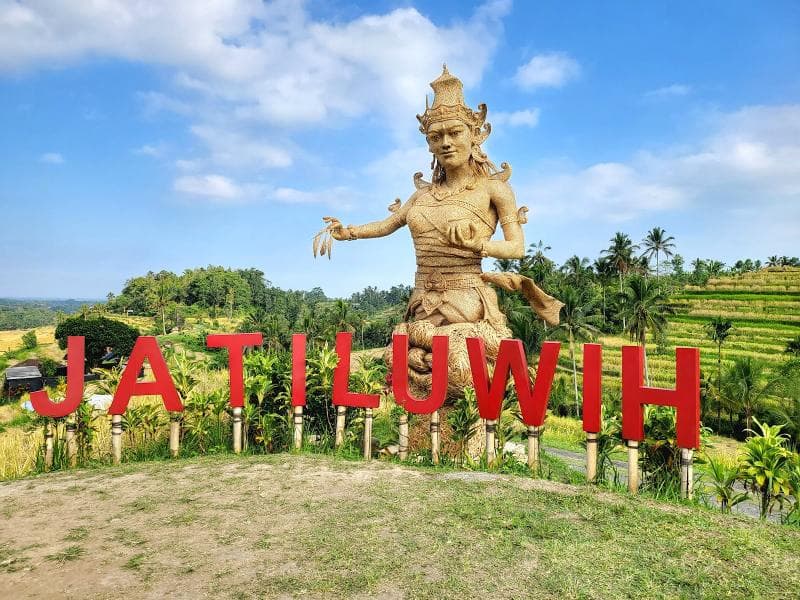
Discover Jatiluwih Rice Terraces in Bali, Indonesia – a UNESCO World Heritage site and UN Best Tourism Village. Explore its authentic culture, Subak system, and stunning landscapes.
Overview
Nestled in the highlands of Bali's Tabanan Regency, the Village Areas of Jatiluwih offer a breathtaking tapestry of terraced rice fields that unfurl across the landscape. Recognised globally for its immense beauty and profound cultural significance, Jatiluwih is more than just a scenic vista; it is a living monument to Balinese agricultural heritage. Since 2012, it has proudly held the title of a UNESCO World Cultural Heritage site, celebrating its unique 'Cultural Landscape'. Adding to its accolades, Jatiluwih was also crowned one of the UN Tourism's Best Tourism Villages in 2024. Situated approximately 700 metres above sea level, the village is blessed with cool, crisp mountain air and expansive panoramic views, providing a tranquil escape from the island's more bustling regions. This serene environment, characterized by its verdant paddies, offers a deep dive into an authentic Balinese way of life, intricately woven with the ancient Subak irrigation system.
History & Cultural Background
The name 'Jatiluwih' itself is steeped in local meaning, derived from Balinese words 'Jaton' or 'Jati', signifying 'charm', 'true', or 'authentic', and 'Luwih', meaning 'beautiful', 'valuable', or 'good'. This translates to a place of 'true beauty' or 'blessed goodness'. The village's roots trace back centuries, with its early inhabitants settling at the base of Mount Batukaru, seeking new lives and escaping conflicts. It was here that they meticulously developed agricultural lands and, crucially, the sophisticated Subak irrigation system, a testament to Balinese ingenuity that has flourished since at least the 9th century.
Central to the cultural fabric of Jatiluwih and the wider Balinese identity is the philosophical concept of 'Tri Hita Karana'. This profound Hindu philosophy emphasizes the achievement of harmony among three interconnected elements: a harmonious relationship with God (Parahyangan), with fellow human beings (Pawongan), and with nature (Palemahan). The Subak system is a living embodiment of this philosophy, guiding every decision in farming, water management, and community interactions. Historically, during the colonial era when many Balinese agricultural lands were re-purposed for plantations, the farmers of Jatiluwih steadfastly maintained their traditional methods, ensuring the preservation of their unique landscape and cultural practices.
What Makes It Special
What sets Jatiluwih apart is not just its stunning visual appeal, but the sheer scale and authenticity of its agricultural landscape. Covering over 600 hectares, the rice paddies present a seemingly endless expanse of green, a 'giant carpet woven by nature's hand' that stretches along the contours of Mount Batukaru. Unlike other well-known rice terraces that can be crowded, Jatiluwih offers a more serene and introspective experience, allowing visitors to truly connect with the rural essence of Bali.
The heart of its uniqueness lies in the 'Subak' system, an ancient and democratic cooperative water management network that has thrived for over a millennium. This system is a marvel of indigenous engineering and social organization, ensuring equitable water distribution across the vast fields and fostering a deep spiritual bond between the farmers and their land. Jatiluwih is also renowned for cultivating a distinctive red rice variety, a prized local product reflecting the rich volcanic soil and traditional farming techniques. The unbroken lineage of these traditional farming methods and the Subak system ultimately led to its deserved inscription as a UNESCO World Heritage Cultural Landscape, solidifying its status as a global treasure.
Stories, Fun Facts & Local Details
Beyond the primary meaning of its name, local lore suggests another enchanting origin for 'Jatiluwih'. Some stories speak of 'Jatayu', a mythical ancient bird whose sacred burial ground is believed to be within the village, with the name gradually evolving from 'Jaton Ayu' to the 'Jatiluwih' we know today.
The spiritual dimension of the Subak system is vividly expressed through the presence of water temples, such as Pura Luhur Batukaru and Pura Luhur Petali. These sacred sites are central to the agricultural cycle, where farmers conduct rituals and ceremonies to honour Dewi Sri, the revered goddess of fertility and rice, and Dewi Danu, the goddess of lakes and water sources. These ceremonies are not just religious acts; they are integral community events that strengthen social bonds and affirm the collective commitment to maintaining harmony with nature.
A fascinating traditional farming practice, 'Metekap', once commonly seen in Jatiluwih, involved plowing rice fields with the aid of cows or buffalos. While modern machinery has made this sight rarer, it remains a cherished part of the village's agricultural history. The villagers of Jatiluwih also demonstrate a forward-thinking approach to sustainable living, operating on a circular economic model where revenues generated from tourism are thoughtfully reinvested back into supporting agricultural fertilisers and funding essential religious ceremonies for local farmers, ensuring the continuity of their ancient heritage.
Visitor Perspective
For visitors, the Village Areas of Jatiluwih offer a unique opportunity to step away from the conventional tourist trails and immerse themselves in the genuine rhythm of Balinese agrarian life. The expansive landscape is perfect for serene activities such as leisurely walks along well-marked paths that wind through the paddies or cycling along peaceful rural routes.
Observing local farmers tending their fields, feeling the cool mountain breeze, and taking in the panoramic green vistas provide a deeply refreshing experience that rejuvenates the spirit. It is a place to witness firsthand the tangible manifestation of the 'Tri Hita Karana' philosophy – the harmonious balance between humanity, nature, and spirituality. The sheer scale and untouched authenticity of Jatiluwih leave many travellers with a profound sense of awe and a deeper understanding of Bali's rich cultural heart and its sustainable practices.
Coordinates: 115.1081, -8.356218
View on Google Maps💬 How Travelers Describe This Place
Based on community votes
Photogenic
886Unique
443Beautiful
310Must See
277Interesting
233
Traveler Stories
Discover memorable experiences shared by travelers who have visited this place.
No traveler stories yet.
Be the first traveler to share what made this place memorable.

Tour
By
Spot
Discover amazing places around the world. Your journey starts here.
Explore
© 2026 TourBySpot. All rights reserved.